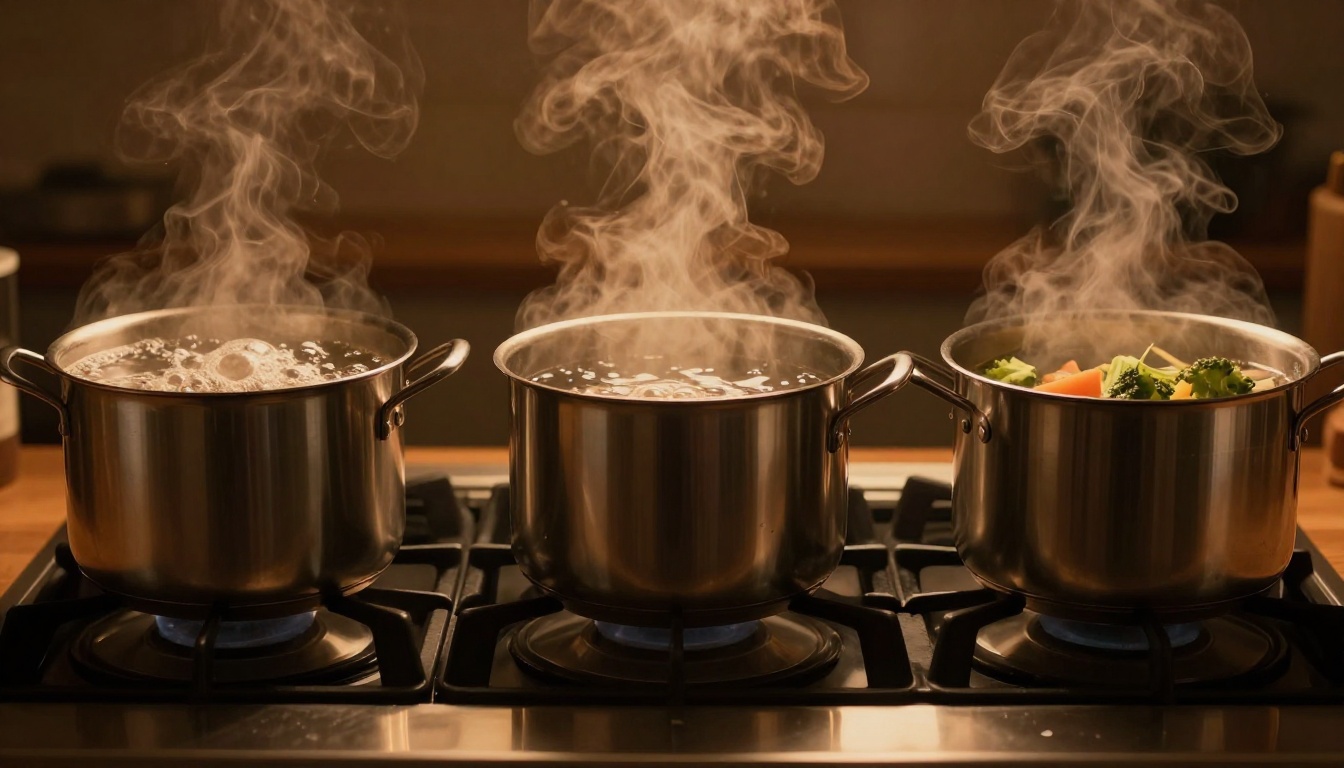
These three cooking methods can look almost the same on the stove, but they don’t act the same in the pot. A few degrees of heat can change texture, flavor, and even how much structure your food keeps.
The short version is simple: boiling is hot and fast, simmering is gentler and slower, and steaming cooks food with vapor instead of direct contact with water. Once you see the difference, picking the right method gets much easier.
What each cooking method means, and how to tell them apart
The biggest difference comes down to temperature and contact with water. Boiling happens at 212°F at sea level. Simmering usually sits around 180 to 205°F. Steaming cooks food with steam rising from boiling water below it, while the food itself stays out of the water.
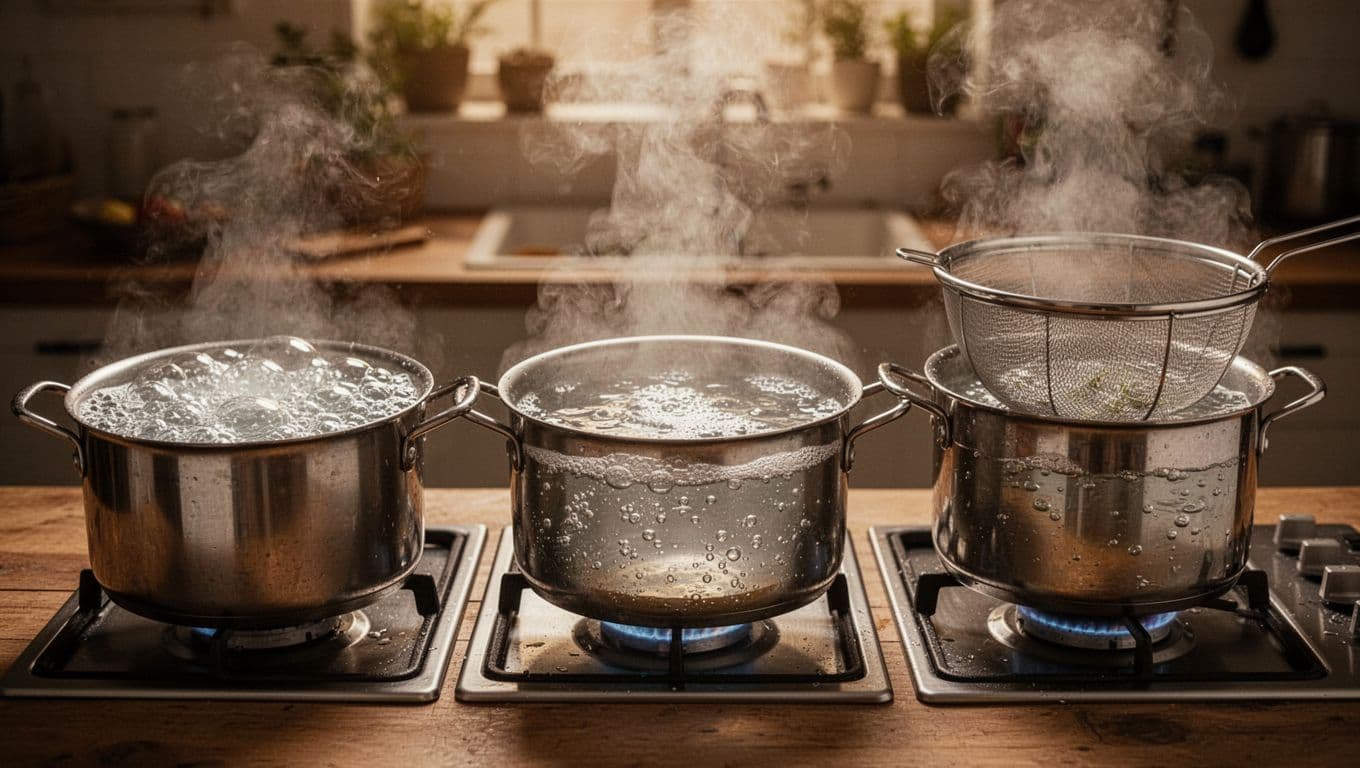
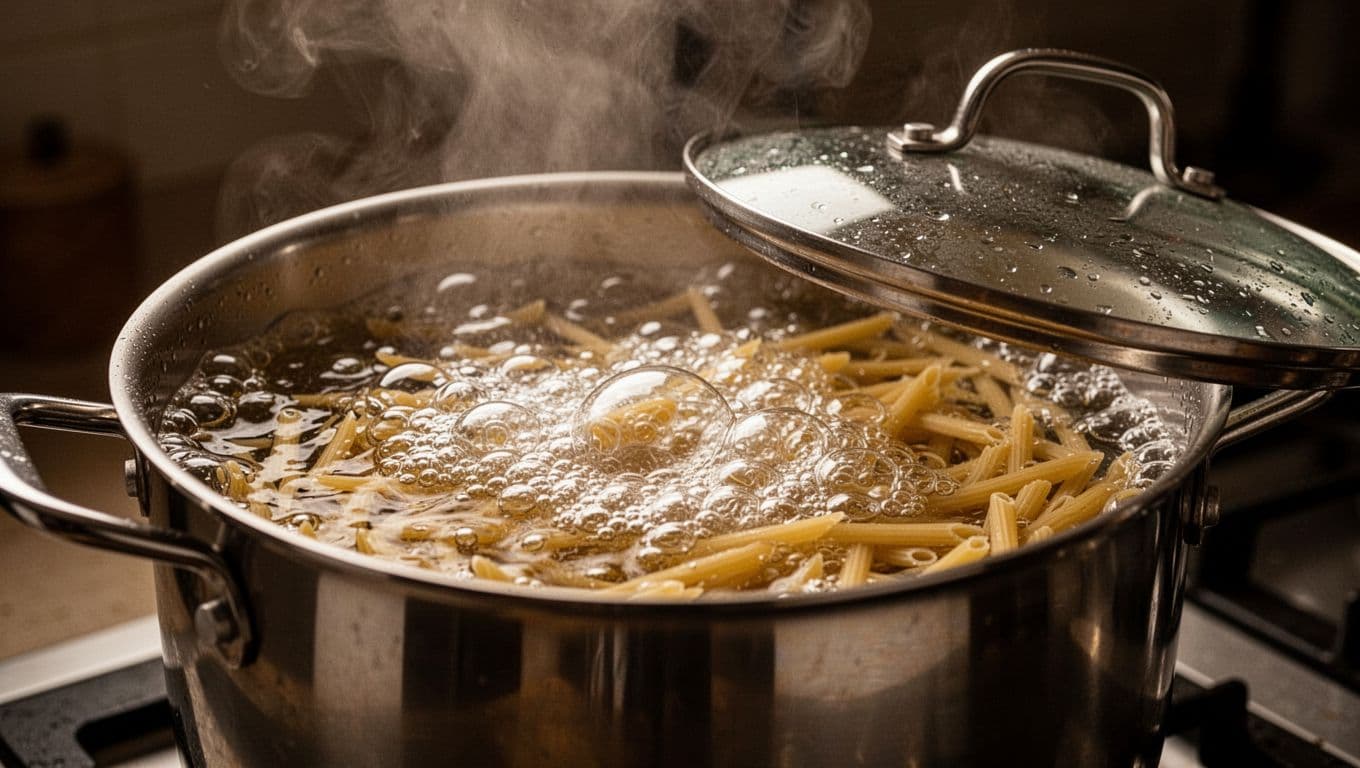
You can also tell them apart by sight. A rolling boil throws up large, active bubbles. A simmer has small bubbles that break the surface here and there. Steaming looks different because the water is below the food, and the steam does the work. If you want a quick visual refresher, Allrecipes’ boil vs. simmer guide shows the cues clearly.
If food sits in the water, you’re boiling or simmering. If it sits above the water, you’re steaming.
Boiling is fast, hot, and fully cooks food in water
Boiling means the liquid is at full heat and moving hard. That makes it great for speed. Pasta, potatoes, and eggs all do well here.
Still, boiling can be rough on delicate foods. Fish, soft vegetables, and dumplings may break apart or cook unevenly if the water churns too hard.
Simmering uses gentler heat for slower, steadier cooking
A simmer cooks more calmly. The liquid stays hot enough to cook food through, but it doesn’t batter the ingredients.
That’s why soups, beans, sauces, and braises often call for a simmer. The lower heat helps food soften without turning to mush.
Steaming cooks with moist heat, not direct contact with water
With steaming, the water boils below the food. The hot vapor rises and cooks what’s in the basket, rack, or insert.
Because the food doesn’t sit in water, it often keeps better shape, brighter color, and a fresher taste. That matters a lot for vegetables and seafood.
How boiling, simmering, and steaming change texture, flavor, and nutrition
How food turns out matters more than the technical label. Boiling softens food fast, but it can also pull flavor and water-soluble nutrients into the cooking liquid. Simmering builds flavor over time and keeps ingredients more intact. Steaming often gives the cleanest taste and the firmest bite.
When boiling can make food soft, watery, or overcooked
Boiling works best when speed is the goal. Pasta needs active water movement, and boiled eggs cook reliably when timed well. It also helps when you want to blanch green beans or broccoli for a minute or two.
The downside is narrow timing. Leave vegetables in too long, and they go dull, soft, and watery. Boil pasta too hard, and it can tear or turn gummy on the outside before the center is ready.
Why simmering is better for soups, stews, sauces, and tough cuts
Simmering gives flavors time to blend. Tomato sauce tastes rounder, broth gets deeper, and beans cook more evenly when the heat stays low and steady.
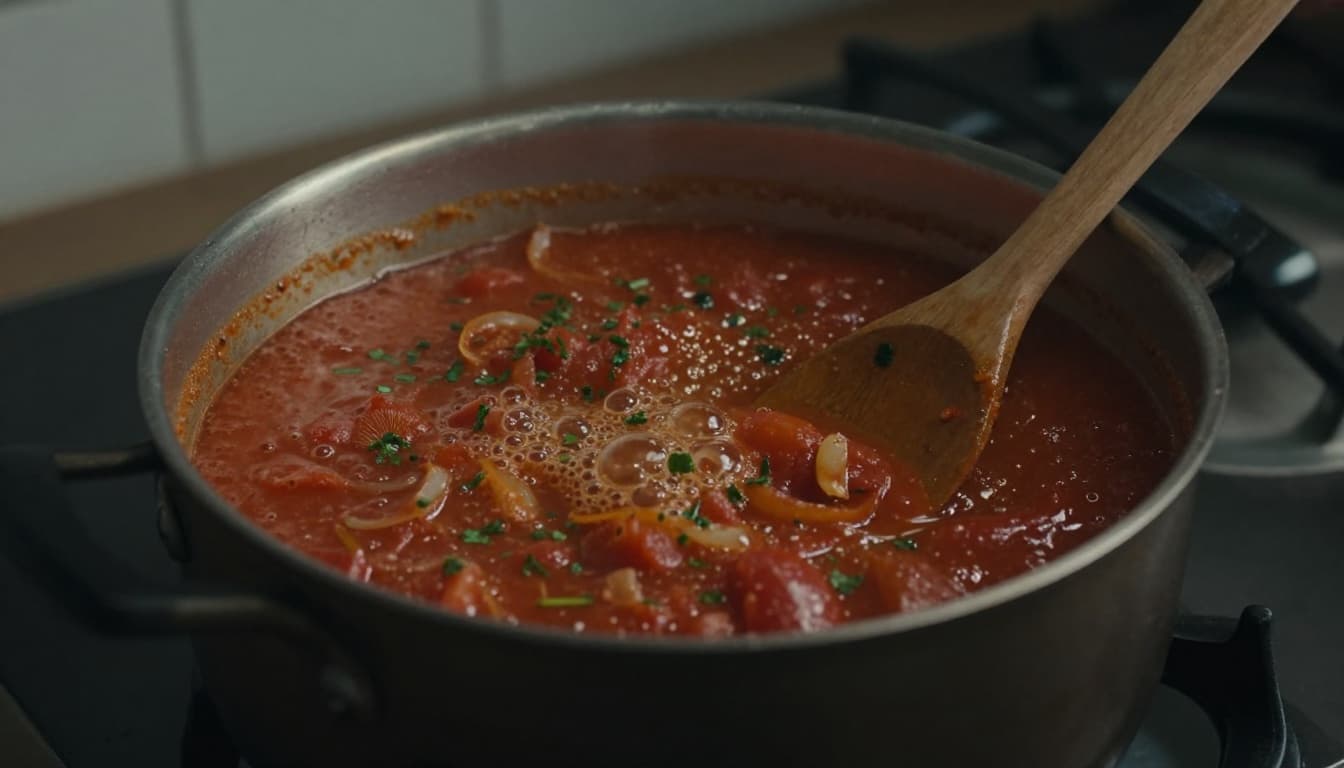
It also helps tougher foods relax instead of seize. That’s why chili, stew meat, lentils, and root vegetables usually improve at a simmer rather than a boil.
Why steaming is often the best choice for vegetables, seafood, and dumplings
Steaming is often the best pick when you want color, structure, and a lighter result. Broccoli stays brighter. Fish fillets stay tender. Dumplings cook through without soaking up extra water.
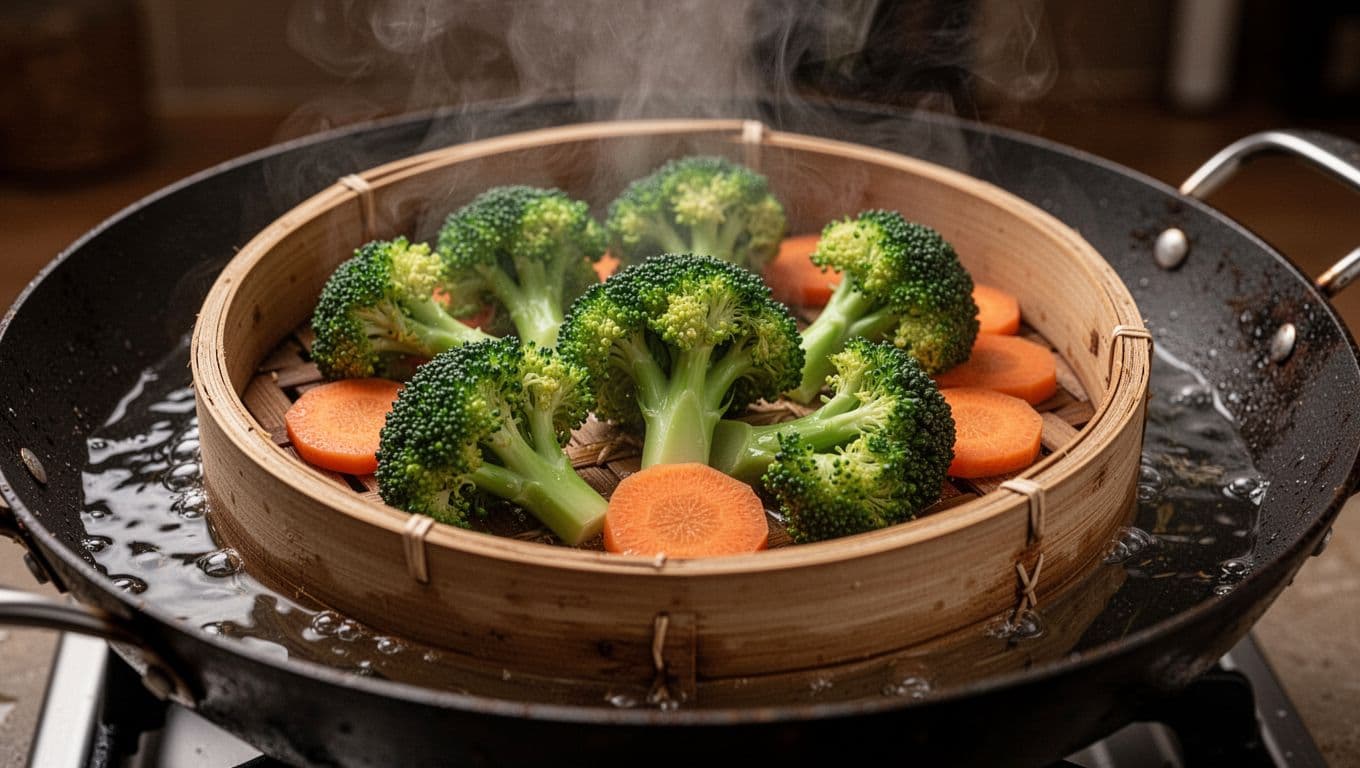
It’s also getting more attention in 2026. US home cooks are leaning into steam-based meal prep because it helps preserve texture and nutrients, and restaurants are talking about it too. Bon Appétit’s look at steaming’s comeback reflects that shift.
When to use each method in real cooking
A side-by-side view makes the choice easier:
| Food or dish | Best method | Why it works |
|---|---|---|
| Pasta | Boiling | Cooks quickly and evenly |
| Tomato sauce | Simmering | Builds flavor without scorching |
| Broccoli | Steaming | Keeps color and bite |
| Beans | Simmering | Softens gently |
| Fish fillets | Steaming | Protects delicate texture |
| Potatoes | Boiling | Fast and simple |
In short, pick the method based on the result you want, not habit.
Use boiling when speed matters most
Boiling is the move for pasta, boiled eggs, potatoes, and quick blanching. For blanching vegetables, cook for 1 to 2 minutes, then use an ice bath to stop the cooking.
Use simmering when food needs time to soften and develop flavor
Choose simmering for chili, broth, beans, soups, braised meats, and tomato sauce. Some dishes need 15 minutes. Others need hours. The point is steady heat, not drama in the pot.
Use steaming when you want a lighter result with less mess
Steaming works well for broccoli, green beans, shrimp, fish, and dumplings. Keep the food above 1 to 2 inches of boiling water, not in it, so steam can circulate.
Simple tips to get better results with every method
Boiling and simmering only need a pot, but steaming needs a basket, insert, rack, or bamboo steamer. A lid helps all three because it traps heat and keeps cooking steady. If you’re new to steam cooking, this steamer basket guide for 2026 gives practical setup ideas.
Watch for easy mistakes. Lower the heat after water reaches a boil if you need a simmer. Don’t crowd a steamer, or the food cooks unevenly. Also check the water level during steaming, because an empty pot can scorch fast.
A simple rule helps: boil for speed, simmer for flavor-building, steam for moisture and nutrient retention. That’s also why steam-forward meal prep and steam-simmer combos are showing up more in 2026 home kitchens.
Small heat changes can make a big difference. The right method depends on the food, and on what you want it to feel like when it hits the plate.
Start paying attention to the bubbles, the steam, and the texture. Once you do, boiling, simmering, and steaming won’t feel interchangeable anymore.