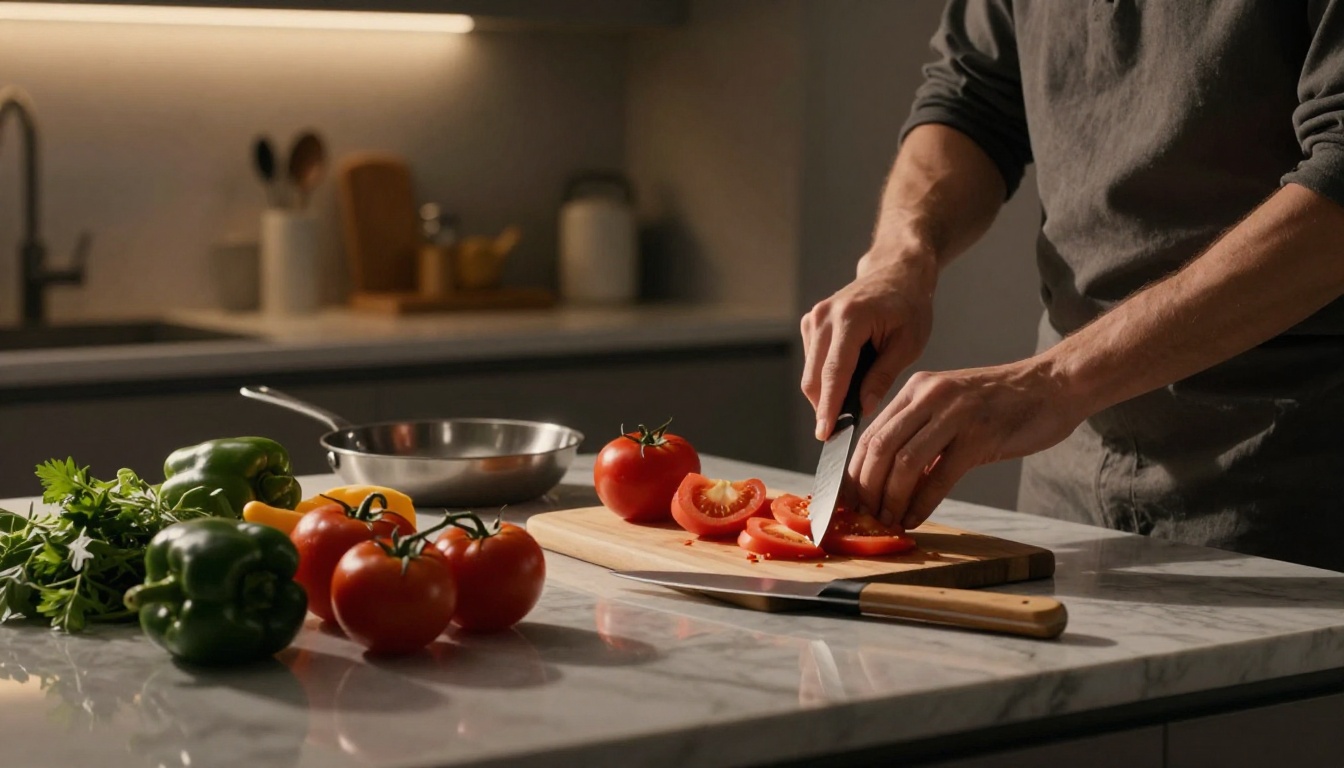
Most cooking mistakes are normal, and most are easy to fix. If your food turns out bland, soggy, burned, or uneven, that usually means a habit needs work, not that you’re bad at cooking.
Small changes help fast. Reading the recipe first, prepping ingredients, and using the right heat can calm the whole process. Once those habits click, cooking feels less stressful and your food starts tasting better.
Start strong before the stove is even on
Many kitchen problems begin before the pan heats up. Poor planning causes more trouble than lack of skill.
Not reading the full recipe before you begin
Skimming a recipe is like starting a road trip without checking the map. You might miss a rest time, a marinade, or the fact that the oven needs preheating.
Read the recipe all the way through once, then scan it again before you start. That second look often catches the step that saves dinner, like adding garlic later or holding back half the broth.
Skipping ingredient prep and trying to chop as you cook
Beginners often chop while the pan is already hot. Then onions cook too long, garlic burns, and stress takes over.
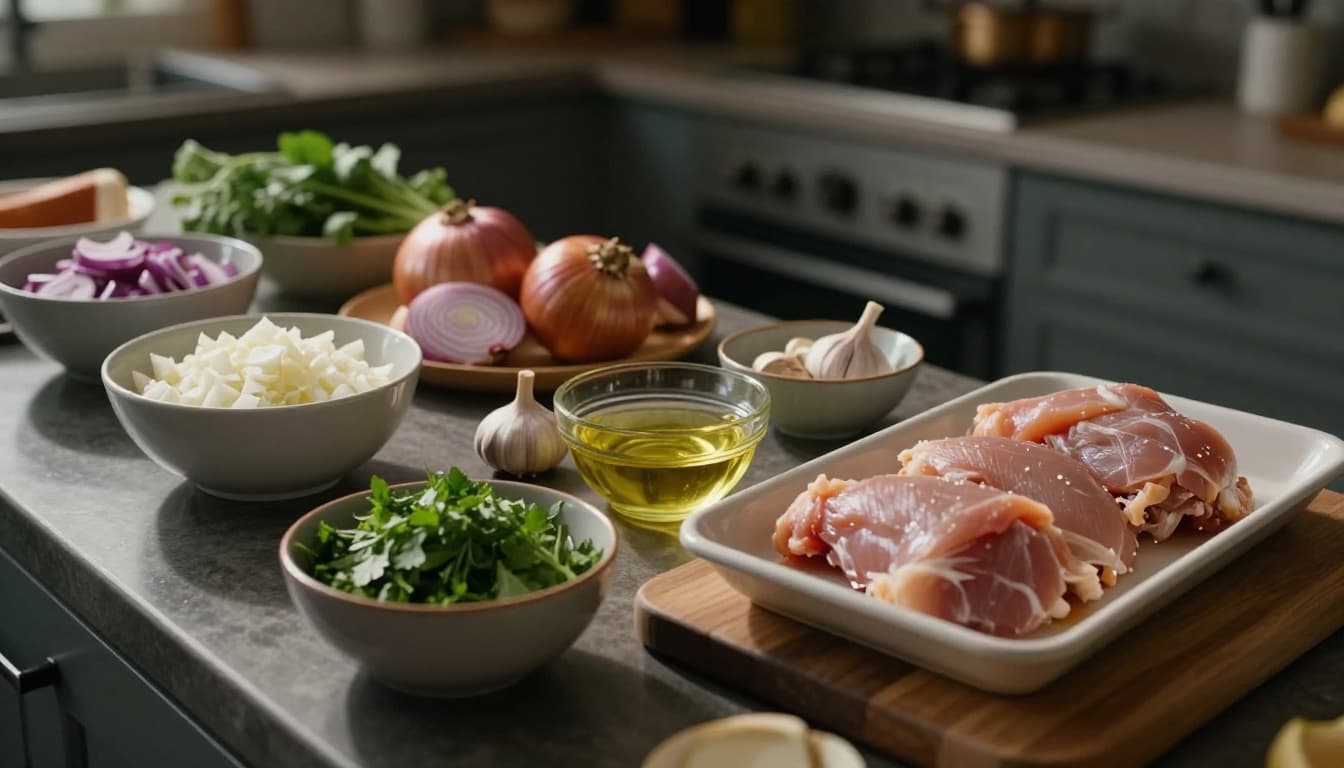
That’s why cooks use mise en place, which simply means getting ingredients ready first. Wash, chop, measure, and set everything out before cooking. It feels small, but it keeps you in control.
Measuring carelessly, especially when baking
Eyeballing works in some savory dishes. Baking is less forgiving because flour, liquid, and leavening need balance.
Use the right measuring cups and spoons, and level dry ingredients when needed. Too much salt or flour can throw off the whole result. If you want another beginner-friendly take on prep and measuring, this roundup of common cooking mistakes reinforces the same point.
Read the recipe twice, prep once, then cook calmly.
Heat and timing mistakes that ruin texture and flavor
Heat control is where many beginners stumble. A dish can go wrong even when the ingredients are fine.
Cooking in a pan that is not hot enough
A cool pan makes food steam instead of brown. That means pale chicken, soft vegetables, and weak flavor.
Give the pan time to preheat before adding oil or food. When the surface is ready, food releases better and develops color, which is where much of the flavor comes from.
Using the wrong heat level for the job
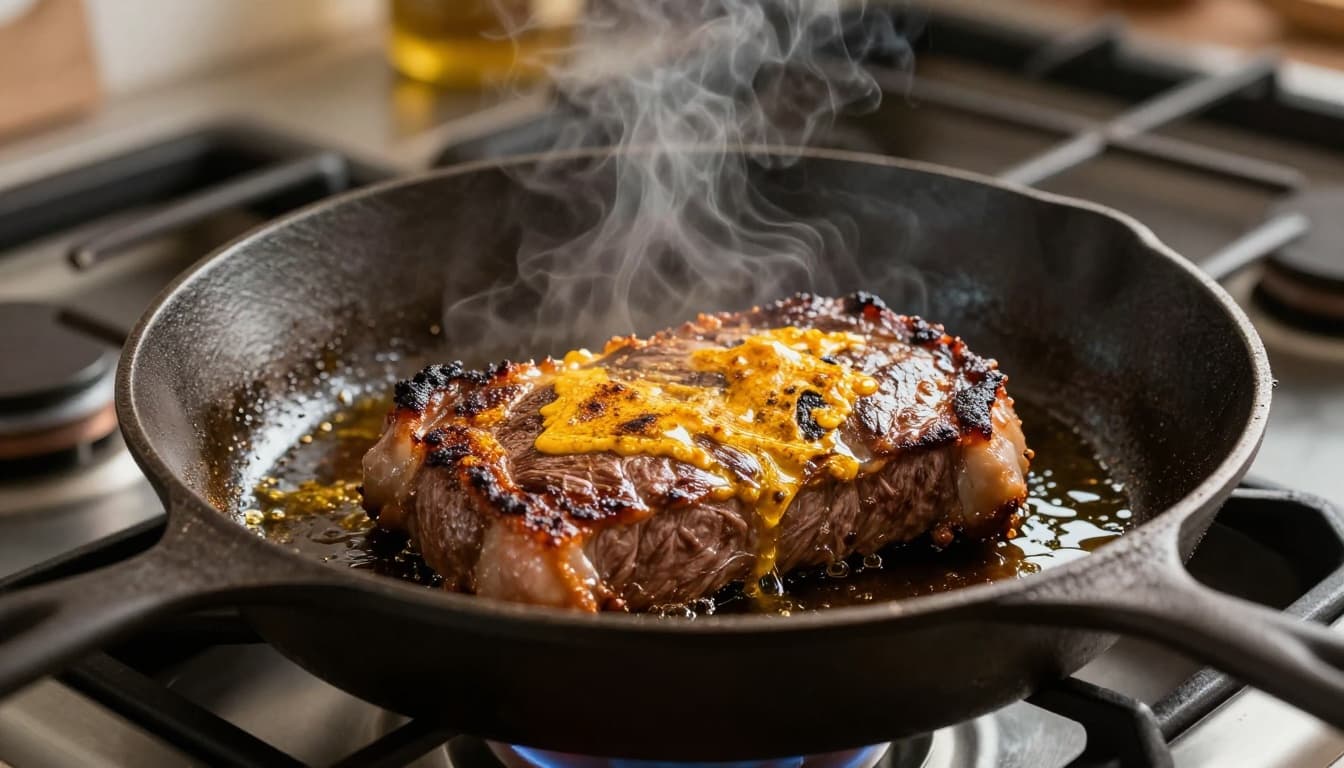
High heat has a purpose, but it’s not for everything. It works well for searing. Gentle heat works better for eggs, soups, and sauces.
If the heat is too high, the outside burns before the inside cooks. If it’s too low, food can turn greasy or dull. Recent beginner cooking advice also keeps coming back to this same issue, and these easy fixes for common cooking mistakes explain why heat level matters so much.
Boiling when you should be simmering
A boil looks wild and active. A simmer has small, steady bubbles.
That difference matters. Soups, sauces, beans, and braises often suffer when the heat is too aggressive. Instead of rich and tender, you get cloudy broth, dry meat, or broken sauce.
Adding ingredients at the wrong time
Order matters because ingredients cook at different speeds. Garlic needs far less time than onions. Fresh herbs need far less time than carrots.
Add garlic late enough to avoid bitterness. Save delicate herbs for the end if you want fresh flavor. This one habit can change a dish from flat to bright.
Simple pan habits that make food taste much better
You don’t need chef skills for better browning. You need a few solid pan habits.
Overcrowding the pan and trapping steam
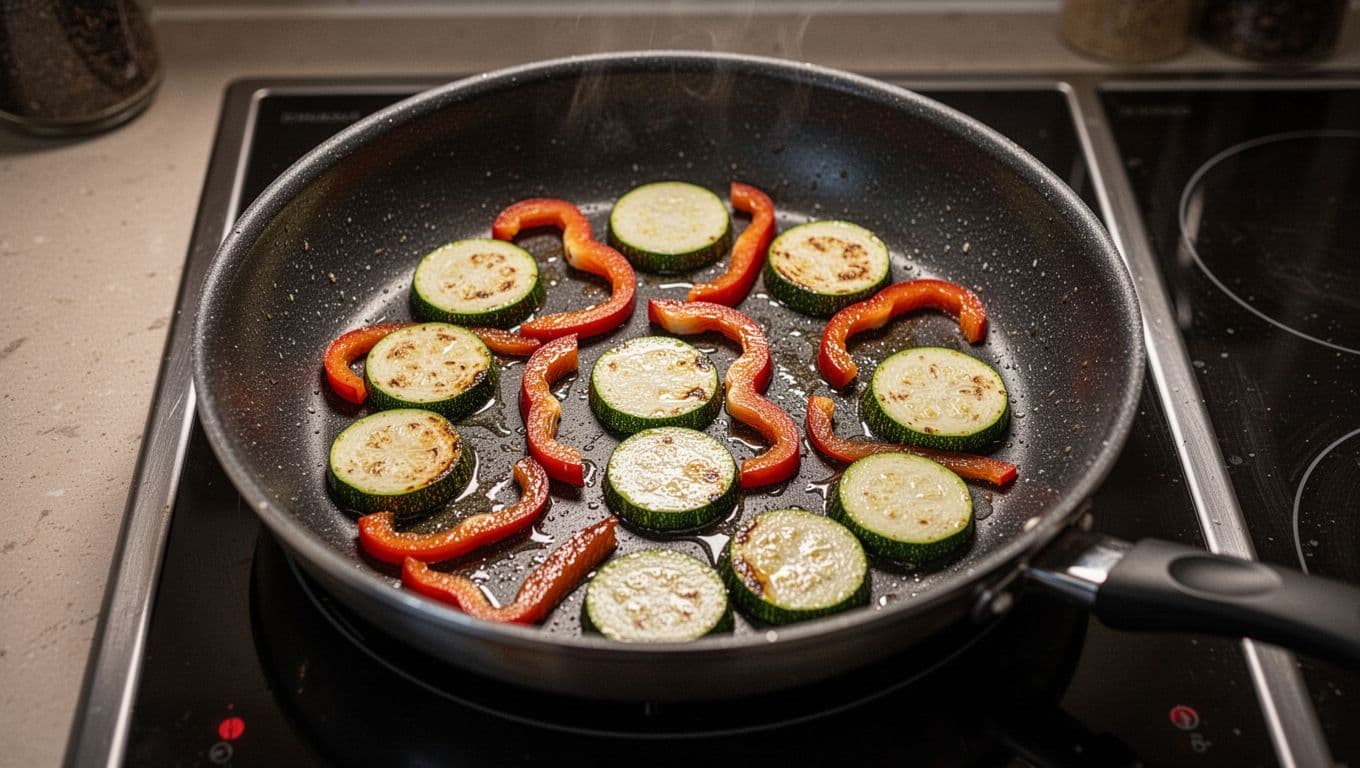
When too much food goes into one pan, the temperature drops fast. Moisture builds up, and instead of browning, the food steams.
That’s why vegetables go limp and meat turns gray. Leave space between pieces, or cook in batches. The extra few minutes pay you back with better color, texture, and taste.
Moving food around too much before it can brown
It’s tempting to poke, stir, and flip every few seconds. Most of the time, that slows browning down.
Let food sit long enough to form a crust. Then turn it. Think of it like toast, if you keep lifting the bread, it never gets there. Patience at the stove often tastes like confidence on the plate.
How to avoid undercooked, overcooked, and bland results
The last stretch of cooking matters as much as the start. This is where doneness and flavor come together.
Guessing when meat is done instead of checking the temperature
Color and juices can fool you. Chicken may look done outside and still be unsafe inside. Pork can stay juicy without being undercooked.
A food thermometer removes the guesswork. It’s one of the cheapest tools that improves results right away. Many beginner guides, including this overview of cooking mistakes beginners make, point to thermometer use as one of the fastest upgrades for home cooks.
Not tasting as you go and missing the chance to adjust
If you wait until the end to taste, fixes get harder. A soup may need salt, a squeeze of lemon, or a pinch of sugar, but you won’t know unless you check.
Taste sauces, grains, soups, and vegetables along the way. Small adjustments build balance. That’s often the difference between food that’s fine and food you want to make again.
Cooking mistakes happen to everyone, especially at the start. The good news is that better meals usually come from a few repeatable habits, not from talent or perfection.
Read the recipe fully, prep before the heat starts, give the pan space, and taste as you go. Those simple moves build confidence fast.
The next time dinner goes sideways, don’t treat it like proof you can’t cook. Treat it like feedback, then try again tomorrow.