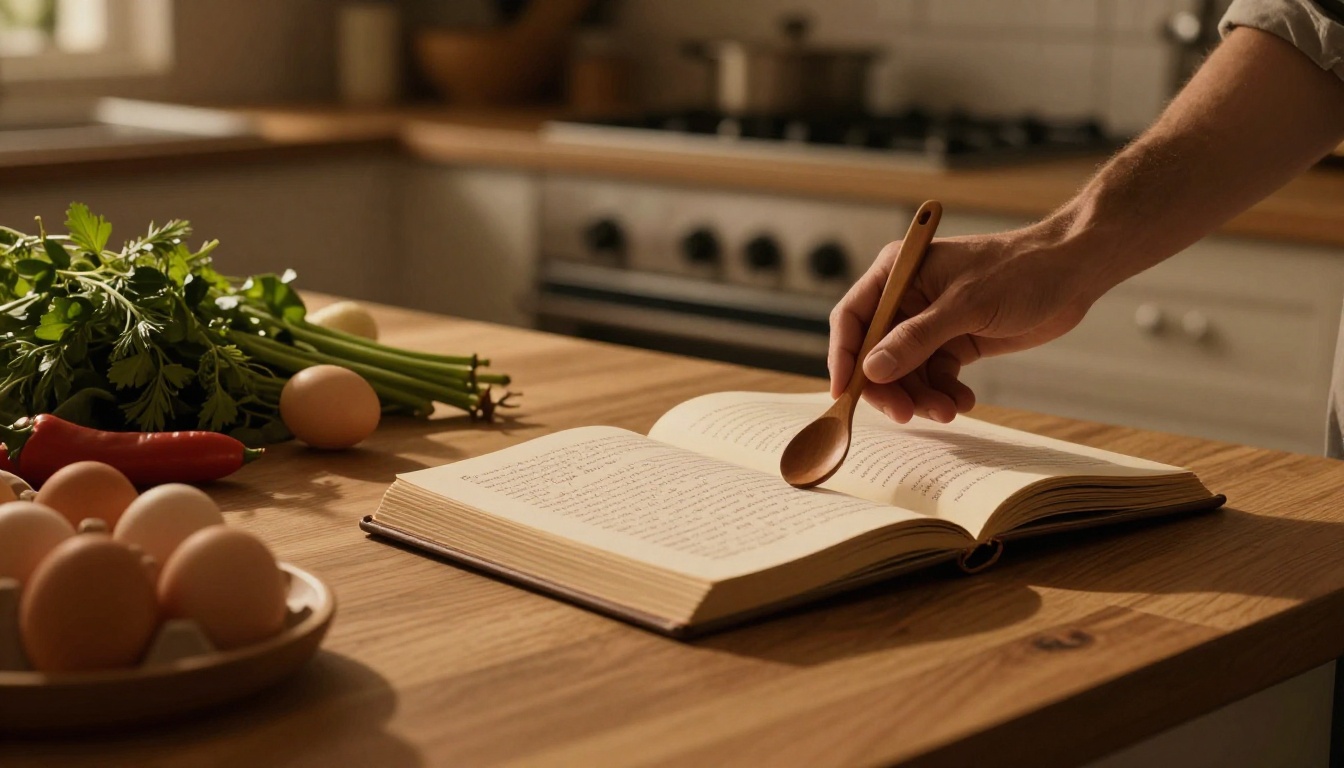
Plenty of cooking mistakes happen before the stove even turns on. You jump in, miss an ingredient, rush a step, and dinner suddenly feels harder than it should.
Learning how to read and follow a recipe step by step fixes that. It saves time, lowers stress, and helps your food come out the way the recipe writer meant it to. A recipe isn’t a riddle, it’s a map, and once you know how to read the map, cooking gets much easier.
Start by Reading the Full Recipe Before You Touch Anything
Most beginners read a recipe the way people read a text message, fast and halfway. That’s where trouble starts. Before you crack an egg or heat a pan, read the whole recipe from top to bottom. Then read it again.
That first pass gives you the big picture. You see where the dish is going, how long it takes, and whether it has any surprise steps. Maybe the dough needs to chill for an hour. Maybe the sauce simmers while the pasta cooks. If you don’t spot that early, the recipe can feel like it’s moving the goalposts.
Look for the key details at the top, servings, time, and tools
Start with the basic facts. Check the yield, prep time, cook time, and total time. A 25-minute stir-fry works on a busy weeknight. A four-hour braise doesn’t. That sounds obvious, but many kitchen headaches come from picking a recipe that doesn’t fit your schedule.
Also check the tools. Does the recipe need a sheet pan, blender, Dutch oven, muffin tin, or hand mixer? If you see that upfront, you can swap recipes before you’re standing there with chopped onions and no proper pan.
This quick scan also tells you whether the recipe fits your skill level. In March 2026, beginner cooks in the US are still leaning toward quick 30-minute meals, simple bowls, sheet-pan dinners, and easy spring dishes with asparagus, berries, and honey-garlic flavors. That’s a smart place to start because timing stays simple.
Read the steps once for the big picture, then again for the small details
On the second read, slow down. Now you’re hunting for details that can change the outcome. Look for oven temperatures, resting times, divided ingredients, and steps that happen at the same time.
If a recipe says an ingredient is “divided,” don’t dump it all in at once.
This second read also helps you catch small but important words. “Bring to room temperature” means plan ahead. “Stir occasionally” means don’t walk away. “Reserve 1 cup pasta water” means save it before draining. These details are easy to miss, yet they often decide whether a dish turns out smooth, dry, thick, or broken.
Understand the Ingredient List So You Do Not Make Easy Mistakes
A lot of recipe trouble starts in the ingredient list, not the instructions. If you misread the list, every step after that gets harder.
Take a minute to look at ingredient order and amounts. Recipes usually list ingredients in the order you’ll use them. That’s helpful because it gives you a preview of the flow. If onions, garlic, and oil appear first, the recipe probably starts on the stove. If flour, baking powder, and salt come early, you’re probably mixing dry ingredients first.
Know what the measurement words really mean
Small abbreviations can cause big messes. A teaspoon and a tablespoon are not close cousins. They’re more like a bike and a motorcycle. One wrong move can throw off salt, baking powder, spices, or vanilla fast.
Common abbreviations include tsp for teaspoon, Tbsp or T for tablespoon, oz for ounce, lb for pound, and c for cup. If those still trip you up, keep a quick reference nearby. This guide to cooking measurement abbreviations can help you read recipe shorthand with less guesswork.
When baking, measure carefully. In savory cooking, you often have room to adjust. In baking, the recipe is less forgiving, so words and amounts matter more.
Pay attention to how ingredients are written
Wording tells you what to do first. “1 cup chopped onion” means chop the onion, then measure one cup. “1 onion, chopped” means use one onion, then chop it. That small shift changes the amount.
The same goes for words like softened, melted, drained, packed, room temperature, and divided. If butter needs to be softened, don’t melt it. If beans should be drained, don’t pour in the can liquid unless the recipe says so. Read these words like road signs, not decoration.
Get Set Up Before Cooking So You Can Follow Each Step Smoothly
Once you understand the recipe, set up your space. This is where cooking starts to feel calm instead of chaotic. Professional cooks call this mise en place, which simply means having everything in its place before you begin. For a beginner-friendly explanation, see this guide to mise en place for home cooking.
Gather, measure, and prep everything before you start
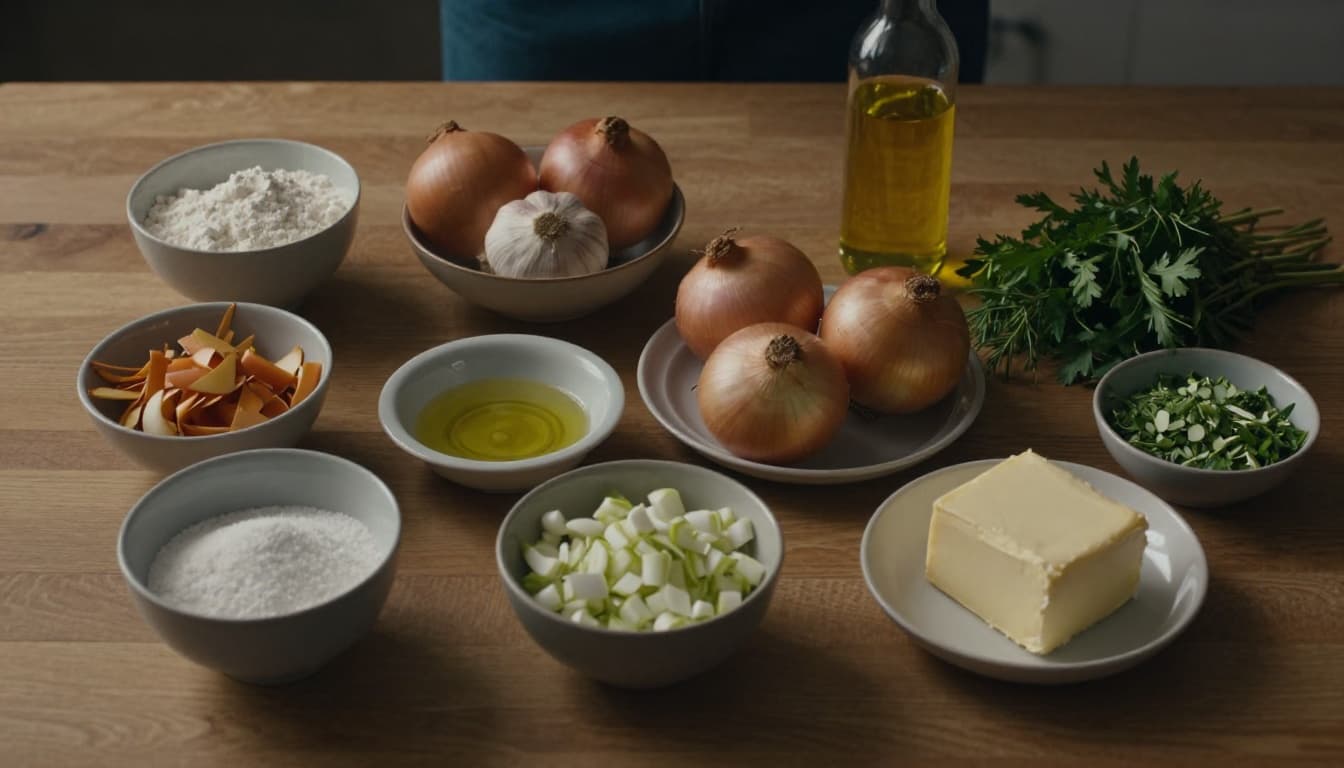
Pull out every ingredient first. Then wash produce, chop vegetables, trim meat, and measure what you can. If the recipe moves fast, this matters even more. Once a pan is hot, you won’t have time to hunt for soy sauce or mince garlic without risking burnt food.
Think of this as setting the table for the recipe itself. You’re making the next steps easy on purpose. Even a simple pasta dish runs better when the garlic is chopped, the cheese is grated, and the water is already boiling.
Preheat, choose the right tools, and clear your workspace
Preheat the oven early if you need it. Set out the pan, bowl, knife, spoon, and measuring tools before the first step starts. A clear counter helps your brain stay clear too.
Also check for allergies, expired items, and missing ingredients now, not halfway through. If you’re short on something, you still have time to switch recipes or make a safe swap. Clean-as-you-go helps too. A quick wipe between steps keeps clutter from piling up and makes the whole recipe feel lighter.
Follow the Recipe Step by Step Without Getting Lost
This is the part where people often panic, especially when two things need attention at once. The trick is simple, keep your place and don’t outrun the instructions.
Do the steps in order, unless the recipe clearly says otherwise
Recipes are written in sequence for a reason. One step often sets up the next. If you skip ahead, texture, flavor, and timing can all fall apart. This is especially true in baking, where mixing order changes how the final dish rises, sets, or browns.
In cooking, you may have a little more wiggle room. Still, don’t improvise unless you understand what the change will do. A sauce may need onions softened before liquid goes in. Chicken may need browning before simmering. That order builds flavor.
Slow down when you see cooking words you do not know
Guessing is risky. If a recipe says sauté, simmer, whisk, fold, boil, or preheat, know what that word means before you act on it.
Sauté means cook quickly in a little fat over fairly high heat. Simmer means gentle bubbles, not a rolling boil. Fold means combine gently so you don’t knock out air. Whisk means beat well, often to smooth or add air. If a term feels fuzzy, pause and check a reliable list of common cooking terms and definitions. A 30-second lookup can save the whole dish.
Use simple tricks to keep your place as you cook
A few small habits make recipes much easier to follow. Cross off steps on a printout. Keep the recipe open on a phone stand or tablet. Set timers for anything you can’t trust yourself to remember.
One of the best tricks is to read the next step before doing the current one. That gives you a head start. If step four says “add the broth and stir immediately,” you can have the broth ready before step three ends.
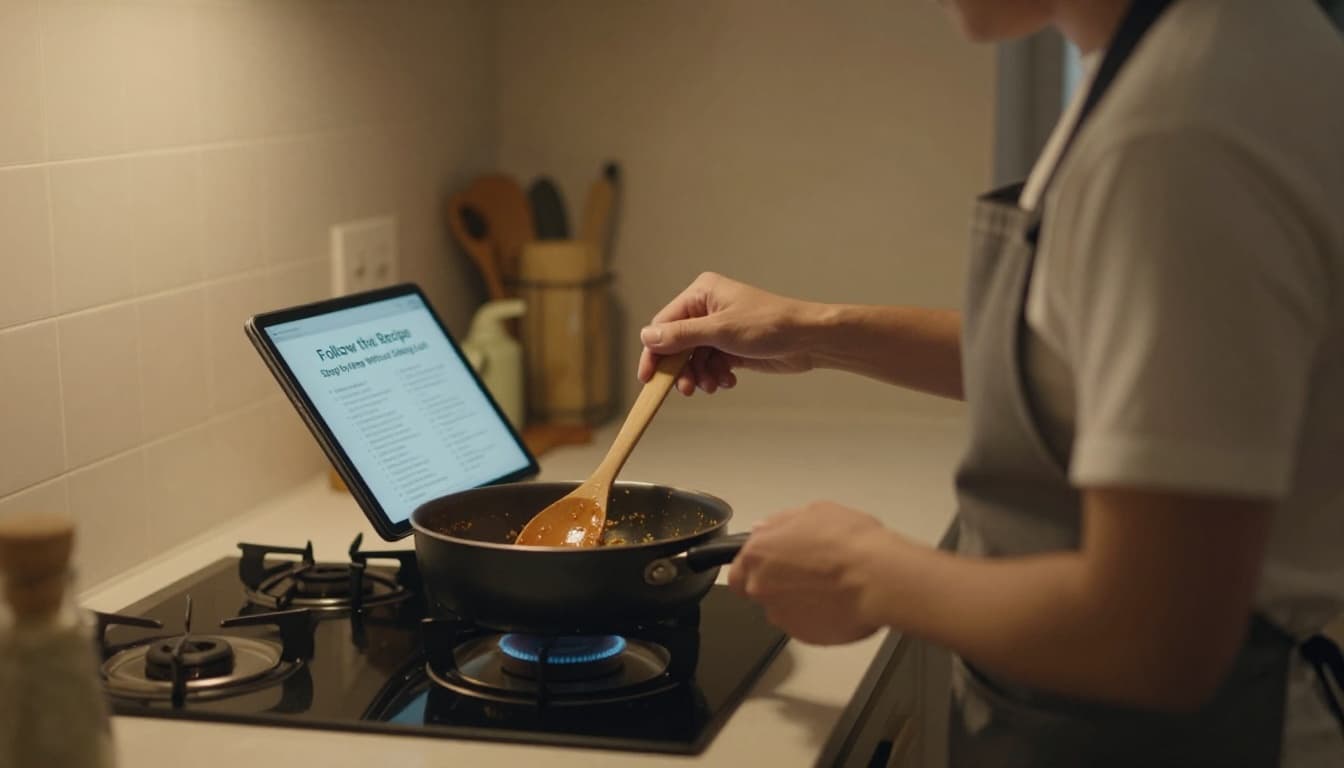
Cooking gets smoother when you give yourself less to remember. The recipe holds the plan, and your setup holds the rest.
Fix Small Problems and Build Confidence With Every Recipe
Even careful cooks make mistakes. You may forget an ingredient, overcook the onions a bit, or realize too late that you’re out of sour cream. That doesn’t mean dinner is ruined.
What to do when you are missing an ingredient or make a small mistake
First, don’t panic. Some missing items matter more than others. Garnishes, herbs, or one spice may be optional enough to skip. In baking, swaps are riskier. In soups, pasta, tacos, and stir-fries, you often have more room to adjust.
Use substitutions with common sense. Plain yogurt may replace sour cream in many dishes. Butter and oil can sometimes trade places, though texture may change. For broader help, this ingredient substitutions guide is useful when you’re stuck.
If you make a small mistake, pause and assess. Is the dish too salty? Add more unsalted base if possible. Too thick? Add a splash of liquid. Too thin? Simmer longer if the recipe allows. A small fix often works better than a full restart.
Choose easy recipes first and learn from each try
Start where success is likely. Pick recipes with short ingredient lists, familiar methods, and fewer moving parts. Sheet-pan meals, pasta, tacos, soups, eggs, and simple baked chicken are all good training ground.
As you practice, you’ll read recipes faster and notice patterns sooner. You’ll spot when onions cook first, when sauces need a whisk, and when baking calls for exact timing. Each try teaches you something, even the messy ones.
The biggest win is confidence. Once you stop treating recipes like pressure tests, they become what they were meant to be, a set of clear directions that help you make good food.
Slow down at the start, and the rest of the recipe gets easier. Read the full recipe, understand the ingredient list, prep your space, and then follow each step in order.
That’s how better cooking begins, not with talent, but with attention. Pick one simple recipe this week, read it twice, and watch how much calmer the whole process feels.