Feeling lost in the kitchen is normal. Cooking at home isn’t a talent test, and you don’t need pricey tools or fancy recipes to begin.
What you do need is a simple plan. Start with a few basic tools, a short grocery list, and meals you can repeat until they feel easy. That’s how confidence grows, one small win at a time.
Start with a simple kitchen setup, not a pile of gadgets
A beginner kitchen should feel usable, not crowded. You can cook most everyday meals with a short list of basics, and in many cases, build that setup for under $100.
That matters, because gadgets often promise shortcuts but create clutter. A few solid tools will take you much farther.
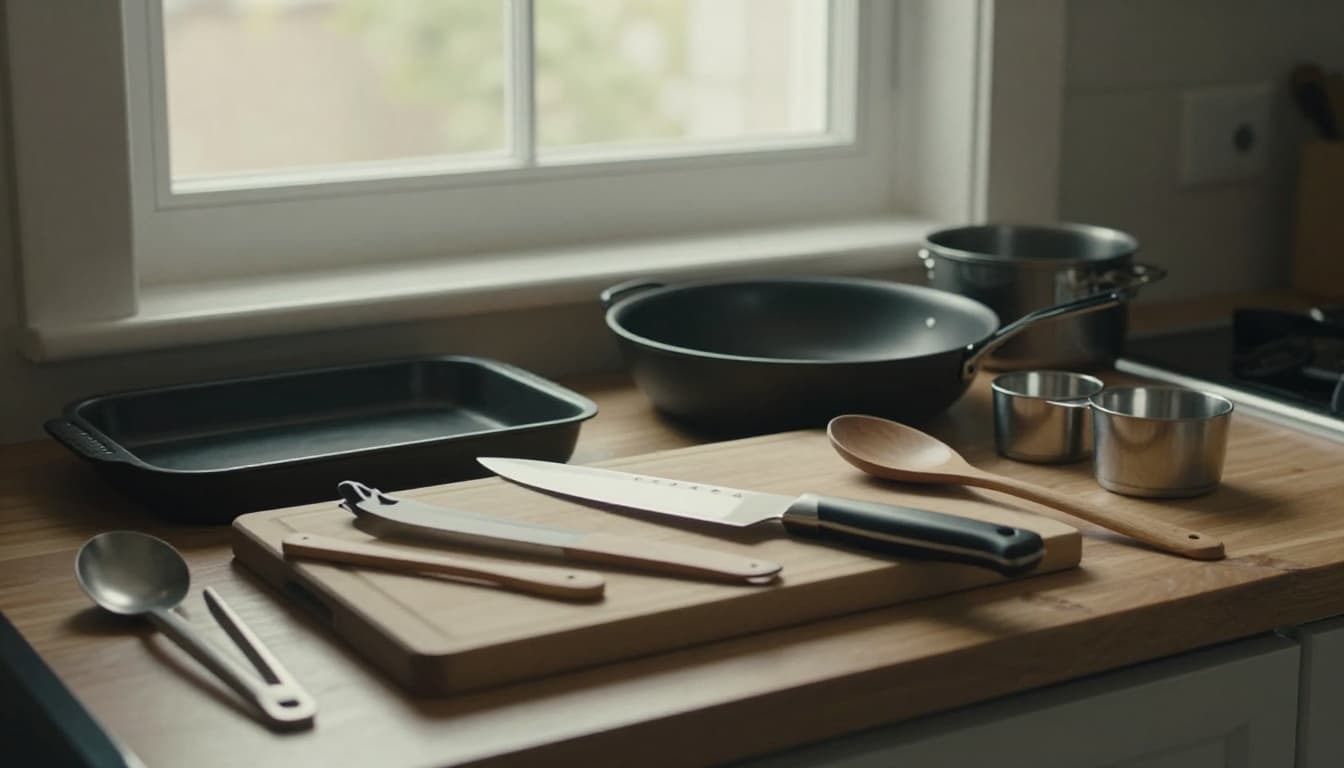
The small group of tools that will handle most beginner meals
This starter setup covers the basics:
| Tool | What it helps you cook |
|---|---|
| Chef’s knife | Chopping onions, fruit, herbs, chicken |
| Cutting board | Safe prep for all ingredients |
| Nonstick skillet | Eggs, grilled cheese, sautéed vegetables |
| Sheet pan | Roasted vegetables, chicken, one-pan meals |
| Saucepan | Pasta, rice, oatmeal, soups |
| Wooden spoon | Stirring sauces, beans, grains |
| Tongs | Flipping chicken, turning vegetables, tossing pasta |
| Measuring cups and spoons | Following recipes without guessing |
That small group handles breakfast, lunch, and dinner. You can scramble eggs, boil pasta, roast broccoli, cook rice, and make simple chicken without buying anything fancy.
If you want a second opinion on what belongs in a starter kitchen, this beginner kitchen equipment guide lines up well with the same idea, start with the essentials and skip the extras.
How to keep your kitchen safe, clean, and easy to use
Good habits make cooking feel calmer. Put a damp towel under your cutting board so it doesn’t slide. Keep raw meat on its own plate or section of the board. Wash your hands after touching it.
Also, clean as you go. While pasta boils, rinse the knife and wipe the counter. That small habit keeps the kitchen from turning into a mess by the end.
Store your most-used tools where you can reach them fast. When the skillet, spoon, and tongs are easy to grab, cooking feels less like chaos and more like routine.
A simple kitchen is easier to learn in than a fully packed one.
Stock a few basic ingredients so cooking feels easier every week
A short pantry list does more for beginners than a long recipe collection. When your kitchen already has a few flexible ingredients, dinner stops feeling like a daily pop quiz.
In March 2026, beginner home cooking in the US still leans toward comfort and budget-friendly staples, especially chicken, beans, pasta, canned fish, and easy one-pan meals. That works in your favor, because these foods are cheap, forgiving, and easy to reuse.
A smart beginner pantry that helps you make meals fast
Start with rice, pasta, oats, canned beans, canned tomatoes, broth, cooking oil, salt, pepper, and garlic powder. Then add eggs, peanut butter, canned tuna, frozen vegetables, and salsa.
Those foods mix and match well. Rice can go with eggs, beans, or chicken. Pasta works with canned tomatoes, tuna, or roasted vegetables. Oats and peanut butter cover quick breakfasts. Frozen vegetables save time and rarely go to waste.
Shelf-stable and freezer basics buy you breathing room. If you come home tired, you can still make something decent without another grocery trip. A simple pantry staples checklist can help if you want ideas without overbuying.
What to buy on your first grocery trip as a complete beginner
Think one week, not one perfect pantry. Buy ingredients you can use more than once.
A smart first trip might look like this in real life: eggs, bread, pasta, rice, canned beans, canned tomatoes, broth, a bag of frozen vegetables, salsa, peanut butter, canned tuna, cooking oil, salt, pepper, and garlic powder. Add one fresh protein, like chicken thighs, plus one or two vegetables you already like eating.
That single trip can cover scrambled eggs on toast, pasta with tomato sauce, bean tacos, rice bowls, tuna pasta, and sheet pan chicken with vegetables. In other words, you’re not shopping for random ingredients. You’re building overlap.
Learn a few basic cooking skills before trying harder recipes
Cooking gets easier when you treat it like a handful of repeatable moves. It isn’t magic, and it isn’t something other people were born knowing.
Before you cook, read the whole recipe. Then set out your tools and ingredients first. That one step cuts stress fast, because you won’t be chopping onions while the pan smokes.
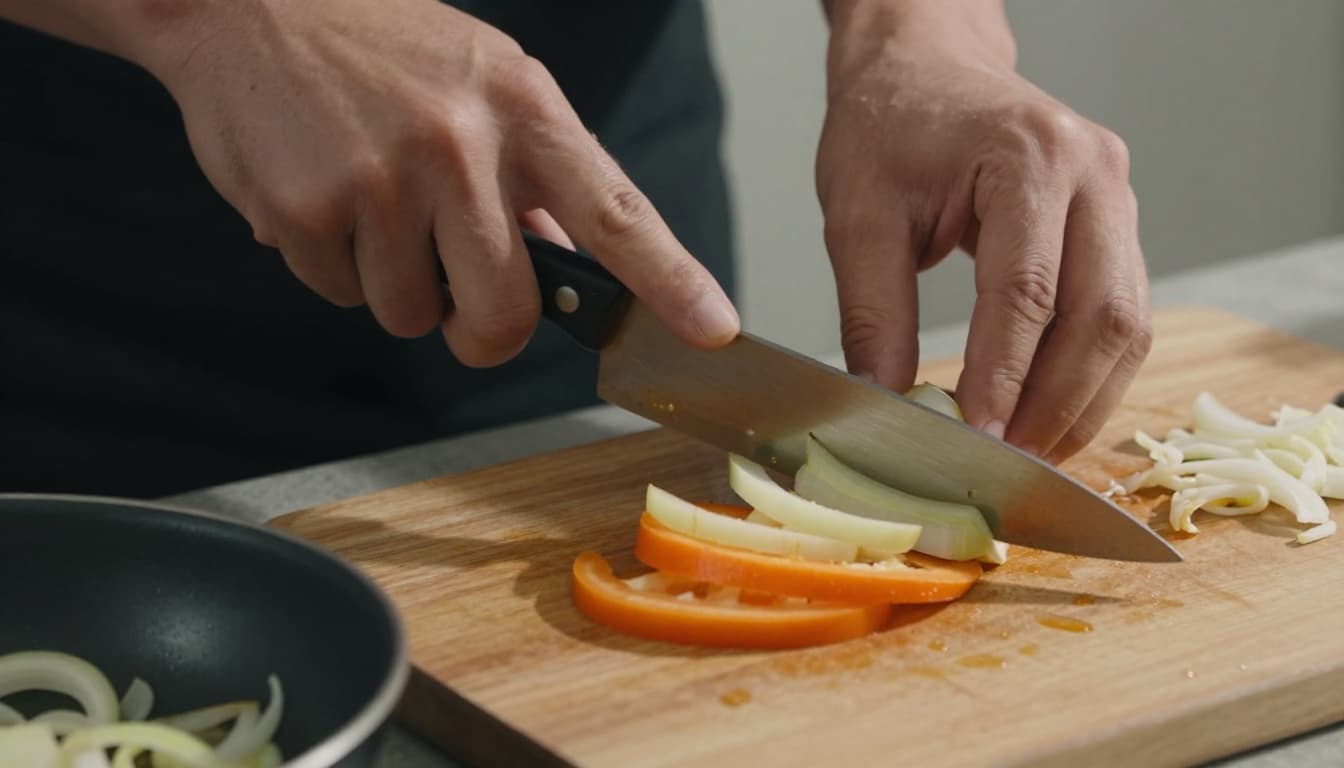
The first five cooking techniques worth practicing
Practice these in order, and you’ll unlock a lot of meals fast:
- Cutting evenly: Food cooks at the same speed when pieces are close in size. That means fewer burnt onions and fewer half-raw potatoes.
- Boiling pasta or eggs: This teaches timing, water levels, and how heat works without much risk.
- Sautéing in a pan: Great for eggs, vegetables, ground meat, and quick sauces. It also teaches how much heat you need.
- Roasting on a sheet pan: Toss food with oil, spread it out, and let the oven do the work. It’s one of the easiest ways to cook well.
- Tasting and seasoning as you go: Salt matters. Pepper matters. A bland meal often needs seasoning, not a full redo.
Repeat a few basic moves until they feel boring. That’s when real progress starts.
How to follow a recipe without feeling overwhelmed
Pick short recipes first, ideally with few ingredients and familiar foods. A five-step pasta is a better teacher than a 20-step stew.
Next, measure ingredients before turning on the heat. Set out the pan, spoon, board, and knife. Then start cooking. That order keeps you calm and stops the common beginner scramble.
Use a timer, even for easy food. Keep your phone nearby for that and nothing else. Multitasking sounds smart, but for beginners, it usually means something burns.
Cook these easy meals first to build confidence fast
Your first goal isn’t variety. Your first goal is a few meals that turn out well enough to make you want to cook again tomorrow.
Simple comfort food works best here. That’s one reason easy pasta, eggs, tacos, and sheet pan dinners remain popular beginner picks in 2026.
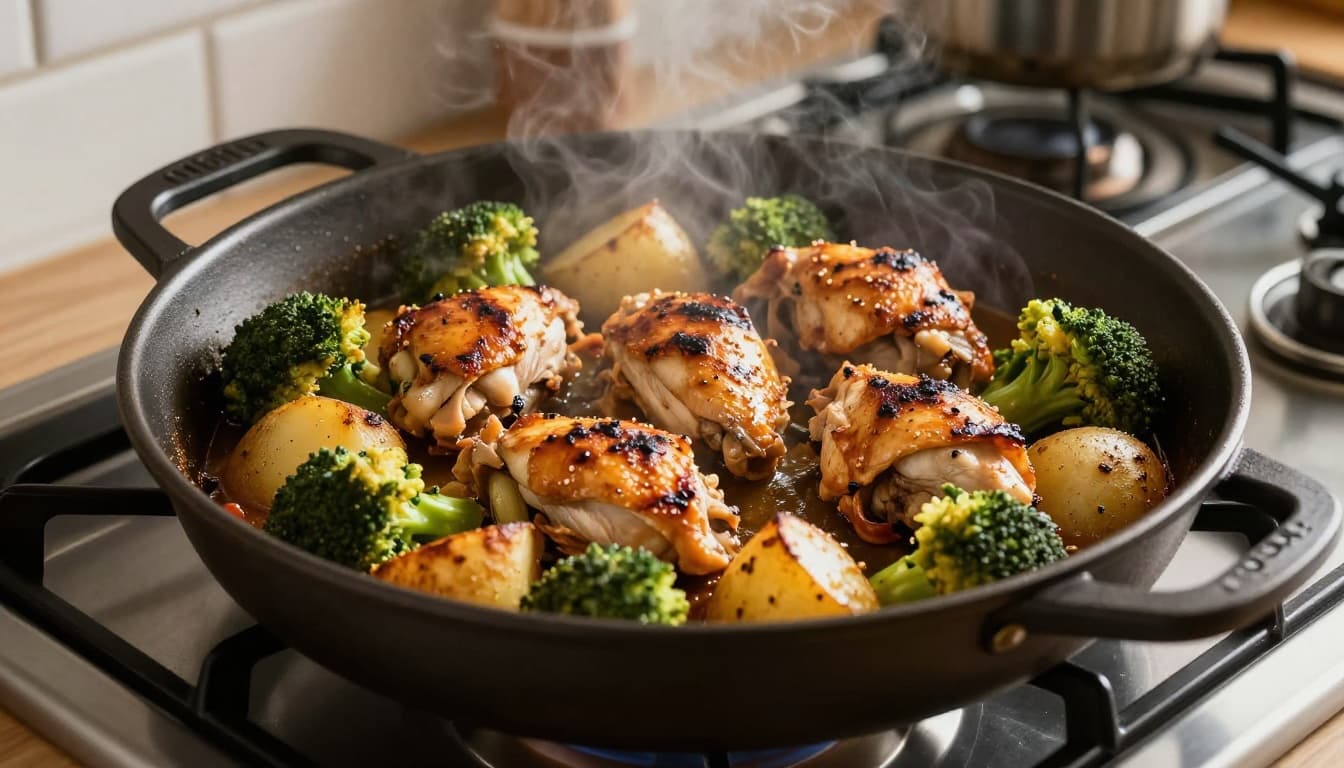
Five foolproof recipes that teach useful skills
Scrambled or fried eggs teach pan heat. If the pan is too hot, eggs toughen fast. When the heat is right, they stay soft and easy.
Grilled cheese teaches timing and patience. Low to medium heat gives the bread time to brown before the cheese melts.
Simple pasta teaches boiling, draining, and sauce basics. Pasta with canned tomatoes, garlic powder, oil, and tuna is cheap and filling.
Sheet pan chicken and vegetables teaches roasting. Spread everything out, season it, and let the oven do most of the work.
Bean tacos teach easy meal assembly. Warm beans, spoon them into tortillas, and add salsa. Dinner doesn’t need to be harder than that.
If you want more ideas in the same lane, this list of easy dinner recipes for beginners is useful for simple weeknight meals.
How to turn one simple meal into leftovers for the next day
Leftovers are a beginner’s secret weapon. They save money, reduce stress, and make cooking feel worth the effort.
Roast extra chicken, and use it in tacos the next day. Make extra rice, and turn it into a quick lunch bowl with eggs and salsa. Cook more pasta than you need, then mix the rest with tuna and frozen peas tomorrow.
This isn’t advanced meal prep. It’s simply doing a little more once so future you has an easier night.
Avoid the beginner mistakes that make cooking harder than it needs to be
Most cooking problems come from a few repeat mistakes. The good news is that each one has a simple fix.
What usually goes wrong in the kitchen, and how to fix it
When a pan is overcrowded, food steams instead of browning. Give ingredients space, especially vegetables and chicken. If needed, cook in two batches.
When heat is too high, the outside burns before the inside cooks. Start lower than you think, especially with eggs, grilled cheese, and garlic.
When you skip prep, stress takes over. Chopping while something cooks sounds efficient, but it often leads to rushed cuts and missed steps. Set up first.
Bland food usually needs more salt than beginners expect. Taste the food before serving. Then adjust little by little. This guide to common beginner cooking mistakes covers many of the same fixes in plain language.
How to keep going when a meal does not turn out right
Every cook burns toast, undercooks potatoes, or oversalts soup at some point. That’s not failure. That’s practice with smoke.
When something goes wrong, learn one lesson from it. Maybe the pan was too hot. Maybe the vegetables were cut too thick. Fix one thing next time and move on.
Also, repeat recipes on purpose. The second time usually feels easier. The third time often feels natural. Confidence doesn’t show up in a flash. It builds from familiar meals done a little better each week.
Feeling lost in the kitchen fades faster than you think. Progress starts when you keep things simple, repeat a few meals, and stop expecting perfection on day one.
Pick one recipe from this post, buy a few staples, and cook your first easy meal this week.
A home-cooked dinner doesn’t have to impress anyone. It just has to get you started.