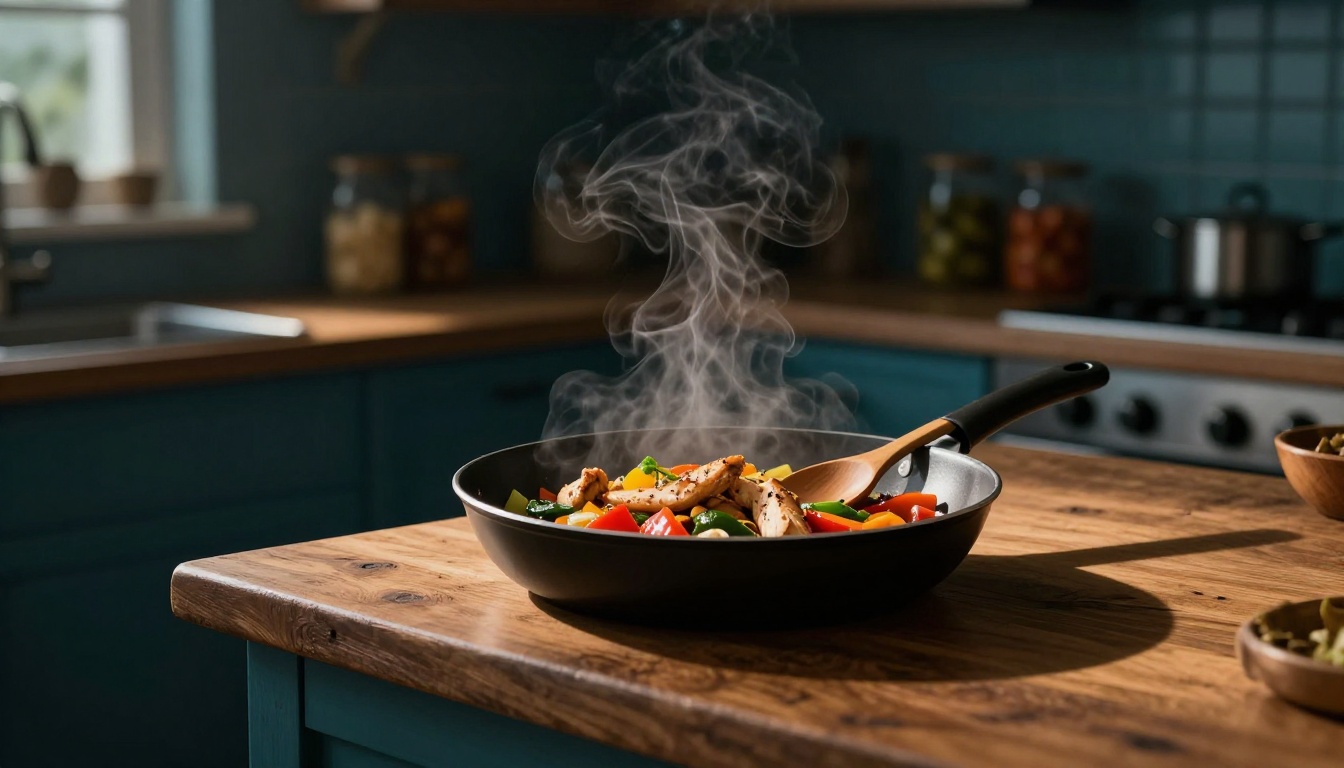
When you’re tired, hungry, and staring at the fridge like it owes you answers, takeout starts to look like the only plan. But the easiest meals to cook after a busy day don’t need much time, much thought, or much cleanup.
A true easy dinner usually checks a few boxes: few ingredients, little chopping, one pan, no-cook parts, or a total time of about 15 to 20 minutes. Once you know that test, picking dinner gets much easier.
What makes a meal easy to cook after a long day?
Easy meals are less about cooking skill and more about friction. If a recipe asks for a long prep list, three burners, and a sink full of dishes, it’s not built for a low-energy weeknight.
The best easy dinners are simple in four ways. First, prep is short. Second, the steps are clear. Third, cleanup is light. Fourth, the ingredients bend to what you already have.
That last part matters most. A tired brain doesn’t want a perfect recipe. It wants options. That’s why pantry staples, frozen vegetables, pre-cooked proteins, and store-bought sauces do so much heavy lifting. As of March 2026, quick pastas, bowls, creamy chicken skillets, and sheet-pan suppers still lead weeknight meal trends in the US, mostly because they fit real life.
If dinner needs a long ingredient list, it’s probably not easy enough for a busy Tuesday.
Look for meals with fewer steps and fewer dishes
One-pan, one-pot, and no-cook meals win because they remove decision points. You don’t have to time three side dishes or wash five cutting boards. You make one thing, maybe add bread or fruit, and you’re done.
This matters more than people admit. After a long day, even small tasks feel heavy. Chopping onions, watching two pans, then scrubbing everything later can turn dinner into a chore. A quesadilla, pasta, or loaded salad feels manageable because it’s one lane, not five.
Choose ingredients that save time without losing flavor
Shortcuts aren’t cheating. They’re smart. Rotisserie chicken, canned beans, microwave rice, frozen gnocchi, bagged slaw, and bottled sauces can turn random groceries into dinner fast.
That approach fits current habits, too. Many home cooks now lean on freezer staples and mix-and-match bowls instead of strict meal prep. A pouch of rice, a handful of frozen broccoli, and leftover chicken can become dinner in 10 minutes. A bagged salad with chickpeas, feta, and pita chips can feel fresh and filling with almost no work.
The easiest meals to make when you want dinner fast
Some nights you have no energy. Other nights you can handle 15 minutes at the stove. Then there are evenings when the oven can do the work while you change clothes and sit down for a minute. The easiest meals fall into those three lanes.
No-cook meals for nights when you cannot deal with the stove
No-cook dinners work best when your energy is gone. They don’t ask you to wait for water to boil or monitor a skillet. You simply assemble, season, and eat.
A chopped salad is one of the best examples. Start with greens or a salad kit. Add rotisserie chicken, canned beans, tuna, or hard-boiled eggs. Then finish with cheese, nuts, croutons, or bread on the side. Suddenly it feels like dinner, not rabbit food.
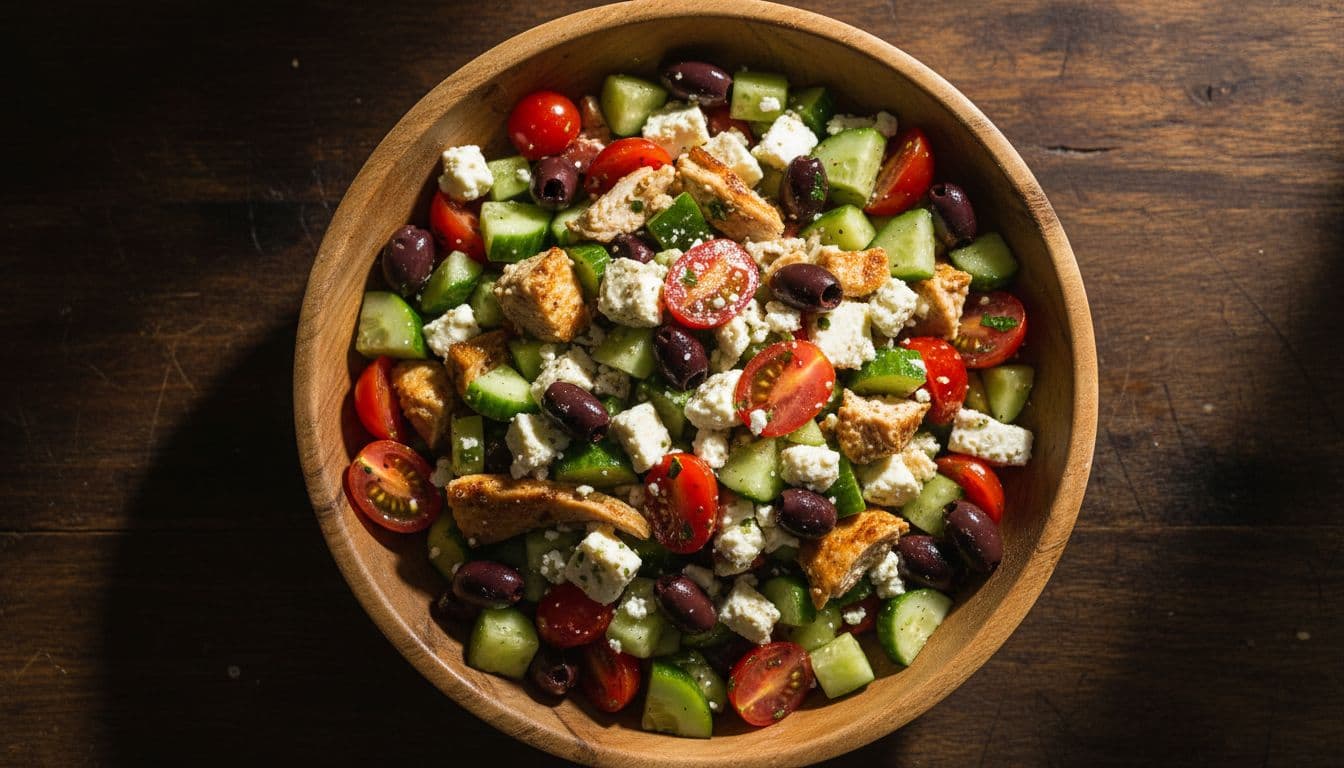
A Greek-style chicken salad is especially easy because bold ingredients do the work. Cucumbers, tomatoes, olives, feta, and chicken already bring salt, crunch, and protein. Wraps are another easy fix. Fill a tortilla with deli turkey, hummus, bagged slaw, and cheese, then fold and eat.
Snack-plate dinners also deserve more respect. Crackers, sliced cheese, fruit, nuts, raw veggies, and a protein can be enough when the goal is to eat well, not perform. For more low-effort ideas, this roundup of no-cook dinners ready in about 20 minutes shows how far a few ready-to-eat staples can go.
The trick is making these meals filling. Add protein, beans, cheese, bread, or avocado. That’s the difference between a sad plate and a dinner that carries you through the night.
15-minute stovetop meals that beat takeout
When you can handle a pan for a few minutes, stovetop meals often beat delivery on time, cost, and cleanup. They also taste fresher, which matters when you’re tempted by salty, expensive takeout.
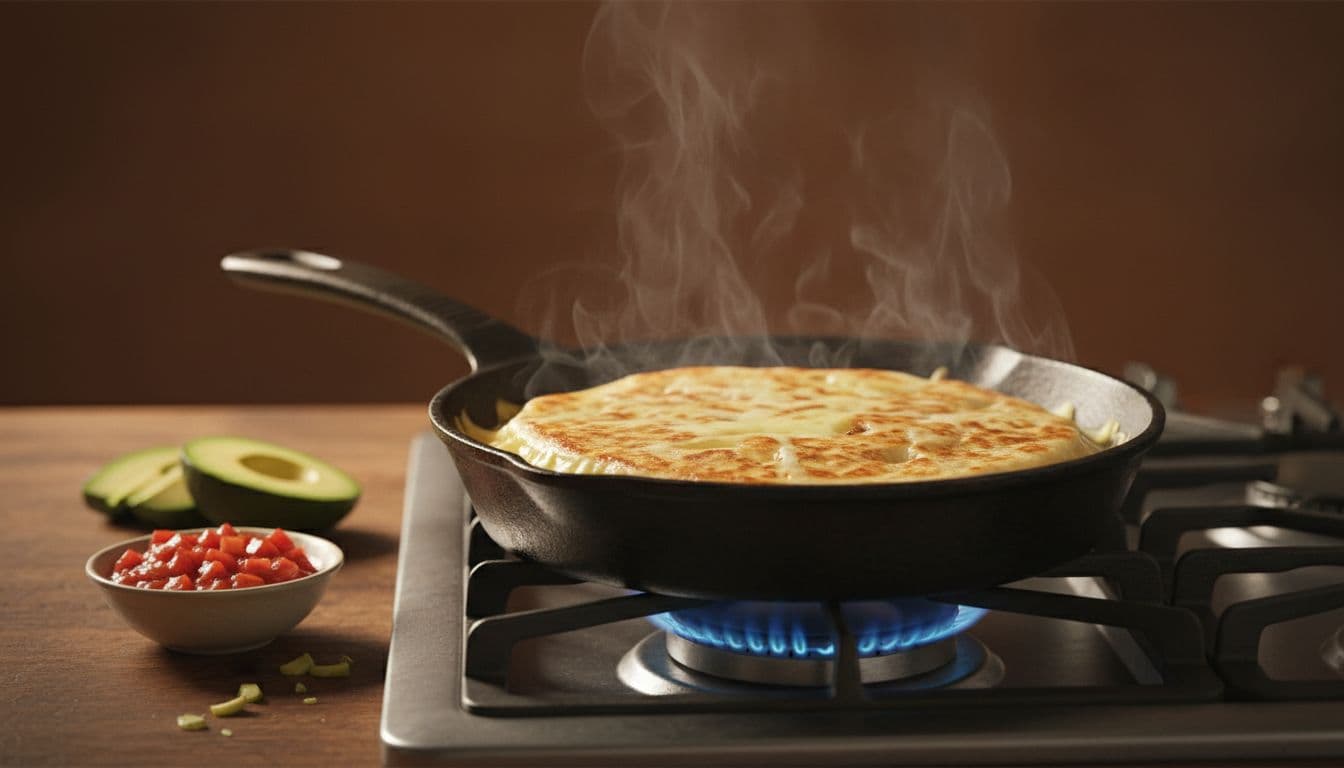
Quesadillas are hard to beat. Fill tortillas with shredded cheese, canned beans, leftover chicken, or spinach. Brown each side in a skillet, then serve with salsa or sour cream. Dinner is done before an app driver would even reach the restaurant.
Other fast favorites include scrambled egg rice, quick stir-fries, and pasta with jarred sauce. Scrambled egg rice is especially good for nearly-empty fridges. Heat oil, add leftover rice, stir in eggs, soy sauce, and frozen peas, then call it done. It’s cheap, fast, and oddly comforting.
Frozen gnocchi has also become a weeknight hero. Many home cooks now pan-fry it straight from the freezer, then toss it with pesto, spinach, sausage, or cherry tomatoes. Jarred Alfredo, vodka sauce, or marinara can save pasta nights, too. A plain bowl of pasta feels basic. Pasta with sauce, spinach, and rotisserie chicken feels like a real plan.
If you want more quick inspiration, these 15-minute dinner ideas line up well with the kind of fast meals people actually make on busy nights.
One-pan and one-pot dinners with the least cleanup
Sometimes the easiest meal is the one you can put in the oven and mostly ignore. One-pan and one-pot dinners work because the cooking happens in one place, and the cleanup stays small.
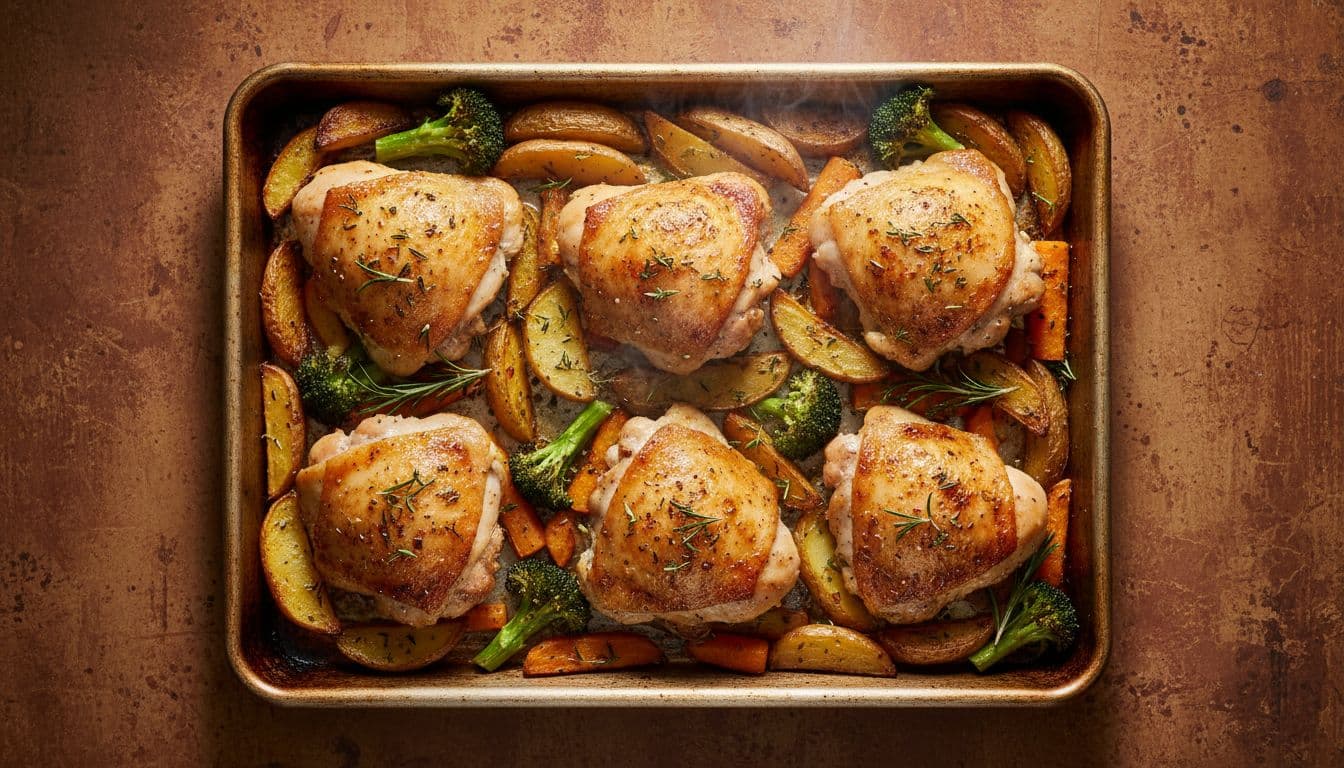
Sheet-pan chicken and vegetables is the classic example. Toss chicken thighs, potatoes, carrots, or broccoli with oil and seasoning. Roast everything together. You get protein, vegetables, and starch on one tray, which feels almost suspiciously efficient.
One-pot pasta is another smart move. Put pasta, sauce, water or broth, and add-ins like spinach or sausage into one pot. The pasta cooks in the sauce, so you skip an extra pan. Taco skillets work the same way. Brown ground beef or turkey, stir in taco seasoning, beans, and corn, then top with cheese. Spoon it into bowls, tortillas, or chips.
Simple soup and chili starters are easy, too. Sauté an onion if you have the energy, then add canned beans, broth, tomatoes, and seasoning. If not, skip the onion and keep moving. A meal doesn’t need to be perfect to be useful.
For more ideas in this style, a sheet-pan sausage and peppers dinner shows how one tray can carry a whole meal.
How to make easy dinners even easier during the week
The real secret isn’t motivation. It’s reducing the number of choices you have to make at 6:30 p.m. When dinner already has a rough shape, you waste less time and feel less drained.
Keep a short list of go-to ingredients at home
You don’t need a giant stockpile. You need a few flexible basics that mix well together. Eggs, pasta, canned beans, tortillas, frozen vegetables, microwave rice, shredded cheese, rotisserie chicken, and a few favorite sauces will cover a lot of ground.
With those alone, you can make breakfast tacos, pasta bowls, bean quesadillas, rice bowls, quick soup, or a loaded salad. That’s why pantry cooking works so well on rough evenings. It turns “there’s nothing to eat” into “I can make three things.”
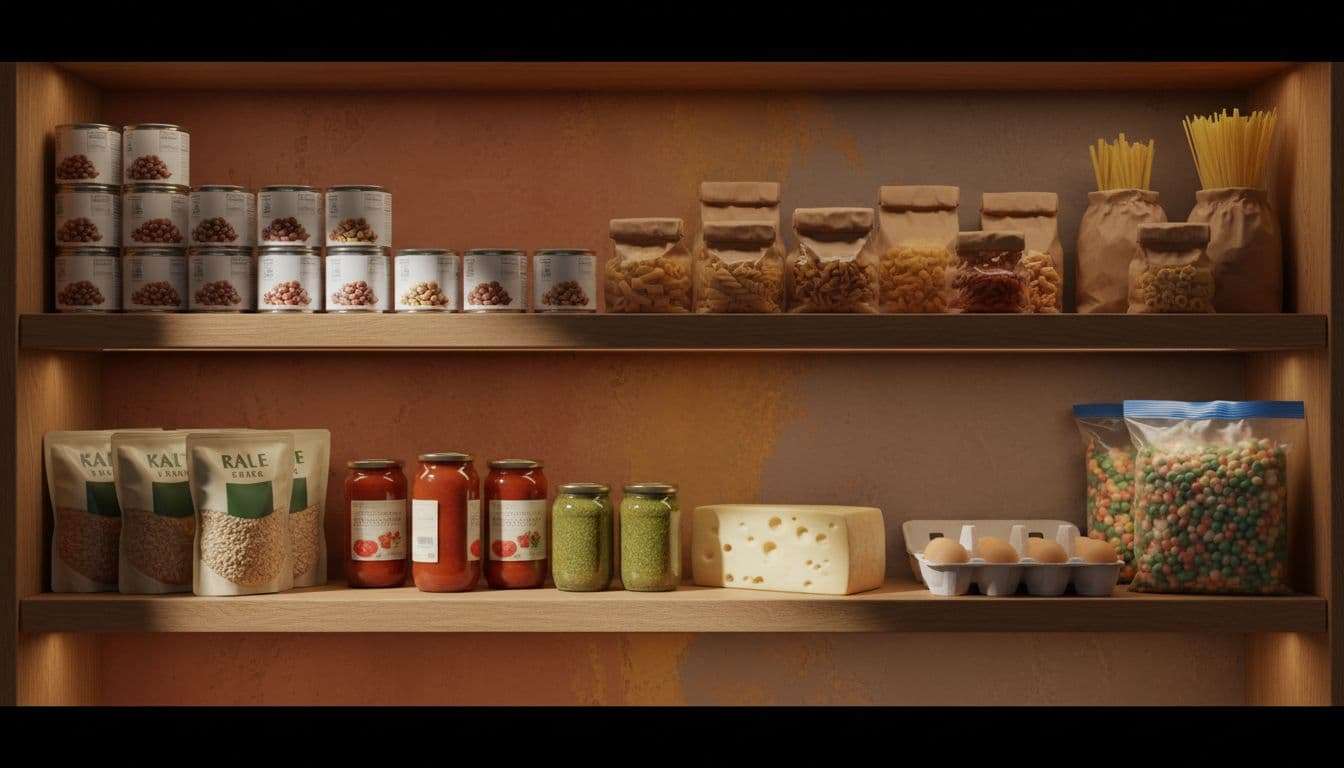
If you want a few more backup ideas, these pantry-staple dinners show how far beans, noodles, sauces, and frozen items can stretch.
Use simple meal formulas so you never start from scratch
Formulas beat recipes when you’re tired. They give you structure without boxing you in.
A few easy ones work almost every time:
- Protein + vegetable + sauce over rice: chicken and broccoli with teriyaki, beans and corn with salsa, tofu and peppers with peanut sauce.
- Pasta + sauce + one add-in: marinara with spinach, pesto with peas, Alfredo with rotisserie chicken.
- Salad + protein + crunch: greens, tuna or chicken, then nuts, croutons, tortilla strips, or toasted bread.
These formulas also help with leftovers. Half a bag of spinach stops feeling random when you know it can go into pasta, eggs, soup, or quesadillas.
A simple way to choose the right dinner for your energy level
Picking dinner gets easier when you stop asking, “What should I make?” and start asking, “What kind of effort do I have tonight?” That small shift saves time and lowers stress.
This quick guide makes the choice clearer:
| Energy level | Best dinner type | Good options |
|---|---|---|
| Almost none | No-cook | Salad kit with chicken, wrap, snack plate |
| Low but functional | 15-minute stovetop | Quesadilla, egg rice, quick pasta, stir-fry |
| Okay, but no cleanup desire | One-pan or one-pot | Sheet-pan chicken, taco skillet, one-pot pasta |
The takeaway is simple. Match the meal to your energy, not to some ideal version of dinner. If you only have enough energy for a wrap, make the wrap. That’s still feeding yourself well.
The easiest dinner is the one you’ll actually cook.
A busy day can make even small kitchen tasks feel heavy. That’s why the best meals are often the plainest ones, not the fanciest.
Keep a few low-effort dinners on repeat, stock a short list of flexible staples, and let simple formulas carry the load. Easy meals don’t need to impress anyone. They only need to be satisfying, affordable, and easier than last-minute takeout.
Pick three dinners from this list and make them your defaults this week. When you’re tired tomorrow night, you’ll be glad tonight’s version of you kept it simple.