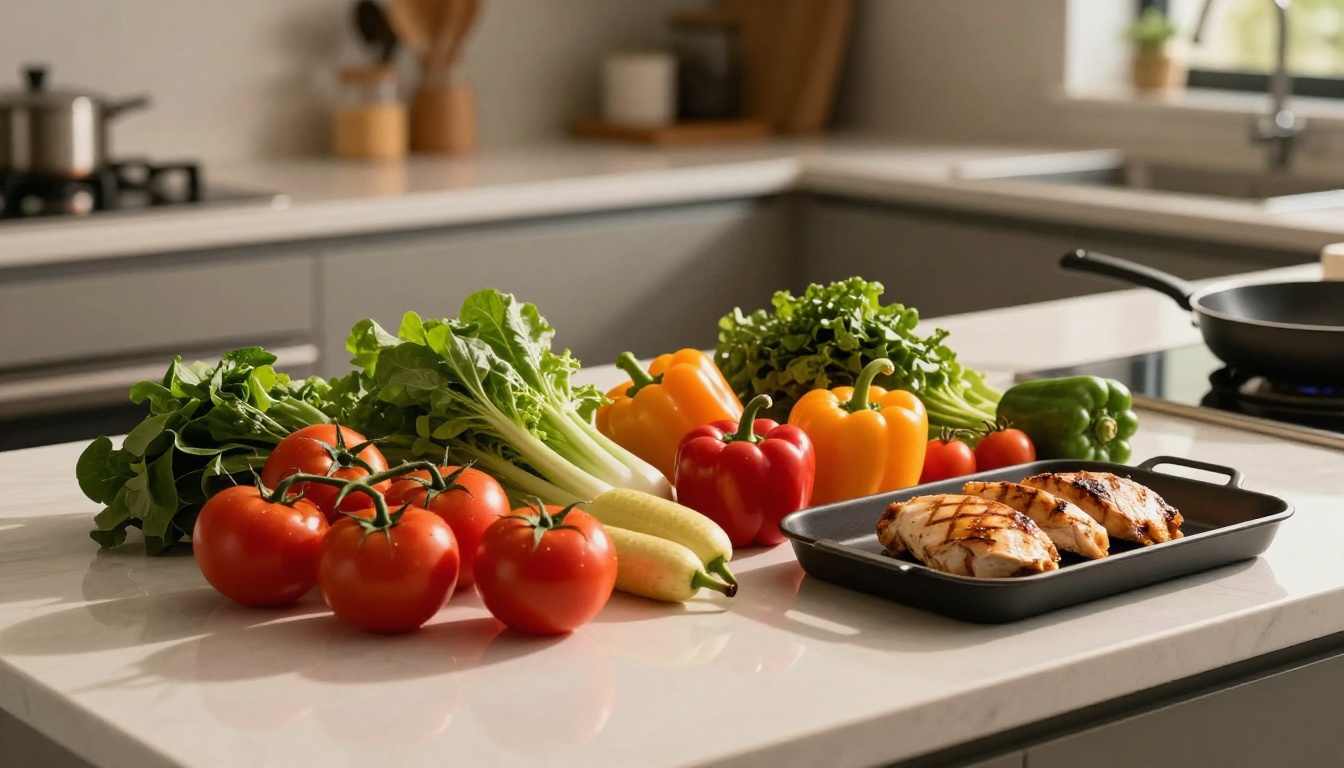
Healthy meals don’t need 14 ingredients, perfect knife skills, or a Sunday spent batch-cooking. Most of the time, you need a few solid basics and a simple way to put them together.
That approach fits how people cook in 2026. Quick bowls, one-pot dinners, sheet pan meals, and high-protein plates under 30 minutes are popular because they work. They save time, cut stress, and still put real food on the table.
If cooking has started to feel like homework, this simpler method can change that.
Start with a simple formula instead of a full recipe
A recipe can help, but it can also box you in. You might be missing one ingredient, dislike one step, or lose patience halfway through. A formula is easier. It gives you structure without making dinner feel like a test.
Think of it like getting dressed. You don’t need a style guide every morning. You pick a few pieces that work together and move on. Healthy meals can work the same way.
If you like the idea of cooking with more freedom, this no-stress dinner formula shows how flexible meal building can be.
Use the 5-part meal builder to make balanced meals fast
A healthy plate gets much easier when you stop asking, “What recipe should I make?” and start asking, “What five parts do I have?”
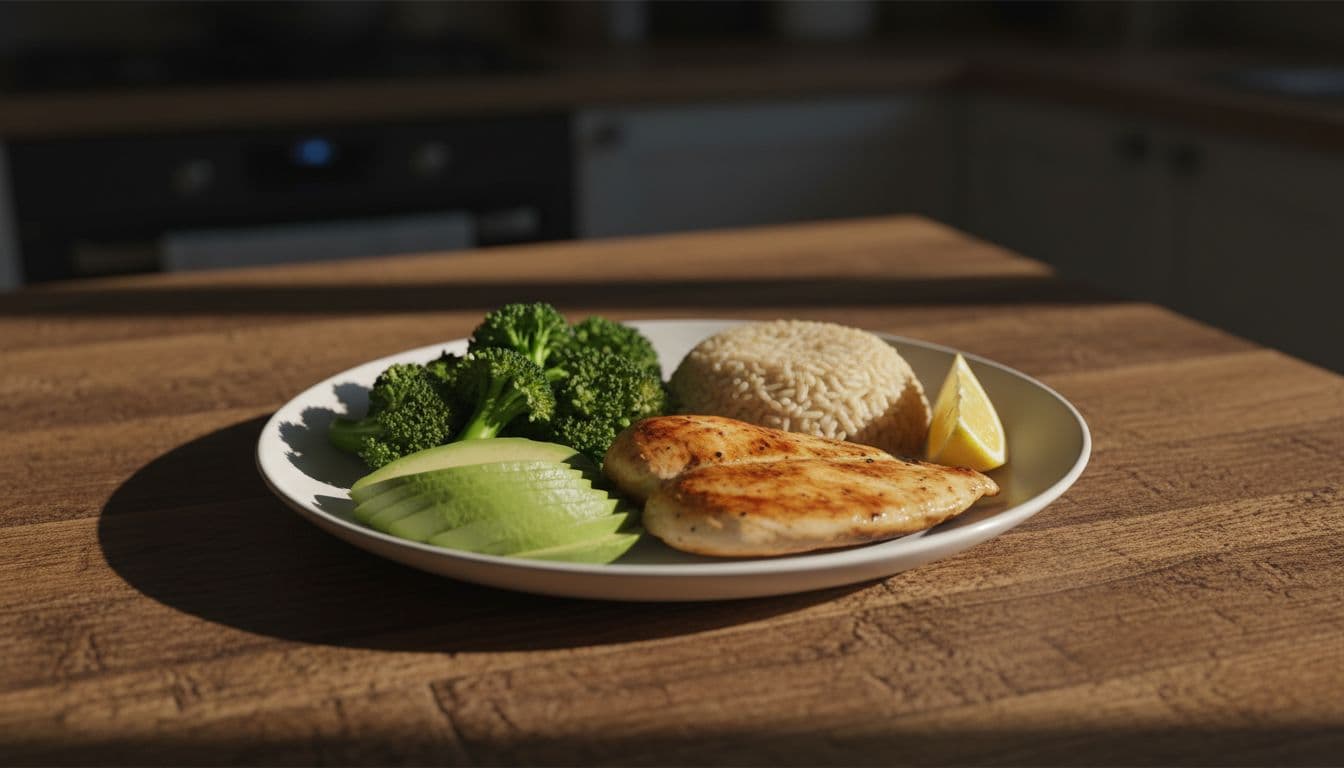
Those parts are simple: protein, vegetables, carbs, fat, and flavor.
Protein could be eggs, chicken, tofu, salmon, Greek yogurt, lentils, or beans. Vegetables can be fresh or frozen, broccoli, spinach, green beans, peppers, cabbage, or mixed vegetables all work. Add a smart carb like rice, potatoes, oats, tortillas, or whole grain pasta. Then finish with a little fat, such as olive oil, avocado, nuts, or cheese. Last comes flavor, which is where lemon, salsa, garlic, yogurt sauce, kimchi, pesto, or a spice blend steps in.
A healthy meal doesn’t have to be perfect, it has to be repeatable.
Mix and match foods you already like
This is where healthy cooking gets easier to stick with. Instead of chasing new “clean eating” recipes every week, repeat a few combinations you already enjoy.
Make a rice bowl with chicken and broccoli. Scramble eggs, then add toast and fruit. Heat lentil soup and pair it with a bagged salad. Bake salmon, roast potatoes, and throw green beans on the same tray. None of that is fancy. All of it works.
Repeating simple meals isn’t boring. It’s efficient. When dinner feels familiar, you’re far more likely to cook at home.
Keep a short grocery list that makes healthy meals easier
A packed cart can still leave you with nothing to cook. What helps more is a short list of foods that can show up in several meals.
This matters even more when life is busy. Fewer ingredients means fewer choices, less waste, and faster meals during the week. That’s why a lot of smart grocery advice still comes back to flexible basics, like these nutritionist-recommended weekly staples.
Stock a few proteins, vegetables, and carbs you can use all week
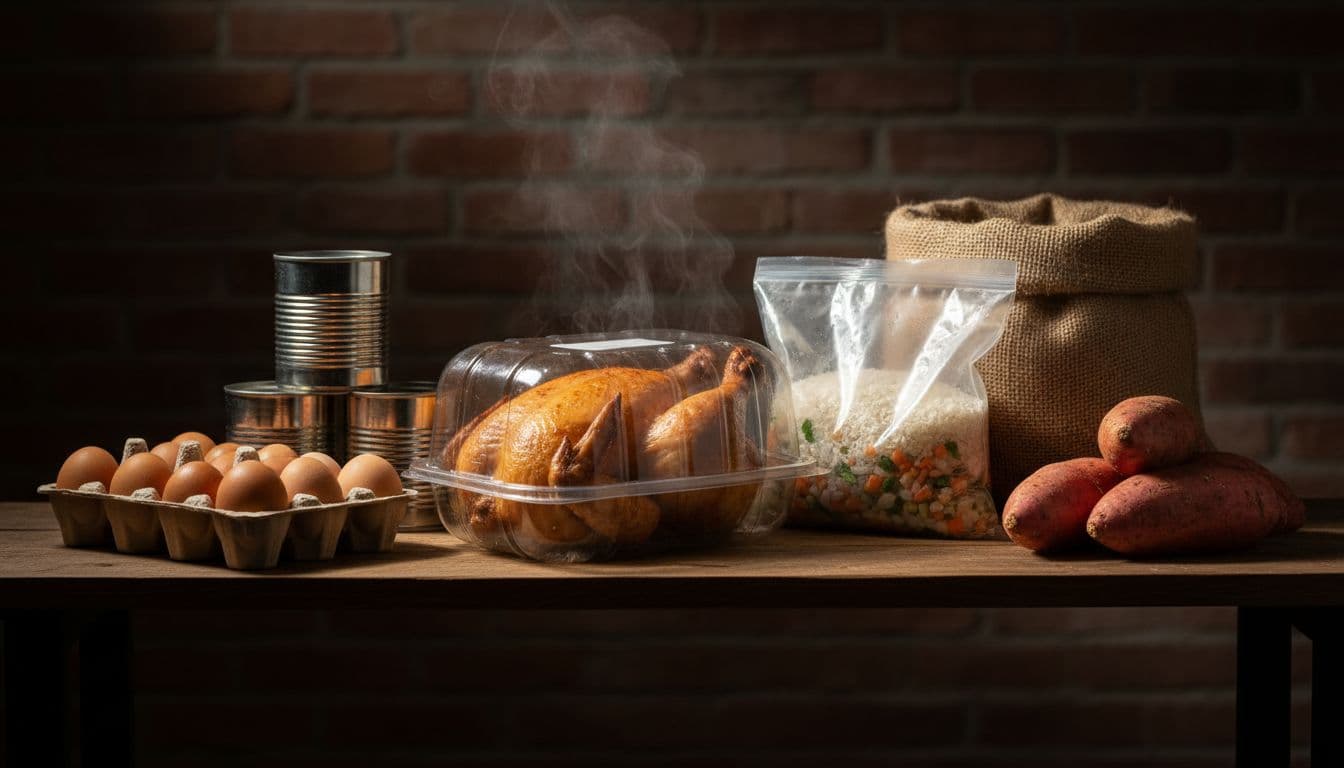
Keep it tight. Eggs, canned beans, rotisserie chicken, Greek yogurt, and tofu cover a lot of ground for protein. Frozen vegetables, bagged salad, cabbage, and baby spinach make vegetables easier to use before they go bad. Rice, oats, tortillas, and sweet potatoes can turn into breakfast, lunch, or dinner.
Frozen and canned foods count. They often save money, last longer, and cut down on prep. On a busy Tuesday, that matters more than a romantic idea of chopping everything from scratch.
Lean on smart shortcuts without giving up nutrition
Shortcuts aren’t cheating. They’re tools.
Pre-cut vegetables, microwave rice, jarred marinara, rotisserie chicken, canned lentils, and chickpeas can save dinner. So can flavor boosters. Salsa, pesto, garlic, lemon juice, soy sauce, yogurt sauce, and quick-pickled cucumbers can make plain food taste alive in minutes.
When your fridge has a few basics and a few fast flavor options, cooking feels lighter. That small shift can make the difference between takeout and a solid homemade meal.
Use easy cooking methods that almost always work
Healthy cooking gets simpler when you repeat a few methods until they feel automatic. In 2026, that’s one reason bowls, one-pot meals, and sheet pan dinners keep showing up. They’re fast, filling, and easy to clean up.
If you want more examples of flexible dinners built around this style, these easy no-recipe meals are a good reminder that simple structure beats strict rules.
One-pan and one-pot meals cut down on effort and cleanup
These methods are beginner-friendly because they remove a lot of moving parts. You don’t need to manage three burners and a timer in your head.
Try lentil soup, turkey or bean chili, or a chicken and vegetable skillet. Cook one grain, like rice or quinoa, then top it with whatever protein and vegetables you have. That becomes a bowl, and bowls are hard to mess up.
Fewer steps usually means better follow-through. The easier dinner feels, the more often you’ll make it.
Roasting, sautéing, and air frying make basic ingredients taste better
A plain vegetable can taste flat. Roast it, sauté it, or air fry it, and it becomes something you want again tomorrow.
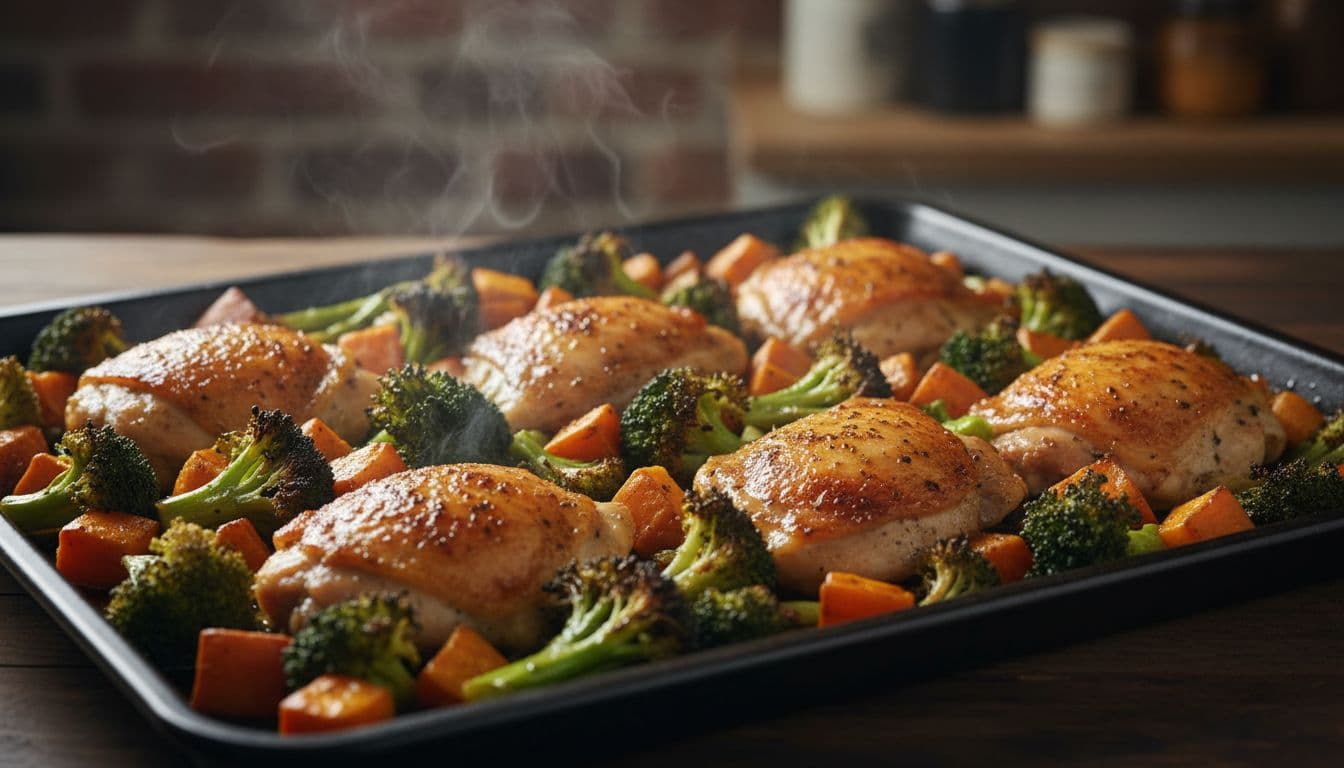
Roasted broccoli gets crisp edges and sweetness. Green beans sautéed with garlic and lemon taste brighter right away. Air-fried chickpeas turn into a crunchy topping for bowls and salads. Sheet pan chicken with vegetables gives you protein and sides at once, with almost no extra cleanup.
You don’t need restaurant tricks here. A hot pan, a little oil, salt, and enough time to brown the food will do a lot of the work.
Try easy healthy meal ideas you can repeat every week
You don’t need a giant recipe folder. A small group of go-to meal types works better because you can picture them, shop for them, and repeat them without much thought.
That matters now because simple, high-protein, fiber-rich meals are leading how many people eat in 2026. Cabbage, broccoli, beans, lentils, yogurt sauces, and fermented foods like kimchi show up often because they add nutrition without extra effort.
Build quick bowls for lunch or dinner in 20 minutes or less
Bowls are one of the easiest ways to cook healthy meals without complicated recipes. Start with rice, potatoes, or greens. Add protein. Add vegetables. Finish with a sauce or crunchy topping.
A chicken rice bowl with quick-pickled cucumbers and carrots works well. So does a lentil and rice bowl with yogurt sauce and spinach. If you want stronger flavor, make a Korean-inspired beef bowl with broccoli and kimchi. Salmon or tofu bowls with rice and greens also fit the formula and come together fast.
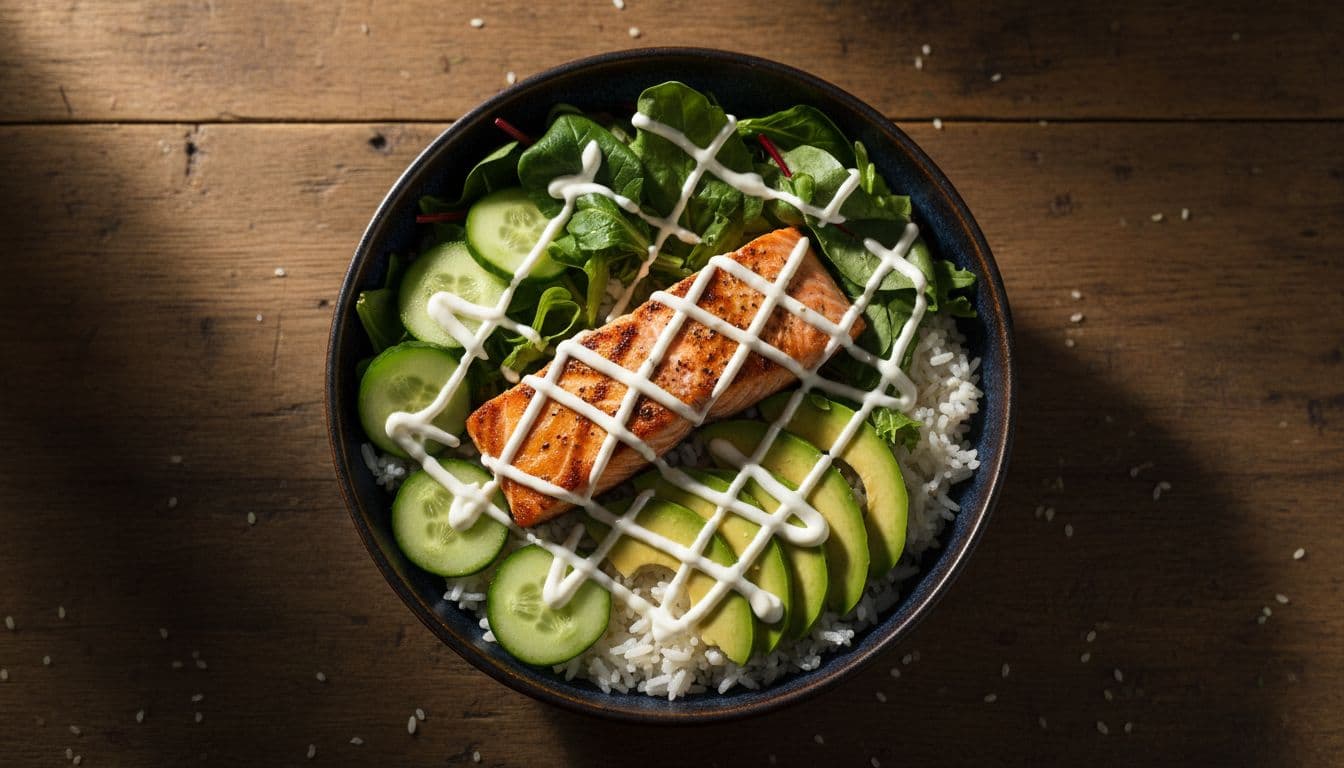
Bowls work because they balance protein, fiber, carbs, and flavor in one dish. They also make leftovers feel planned instead of random.
Make simple comfort meals that still feel healthy
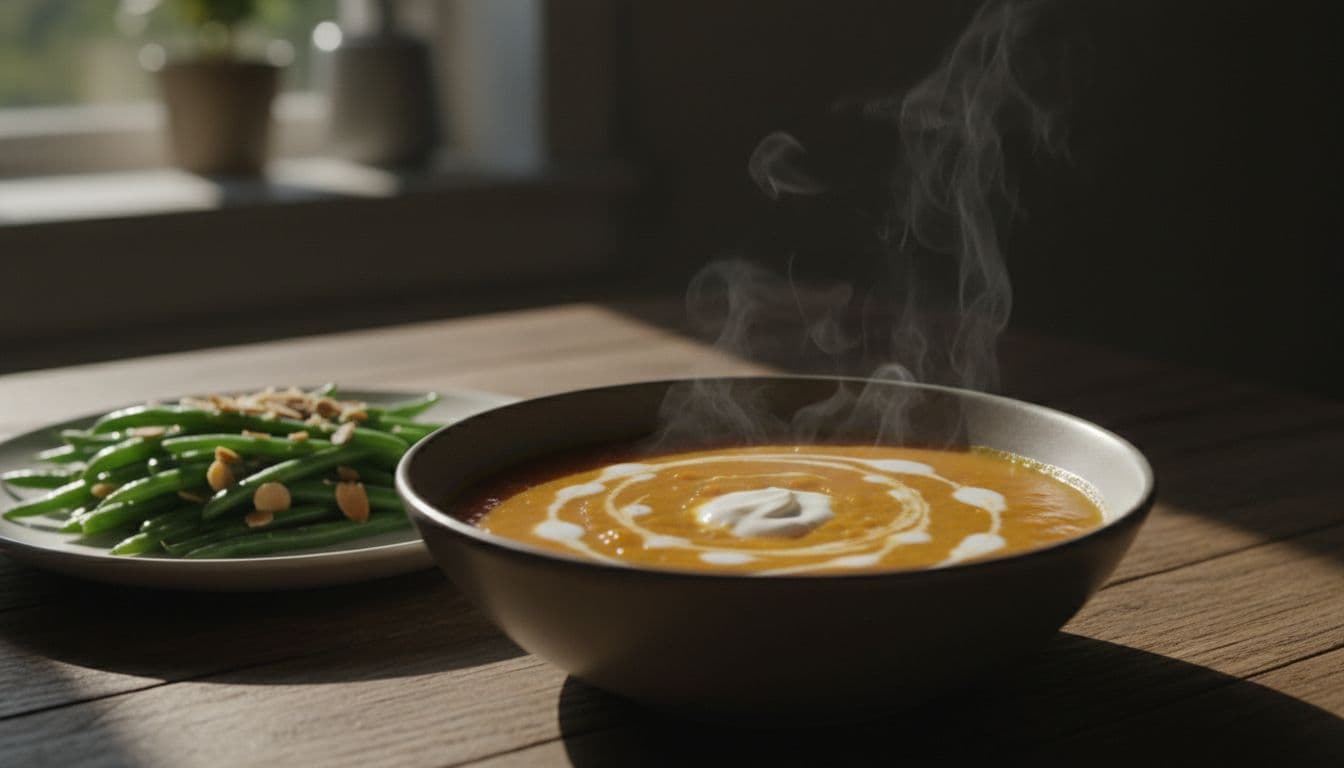
Healthy food shouldn’t feel cold or punishing. Warm, filling meals often make it easier to stay consistent.
A coconut sweet potato lentil soup is a good example. So is lemon garlic chicken with green beans, turkey chili, or a baked potato topped with Greek yogurt, beans, and salsa. These meals feel cozy, but they still bring protein, fiber, and real staying power.
Keep breakfast and snack meals easy, high in protein, and low stress
Not every healthy meal has to look like dinner. Some days, breakfast-for-dinner is the smartest choice in the house.
Eggs with toast and fruit work. Greek yogurt bowls with berries and nuts work. Overnight oats, smoothies, breakfast burritos, or a snack plate with fruit, nuts, cheese, and crackers all count too. When time is tight, simple wins.
If you want help turning those basics into a weekly rhythm, this simple meal planning formula can make repeat meals feel even easier.
Make healthy cooking easier to stick with
The goal isn’t cooking perfectly. The goal is cooking at home more often.
Prep just enough so weeknight cooking feels easier
You don’t need full meal prep. A little setup goes a long way.
Cook a pot of rice. Wash fruit. Chop one or two vegetables. Roast a tray of sweet potatoes. Cook one protein ahead, then use it in bowls, wraps, or salads. Even 15 minutes can take the edge off the week.
Focus on progress, not perfect meals
Some nights, a healthy dinner is chicken, frozen broccoli, and microwave rice. That’s still a win.
Keep meals simple. Repeat favorites. Build confidence one easy plate at a time. After all, the people who cook healthy meals most often usually aren’t the people making the fanciest food. They’re the ones making food feel doable.
Healthy cooking gets easier when you stop treating it like a performance. Use a simple formula, keep a few staples on hand, and repeat the meals that make your life easier.
Tonight, make one simple meal. Pick a protein, a vegetable, and a carb, then cook from there.