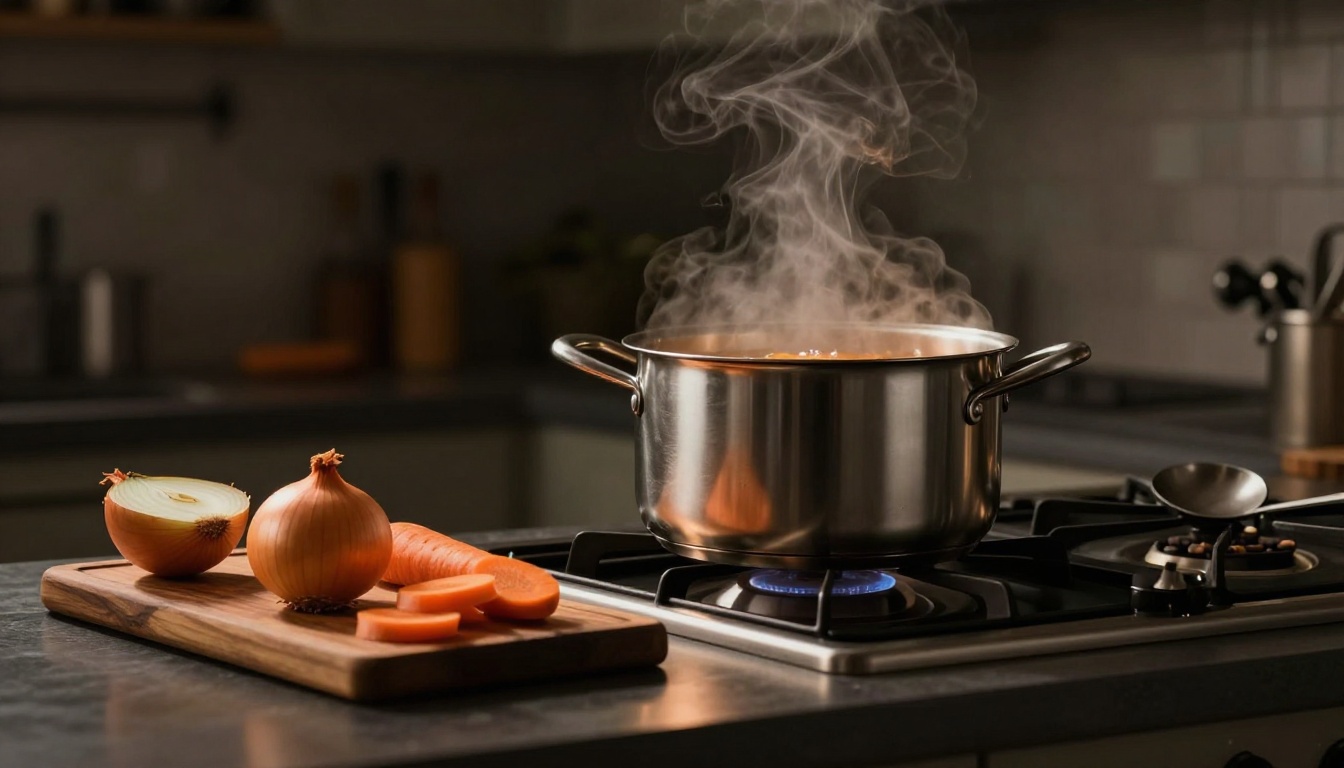
A pot of homemade soup can start with almost nothing. Half an onion, a carrot, some broth, and a can of beans are often enough.
That’s why soup is one of the best from-scratch meals for beginners. It’s low-cost, flexible, and perfect for leftovers that need a new life. Once you know the base method, you can make soup from what’s already in your kitchen.
Start with the simple building blocks every good soup needs
Good soup isn’t about a long recipe. It’s about a few parts working together.
First comes the fat, usually oil or butter. That’s what helps onion, garlic, celery, and carrots soften and turn sweet. Those ingredients are called aromatics, and they build the first layer of flavor.
Next comes liquid. Broth gives more flavor right away, but water can still work if your vegetables and seasonings do more of the heavy lifting. Then you add the body of the soup, like potatoes, beans, chicken, rice, noodles, or chopped vegetables.
Seasoning matters too. Salt wakes everything up. Pepper adds a little edge. Herbs bring freshness or warmth, depending on what you use. Even a plain soup tastes better when those basics are in balance.
Fresh ingredients are great, but they aren’t required. Frozen peas, canned beans, boxed broth, and leftover cooked chicken all belong in homemade soup. If you like keeping basics on hand, this guide to stocking a pantry for soup season is full of practical ideas.
The best ingredients to keep on hand for an easy soup night
A short list of staples makes soup night much easier.
| Pantry | Fridge | Freezer |
|---|---|---|
| Broth or bouillon | Onion | Mixed vegetables |
| Canned beans | Garlic | Peas |
| Diced tomatoes | Carrots | Corn |
| Rice or pasta | Celery | Cooked chicken |
| Potatoes | Butter | Stock in small containers |
| Salt, pepper, dried herbs | Lemon or lime | Spinach |
These basics give you options without filling your kitchen with random ingredients.
If you want one simple rule, keep one item from each group: an aromatic, a liquid, a starch or bean, and a seasoning.
How to choose a soup base, broth, water, milk, or blended vegetables
Broth-based soups are the easiest place to start. They feel light, cook fast, and work well with vegetables, beans, chicken, and noodles. That fits what many US home cooks are making in March 2026, because lighter brothy soups with veggies and protein are gaining ground.
Creamy soups are still easy, but they don’t have to start with heavy cream. You can get that cozy texture from milk, a spoonful of cream, mashed potatoes, white beans, or by blending part of the soup. Cooked cauliflower, squash, carrots, and even onions can make soup feel rich without much dairy.
Miso is also showing up more in simple homemade soups, especially when cooks want a savory, cozy flavor with little effort. A small spoon stirred in near the end can add depth fast.
If you want more ideas for texture and creaminess, these tips for better creamed soups show how different bases change the final bowl.
Follow this basic step by step method to make soup from scratch
Soup feels loose and forgiving, but the order still matters. When you follow a simple sequence, the whole pot tastes better.
Here’s the base method:
- Prep everything first, chop onion, garlic, vegetables, and any protein.
- Warm oil or butter in a pot over medium heat.
- Cook the aromatics until soft and fragrant.
- Add broth or water.
- Stir in vegetables, beans, grains, or protein.
- Simmer gently until tender.
- Taste and adjust salt, pepper, and finishers.
- Serve as is, or add toppings like herbs, cheese, or toast.
That’s the whole map. Once you know it, you can change the details as needed.
Soup is like building a small campfire. Start slow, give it air, and the heat builds on its own.
Cook the onion, garlic, and other aromatics first for better flavor
This first step is easy to rush, but it makes a huge difference.
Add a little oil or butter to the pot, then cook onion, celery, carrots, or garlic over medium heat. Stir now and then. You want them soft, not dark. Onion usually needs about 5 to 7 minutes. Garlic needs less time, often 30 seconds to 1 minute.
Why does this matter? Because raw onion in broth tastes flat. Softened onion tastes sweet and mellow. The same goes for celery and carrots. They stop tasting sharp and start blending into the soup.
If you’re adding spices, dried herbs, or tomato paste, this is also a good moment. A minute in the warm pot helps them taste fuller.
Add the main ingredients, then simmer until everything is tender
Once the aromatics smell good, pour in your broth or water. Then add the main ingredients based on how long they need to cook.
Potatoes, raw chicken, lentils, and chopped carrots need more time, so add them early. Canned beans, cooked chicken, spinach, peas, and quick pasta go in later. Rice and barley take longer, so give them enough room to soften.
Keep the heat at a gentle simmer. The soup should bubble lightly, not boil hard. A fast boil can make vegetables fall apart and can toughen meat.
Here’s a simple example. Sauté onion, garlic, carrot, and celery. Add broth, diced potatoes, and canned white beans. Simmer until the potatoes are soft, about 15 to 20 minutes. Finish with salt, pepper, and a squeeze of lemon. That’s dinner.
For chicken soup, simmer until the chicken is cooked through, then shred it and return it to the pot. For noodle soup, add noodles near the end so they stay tender, not mushy.
Taste, adjust, and finish the soup so it tastes balanced
The last few minutes decide whether your soup tastes flat or full.
Start with salt. Add a little, stir, and taste again. Then add black pepper. If the soup still feels dull, it may need acid, not more salt. A squeeze of lemon or lime can wake up a whole pot.
Fresh herbs help too. Parsley, dill, cilantro, or green onion can brighten a rich soup. A little grated cheese adds body and savoriness. If you want a silkier finish, stir in a spoonful of cream or a pat of butter.
If the soup tastes too thick, add more broth or water. If it tastes too thin, simmer it longer or blend a small portion and stir it back in.
That final tasting step matters because soup changes as it cooks. These common reasons soup tastes bland line up with what happens in home kitchens all the time, not enough salt, not enough acid, or not enough texture.
Easy ways to make your soup thicker, creamier, or more filling
Once you know the base method, texture becomes the fun part.
Some nights you want a light broth with vegetables. Other nights you want a bowl that eats like dinner. You don’t need a hard recipe for either one.
Simple tricks for a creamy texture without making it heavy
The easiest trick is to blend part of the soup. Scoop out a cup or two, blend it, then stir it back in. That thickens the whole pot without adding flour or cream.
Mashing works too. If your soup has beans or potatoes, crush some right in the pot with a spoon or potato masher. The starch thickens the broth naturally.
Milk can help, but use it gently. Add it near the end over low heat. The same goes for cheese. Stir it in slowly so it melts smoothly. Once dairy goes in, don’t let the soup boil hard.
This is also why vegetable soups can feel so satisfying. A blended carrot, cauliflower, or squash soup gets body from the vegetables themselves.
What to add when you want a heartier meal in one pot
For a filling soup, add protein, starch, or both.
Beans and lentils are affordable and easy. Shredded chicken works well in almost any broth. Ground turkey can make a simple vegetable soup feel like a full meal. Rice, barley, pasta, and potatoes all add weight and comfort.
Timing matters here. Quick-cooking pasta should go in late. Cooked rice is often better stirred in at the end. Spinach, frozen peas, and cooked chicken need only a few minutes.
Current US soup trends also lean toward veggie-forward broths with cabbage, greens, and protein, partly because they feel light but still satisfying. That’s useful on busy weeknights, especially when you want one pot and not a sink full of dishes.
Common homemade soup mistakes and how to fix them fast
Even simple soup can miss the mark. The good news is that most problems are easy to fix.
Why soup turns out bland, watery, or too salty
Bland soup usually means one of three things. It needs more salt, more time, or more contrast. Let it simmer a bit longer, then taste again. Add salt in small pinches. If it still feels sleepy, add lemon juice, vinegar, or fresh herbs.
Watery soup often needs texture. Blend part of it, mash some beans or potatoes, or simmer it uncovered so some liquid cooks off.
Too much salt is annoying, but not hopeless. Add more unsalted broth, water, beans, potatoes, or vegetables to spread the salt out. Acid can help balance the taste too. Both Southern Living’s guide to fixing salty soup and many home cooks use that simple approach.
If your soup feels close but not great, stop changing everything. Adjust one thing at a time, then taste again.
How to store, reheat, and freeze soup without losing quality
Soup often tastes better the next day because the flavors settle and deepen overnight.
Cool leftovers, then move them into containers and refrigerate them promptly. Reheat on the stove over medium-low heat, stirring now and then. If the soup thickens in the fridge, add a splash of water or broth.
Freezing works well for many soups, especially broth-based ones. Leave a little room in the container so the soup can expand. If the soup has pasta, know that the noodles may soak up broth over time and soften. Some people freeze the soup base and cook fresh pasta later.
If you want a quick refresher on safe leftovers and reheating, this article on how to store and reheat soup for freshness covers the basics well.
Homemade soup doesn’t need a strict recipe to work. It needs a few basic ingredients, a pot, and the habit of tasting as you go.
Start small, trust the method, and adjust the bowl to fit your pantry and your mood. Once you learn that base rhythm, soup from scratch stops feeling like cooking and starts feeling like second nature.
The next time dinner looks thin, turn on the stove and make a pot.