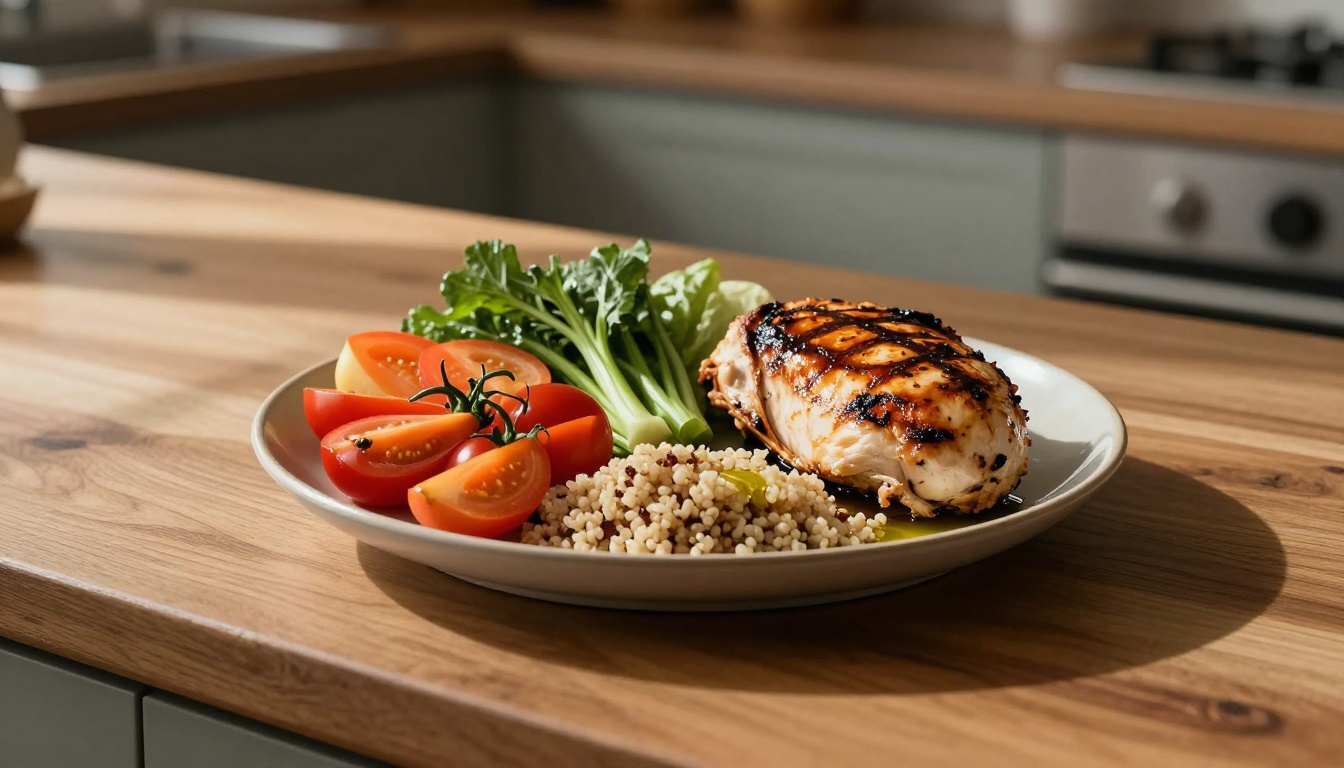
A balanced meal can change how you feel for the rest of the day. You get steadier energy, better fullness, and fewer moments where you end up hunting for snacks an hour later.
The good news is that balanced meals don’t have to be fancy, expensive, or perfect. A simple plate works well at home, about half vegetables and fruit, one quarter protein, and one quarter whole grains, plus healthy fats and dairy when it fits your needs. Let’s turn that idea into an easy routine you can actually use.
What a balanced meal looks like on your plate
A balanced meal is simply a meal built from a few smart parts. You want protein, produce, fiber-rich carbs, and some fat so the meal tastes good and sticks with you.
That idea still works well in 2026. Current U.S. guidance puts more focus on real food, enough protein, healthy fats, and cutting back highly processed foods, as explained in the USDA’s nutrition policy reset. In day-to-day life, though, a plate method is still one of the easiest ways to make those ideas practical.
Portions will look different from person to person. A teen athlete, a desk worker, and an older adult won’t all need the same amount. So the goal isn’t rigid rules. It’s a plate that feels steady, satisfying, and realistic for your life.
Use the simple plate method to build meals faster
This visual method keeps things easy when you’re tired or short on time.
Here is a quick way to picture it:
| Meal part | Easy examples |
|---|---|
| Half vegetables and fruit | Salad, roasted broccoli, carrots, berries, apple slices |
| Quarter protein | Chicken, eggs, fish, tofu, beans, Greek yogurt |
| Quarter whole grains or smart carbs | Brown rice, oats, quinoa, whole grain toast, sweet potato |
| Healthy fat | Olive oil, avocado, nuts, seeds |
| Optional dairy | Milk, cottage cheese, yogurt, cheese |
The point isn’t to hit every box with perfect math. It’s to build meals that have range.
Choose foods that keep you full and steady
Some meals look healthy but don’t hold you for long. A bowl of plain cereal or toast with jam may be quick, but it often leaves you hungry soon after.
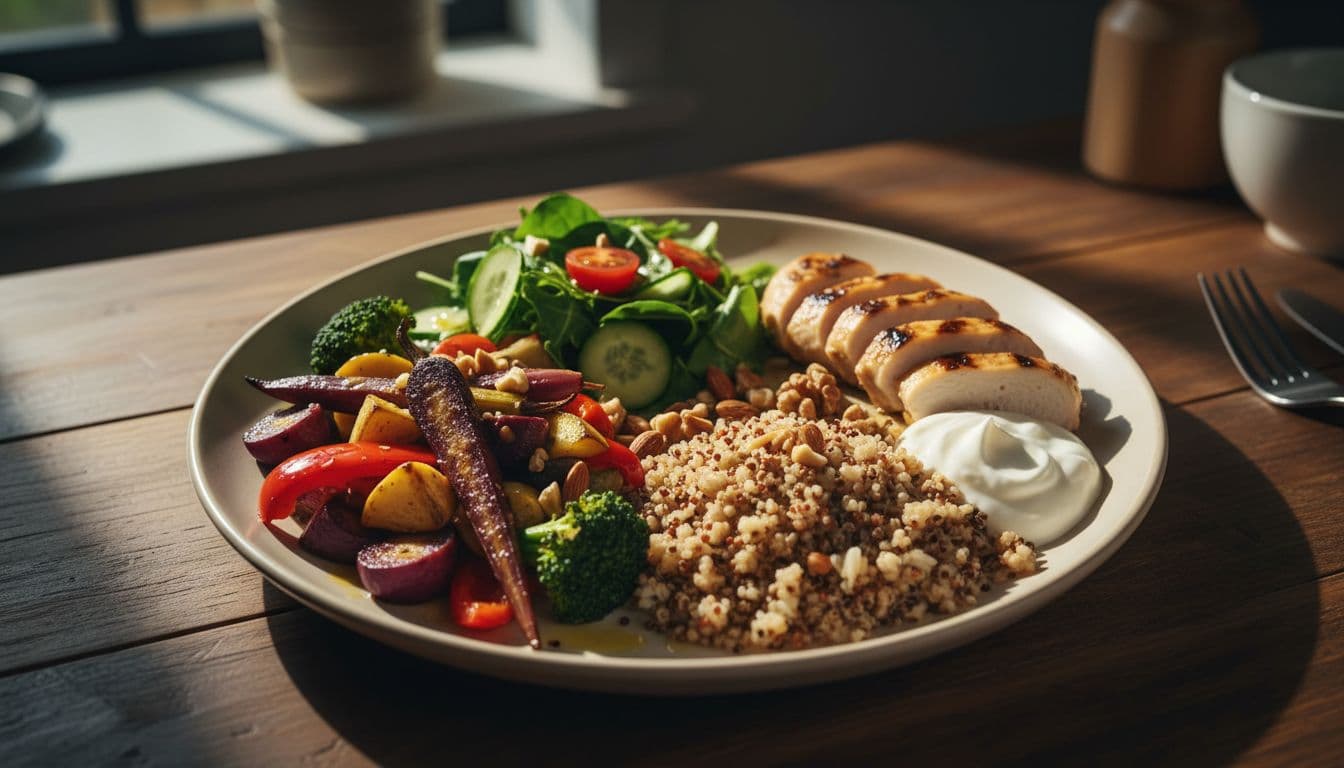
Protein helps a meal feel solid. Fiber from vegetables, fruit, beans, and whole grains slows things down. Healthy fat adds staying power and flavor. Put those three together, and meals feel less like a spark and more like a slow-burning log.
For a simple, reader-friendly look at food groups, the USDA’s nutrition and healthy eating resources still offer a helpful frame. Also, don’t forget drinks. Water, sparkling water, milk, or unsweetened tea usually fit better than sugary drinks.
Start with the right ingredients so meal prep gets easier
Balanced eating gets much easier when your kitchen has flexible basics. Think of it like keeping a small set of building blocks on hand. Then you can mix and match meals instead of starting from zero every night.
That doesn’t mean buying a cart full of specialty foods. It means choosing a few proteins, a few produce options, a grain or two, and flavor boosters that work in many meals.
Pick a few proteins, produce items, and whole grains each week
Keep your weekly list simple. Eggs, chicken, canned tuna, salmon, tofu, beans, Greek yogurt, and cottage cheese all work well. Then pair them with produce you know you’ll use, such as frozen broccoli, salad greens, bell peppers, apples, berries, or baby carrots.
Whole grains matter here because they round out meals and help with fullness. Brown rice, oats, quinoa, barley, and whole grain bread are easy to keep around. Canned beans, canned tomatoes, and frozen vegetables are also worth buying because they save time and reduce waste.
Keep smart staples on hand for healthy fats and quick flavor
Flavor is not extra. It’s one reason people stick with home cooking.
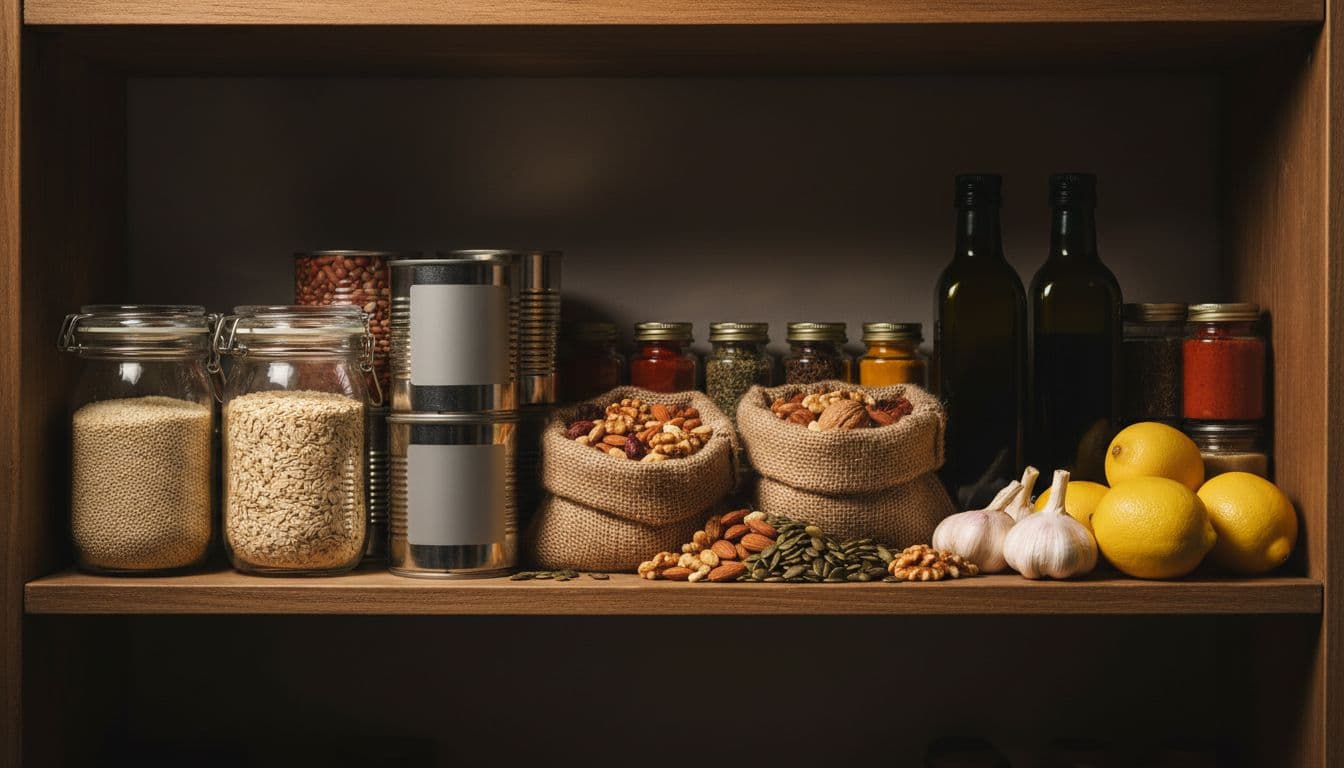
Olive oil, nuts, seeds, avocado, cheese, garlic, lemons, dried herbs, salsa, mustard, and plain yogurt can turn plain food into something you want to eat again. A spoon of pesto, a squeeze of lemon, or a handful of toasted seeds can wake up a basic bowl fast.
If you want more context on current federal advice, the Dietary Guidelines for Americans are still the main source. The big takeaway for home cooks is simple, buy foods you can reuse in several meals, and keep flavor close by.
How to prepare balanced meals at home step by step
Once you stop thinking in recipes only, meal prep gets easier. Instead of asking, “What should I make?” ask, “What’s my protein, what’s my produce, and what’s my carb and fat?” That small shift saves time.
Balance beats perfection. A good-enough meal at home is better than waiting for an ideal one.
Step 1, choose your protein first
Starting with protein gives the meal structure. It also helps the plate feel more filling.
Chicken, turkey, eggs, fish, shrimp, lean beef, tofu, tempeh, beans, lentils, and yogurt all work. If you’re busy, use shortcuts, rotisserie chicken, canned salmon, hard-boiled eggs, or seasoned baked tofu. The latest University of Maryland summary of the 2026 dietary guidelines also notes the stronger focus on protein and whole foods, which lines up with this approach.
Step 2, add colorful vegetables and fruit
Next, fill in the produce. Fresh is great, but frozen and canned work too. In real kitchens, convenience matters.
You can roast a sheet pan of vegetables, toss frozen stir-fry vegetables into a skillet, or add a side salad with olive oil and lemon. Breakfast counts too. Berries on yogurt, banana with oatmeal, or sliced fruit with eggs all help.
Color is a simple guide here. If your plate looks mostly beige, it probably needs produce.
Step 3, add a smart carb and a healthy fat
Now round out the meal with a carb that gives you steady energy. Brown rice, oats, quinoa, whole grain toast, sweet potatoes, or beans all fit well.
Then add a little fat for flavor and fullness. Olive oil, avocado, nuts, seeds, cheese, or a spoon of tahini can do the job. You don’t need much. A little often makes the meal feel complete.
At that point, you’re basically there. Protein first, produce second, then carbs and fat.
Easy balanced meal ideas for breakfast, lunch, and dinner
Balanced meals don’t need to look new every day. In fact, the easiest routine is to repeat a few combinations you like and swap the details.
That approach works well for busy weekdays because it cuts down decisions. You keep the same formula, then change the protein, grain, or vegetables.
Quick breakfast ideas that are filling and simple
Breakfast goes better when protein shows up early. It helps you stay fuller and makes sugary mid-morning snacks less tempting.
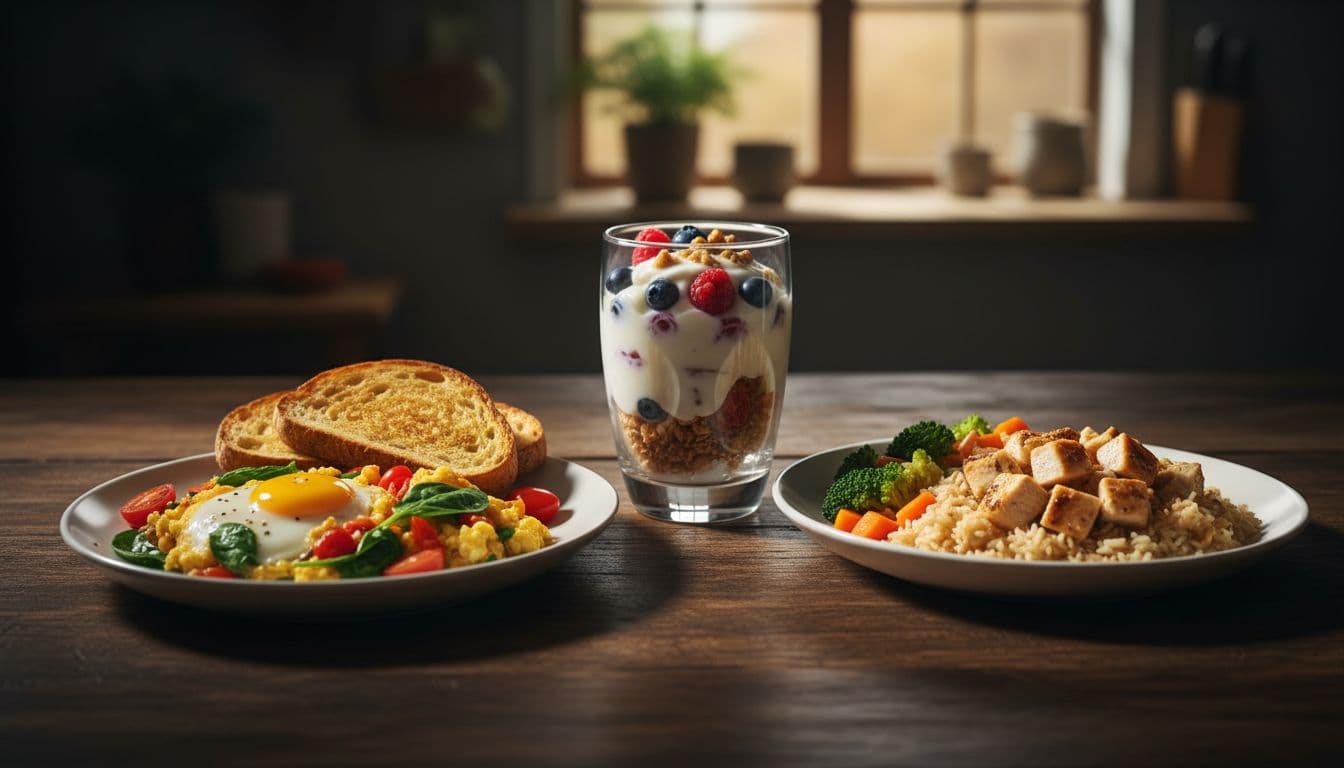
An egg and veggie scramble with whole grain toast is a classic for a reason. Greek yogurt with fruit and nuts works when you need speed. Oatmeal made with milk, plus seeds and berries, is another easy win. If you prefer savory meals, cottage cheese with tomatoes and toast also works.
Simple lunch and dinner combos you can mix and match
Lunch and dinner can follow one formula, protein plus vegetables plus grain or potato plus fat. That’s it.
Try grilled chicken with roasted vegetables and brown rice. Or make a salmon bowl with greens, quinoa, fruit, and nuts. Bean tacos with cabbage slaw and avocado work well on busy nights. So does a beef or tofu stir-fry with vegetables and barley.
If you want more mix-and-match ideas, these healthy meal prep ideas can spark new combinations without making things feel rigid.
Common mistakes that throw meals off balance, and how to fix them
Most meal problems come from missing one part of the plate. The fix is usually small.
When meals are low in protein, fiber, or produce
A meal of crackers, pasta alone, or toast by itself can leave you hungry fast. That’s not a willpower problem. The meal simply didn’t have enough staying power.
The easiest fix is to add, not subtract. Add eggs to toast, beans to rice, yogurt to fruit, or frozen vegetables to soup. A side salad, apple, or handful of berries can quickly fill the produce gap.
When convenience foods take over the whole meal
Convenience foods aren’t the enemy. Still, when the whole meal is built from refined grains, added sugars, and ultra-processed snacks, balance gets harder.
Instead of trying to cook everything from scratch, upgrade what you already buy. Add rotisserie chicken and frozen broccoli to instant noodles. Stir beans into boxed soup. Top frozen pizza with extra vegetables and a side salad. Those small shifts work better than chasing perfection.
If you want to spot the patterns that trip people up, this guide to meal prep mistakes to avoid can help.
Balanced eating at home works best when you build from simple parts, not strict rules. Start with one meal a day, use the plate method, and repeat a few combinations you enjoy until they feel normal.
That first balanced plate won’t be perfect, and it doesn’t need to be. What matters is the habit. Small, steady changes make healthy eating feel natural, and your kitchen becomes the easiest place to practice them.