Healthy food gets a bad rap for one reason: people expect it to taste flat. If you’ve ever cut back on salt or oil and ended up with a sad, bland dinner, that fear makes sense.
But flavor doesn’t come from only fat and sodium. It also comes from acid, aroma, texture, heat, and browning. That’s good news if you’re trying to support heart health, manage blood pressure, or trim extra calories without making meals feel like a chore.
The trick is simple. Don’t only remove oil and salt, replace their job with smarter flavor habits.
Understand what makes food taste good in the first place
Salt and oil matter, but they aren’t the whole band. Salt sharpens flavor and makes food taste more alive. Oil adds richness, smoothness, and that satisfying mouthfeel people miss when it’s gone. Still, both are only part of what makes a dish memorable.
Salt boosts flavor, but acid and umami can do a lot of the same work
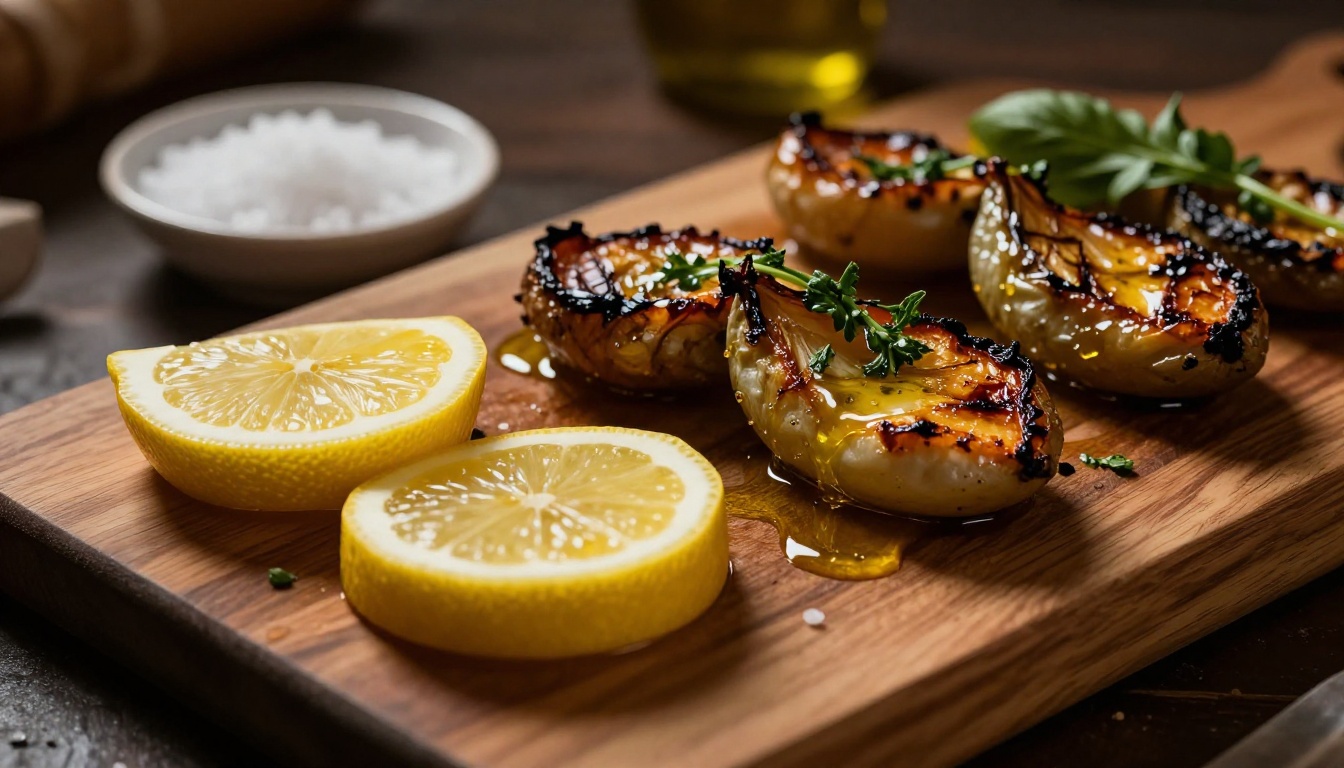
If food tastes dull, the fix often isn’t more salt. It’s contrast. A squeeze of lemon, a splash of vinegar, or a spoonful of tomatoes can wake up a dish fast. That bright edge helps flavors pop, so you need less sodium to get the same effect.
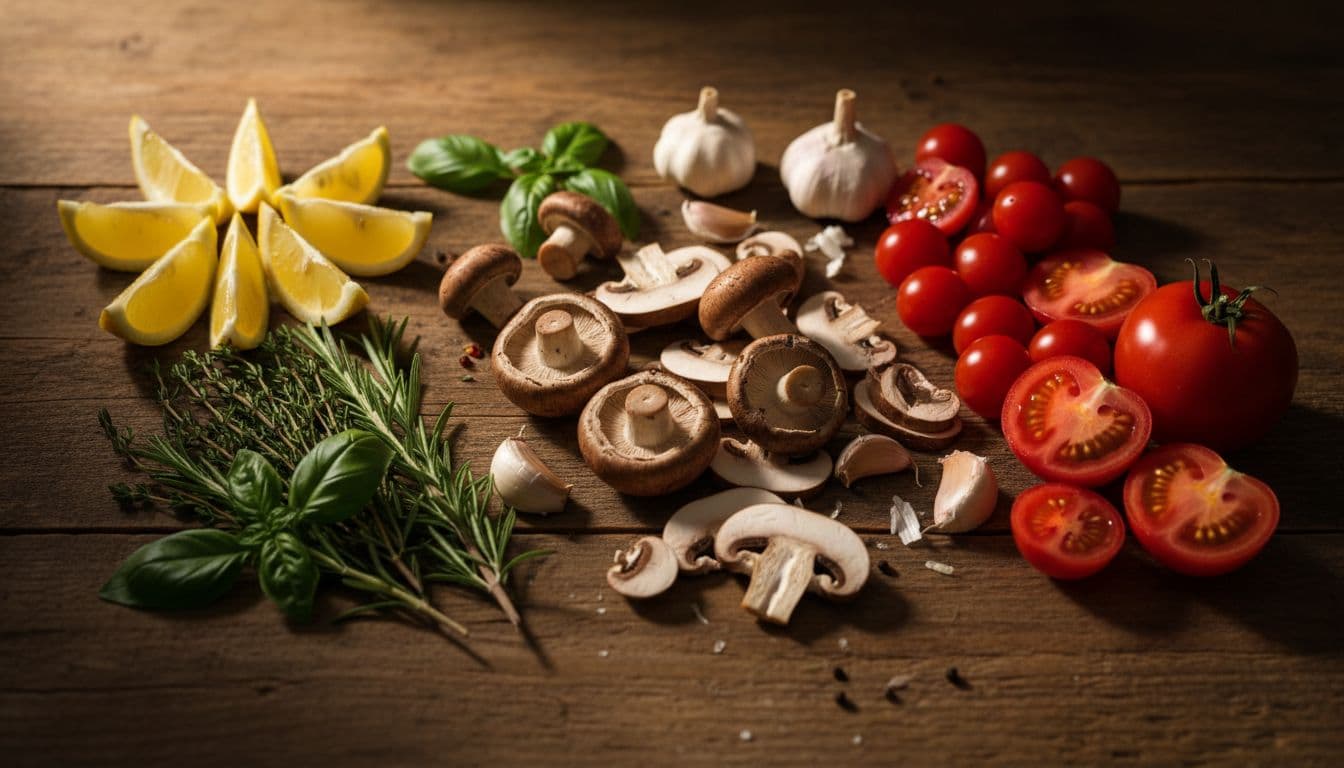
Umami helps, too. Mushrooms, onions, garlic, tomatoes, and even roasted vegetables bring depth and savoriness. Think of umami as the bass line in a song. You may not notice it right away, but you’d miss it if it vanished.
Before you reach for the salt shaker, try acid first. This works especially well in soups, beans, greens, grains, and roasted vegetables. Nutrition experts still recommend keeping sodium in check, and the American Heart Association’s current target remains no more than 2,300 mg a day, ideally 1,500 mg for many adults.
Oil adds richness and texture, but cooking method matters just as much
A lot of people think less oil means dry food. Sometimes that’s true, but only if the cooking method doesn’t do any work. Roasting, grilling, broiling, and air frying create browning, crisp edges, and deeper flavor. That’s where much of the magic lives.
Browning changes taste in a big way. It turns sweet, mild vegetables into something nutty and rich. It gives chicken and fish a more savory crust. It makes onions taste rounder and less sharp. In other words, heat can do what extra oil often gets credit for.
So instead of coating everything heavily, use enough oil to help with browning when needed, then let the pan, oven, or grill finish the job. Good flavor often comes from technique, not volume.
Simple ways to use less salt while keeping meals full of flavor
Most Americans still eat well over 3,300 mg of sodium a day, mostly from packaged and restaurant foods, not from home cooking. Small cuts can matter. Recent research highlighted by the American Heart Association newsroom points to meaningful heart benefits when sodium drops even modestly across everyday foods.
Season at the end so a little salt goes further
Salt tastes stronger on the surface of food than when it disappears into a pot early on. That’s why a small pinch at the end can make food taste better than a larger amount added too soon.
This doesn’t mean never salt during cooking. It means be strategic. For roasted vegetables, eggs, cooked grains, or chicken, finishing salt often gives more impact with less total sodium.
If you’re trying to use less salt, save part of it for the last minute. You’ll taste more, even while adding less.
This habit is easy, and that’s why it sticks.
Build flavor with citrus, vinegar, herbs, and spices first
Keep a few flavor builders within reach and meals get easier fast. Lemon on broccoli, lime in black beans, red wine vinegar in lentil soup, or balsamic on roasted carrots can wake up a whole plate. Herbs help in a different way. Rosemary, thyme, basil, cilantro, dill, and parsley add aroma, which your brain reads as flavor.
Spices work best when you treat them like ingredients, not dust. Smoked paprika adds warmth. Chili flakes add bite. Cumin gives earthiness. Garlic powder and onion powder add savory depth. Just check the label and skip garlic salt or onion salt.
For more practical low-sodium seasoning ideas, the Diabetes Food Hub’s tips for boosting flavor without salt are useful and easy to apply at home.
Watch out for hidden sodium in canned, packaged, and restaurant foods
The salt shaker gets blamed, but processed food usually does most of the damage. Canned soups, deli meats, frozen meals, sauces, snack foods, and restaurant dishes can stack up sodium fast.
Reading labels helps, but keep it simple. Look for “low sodium,” “reduced sodium,” or “no salt added” when you can. Rinsing canned beans and vegetables can lower sodium, and current expert guidance still supports that as a quick kitchen fix. Cooking more meals at home also gives you control that restaurant food rarely does.
Harvard Health offers a solid overview of strategies for cutting back on salt, including why gradual changes work better than a harsh reset.
Smart ways to cut oil without losing moisture, texture, or taste
Cutting oil doesn’t mean banning fat from your kitchen. It means using it where it adds the most value. In many dishes, oil acts like background noise. You can reduce it without missing much if moisture, heat, and timing are on your side.
Use broth, water, yogurt, or purees in place of extra oil
For sautéing vegetables, try broth or water a tablespoon at a time. This works well with onions, peppers, zucchini, mushrooms, and greens. Let the pan stay hot, stir often, and add more liquid only when needed. You still get softness and some browning, especially in a good pan.
In marinades, yogurt can stand in for part of the oil while keeping chicken or fish tender. In dressings, a little mashed avocado or white bean puree can add body. In baking, applesauce often replaces some oil in muffins or quick breads. These swaps don’t fit every recipe, but they’re great where texture matters more than richness.
Choose cooking tools and methods that need less fat
A nonstick skillet, sheet pan, parchment paper, silicone mat, or air fryer can save more oil than any fancy ingredient ever will. Those tools stop sticking, improve browning, and help food cook evenly with far less added fat.
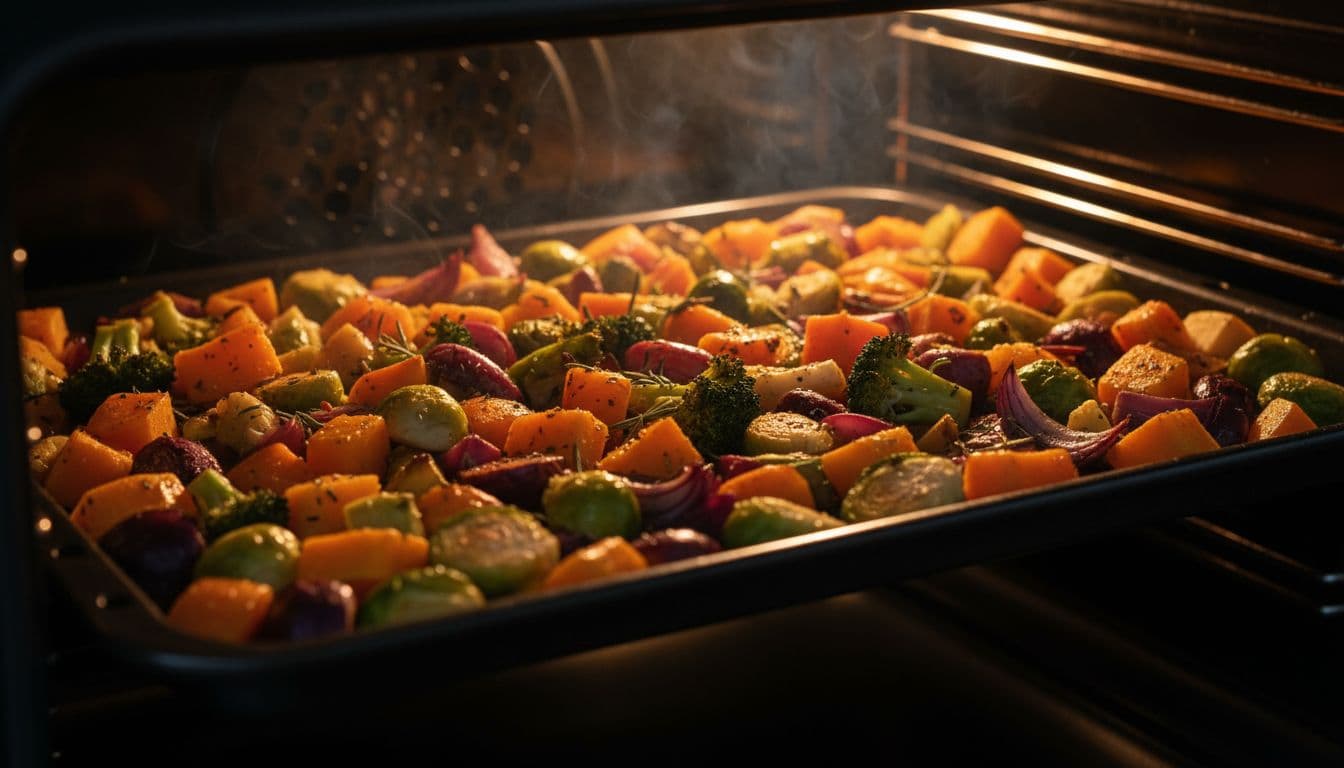
Roasting is especially useful. High heat pulls out natural sweetness and gives vegetables crisp edges. That means less need for oil to make them satisfying. Broiling and air frying do similar work. If you’ve wanted more ideas for this style of cooking, this guide to cooking without oil explains the basic methods clearly.
Save oil for finishing, when you can actually taste it
A teaspoon of good olive oil drizzled over soup, beans, grilled fish, or roasted vegetables often tastes richer than several teaspoons cooked into the dish early on. Why? Because you notice it more.
Used this way, oil becomes a flavor accent instead of a default. You still get richness, but with much less.
Put it all together with easy flavor-building habits
Once you stop relying on salt and oil as the main fix, cooking feels less random. You start building flavor in layers, like stacking blocks instead of hoping one ingredient saves dinner.
Start with aromatics, then layer acid, herbs, spice, and texture
A simple order helps. Start with onion, garlic, shallot, or celery. Add spices next, so they bloom in the heat. Then cook your main ingredient, whether that’s beans, chicken, tofu, fish, or vegetables. Finish with acid and fresh herbs.
Texture matters, too. A few toasted nuts, seeds, or crisp raw vegetables can make a low-oil, low-salt dish feel complete. Crunch wakes up the whole plate.
Cut back slowly so your taste buds have time to adjust
If you slash salt overnight, food may taste off for a while. That’s normal. Taste buds adapt, often within about 2 to 4 weeks, especially when you cut back step by step instead of all at once.
Try reducing salt by a quarter first. Then trim more the next week. Use a little less oil in the pan, but keep finishing with acid, herbs, and a small drizzle when it counts. Slow changes are easier to keep because they don’t feel like punishment.
Try a few easy meal ideas that prove less can still taste great
You don’t need complicated recipes to make this work. A few simple meals show the idea in action:
- Lemon-herb chicken: Marinate with yogurt, garlic, lemon, and herbs, then roast and finish with fresh lemon.
- Broth-sautéed vegetable stir-fry: Use mushrooms, broccoli, snap peas, ginger, and garlic, then add lime at the end.
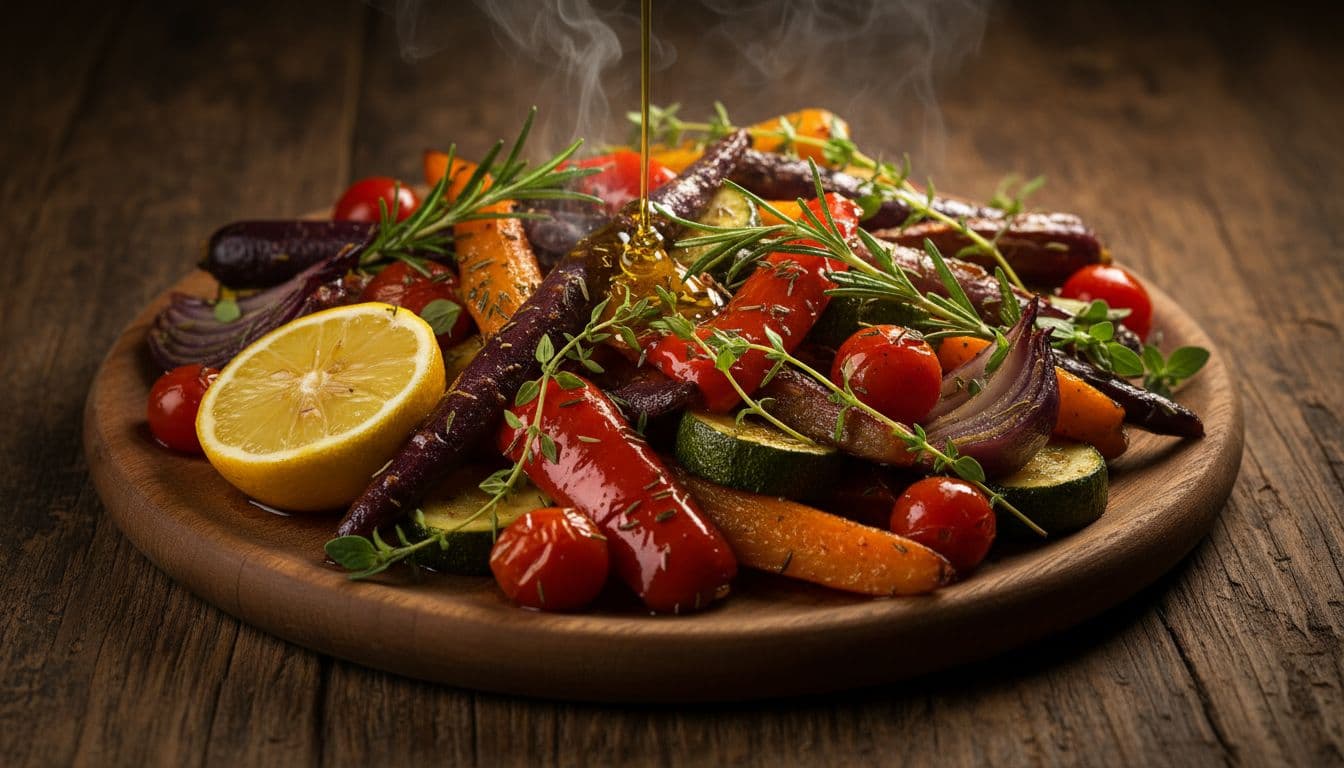
- Roasted vegetables with vinegar and herbs: Roast carrots, cauliflower, or Brussels sprouts until browned, then toss with red wine vinegar and parsley.
- Tomato-basil pasta: Simmer no-salt-added tomatoes with garlic and onion, then finish with basil, black pepper, and a small pinch of salt.
Food doesn’t turn bland when you use less oil and salt. It only turns bland when nothing steps in to replace them.
Build meals with acid, aroma, browning, herbs, spice, and texture, and the gap gets much smaller. Start with one swap at your next meal, maybe lemon instead of extra salt, or a finishing drizzle instead of a heavy pour in the pan.
That’s often all it takes to change how healthy cooking tastes.