Most people want to eat better, but vegetables often lose out to time, cost, and habit. In the US, only about 10% of adults meet daily vegetable goals, even though most adults need 2 to 3 cups a day.
If that gap feels familiar, you’re not alone. The good news is that eating more vegetables doesn’t have to mean bland salads or complicated cooking. A few simple shifts can make vegetables feel normal, not like homework.
Start with small changes you can stick with
Big food overhauls rarely last. If you try to fix breakfast, lunch, dinner, and snacks in one week, burnout usually shows up first.
A better plan is simple: add one vegetable to one meal each day. That’s it. Once that feels easy, add another. Habits grow faster when they don’t feel heavy.
Use the half your plate rule without aiming for perfection
The old idea of filling half your plate with fruits and vegetables still works because it’s easy to picture. The USDA MyPlate guide uses that visual for a reason, it helps people make a better choice fast.
Still, don’t treat it like a pass or fail test. If half your plate isn’t realistic tonight, add a side salad, microwave frozen broccoli, or put sliced cucumbers next to your sandwich. More matters, even when it’s not perfect.
Pick easy vegetables you already like first
You don’t get extra credit for forcing down kale if you hate it. Start with vegetables you already enjoy, or at least don’t mind.
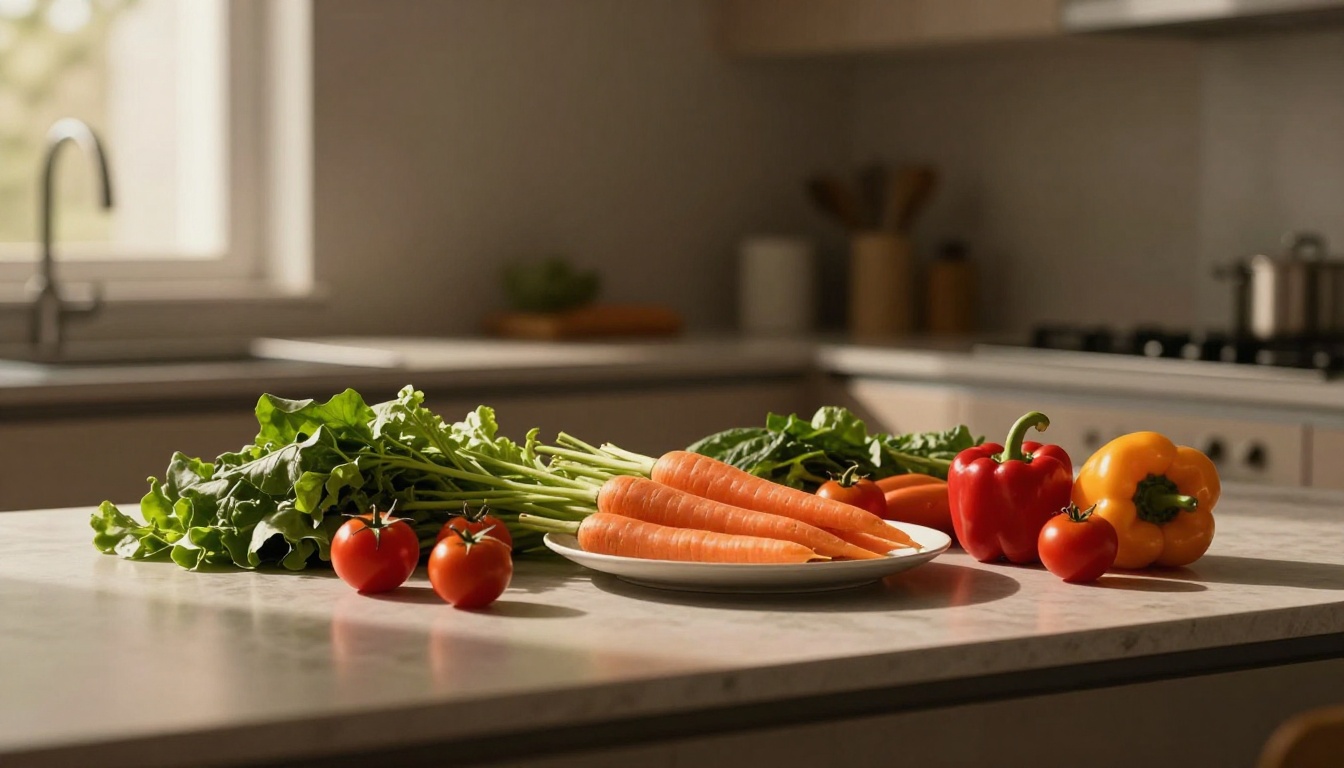
For many people, that means carrots, spinach, cucumbers, bell peppers, green beans, corn, or sweet potatoes. Familiar foods reduce friction, and low friction is what keeps a habit alive.
The best vegetable is the one you’ll eat again tomorrow.
Add vegetables to meals you already make every day
You don’t need a stack of new recipes. In most cases, the easiest win is adding vegetables to food already in your routine.
Make breakfast an easy place to add one serving
Breakfast gets overlooked, yet it’s one of the easiest places to fit in a serving. Toss spinach into scrambled eggs, add tomatoes to avocado toast, or cook mushrooms into an omelet. Even a handful of spinach in a fruit smoothie can disappear into the flavor.
If you want more ideas, these vegetable-friendly breakfast tips show how easy the first meal can be.
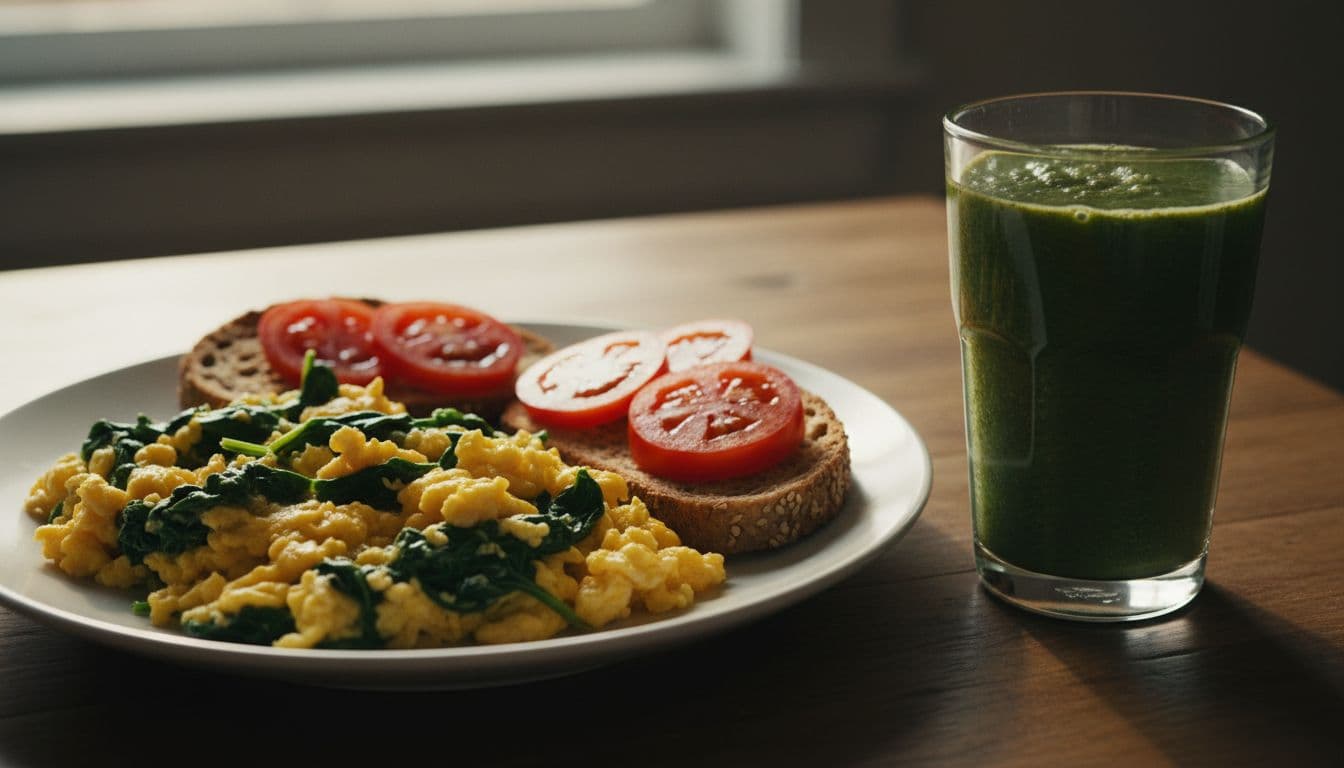
These options are quick, cheap, and easy to repeat, which is exactly what you want on busy mornings.
Turn lunch into a vegetable-packed meal without extra work
Lunch gets easier when you build on what you’re already eating. Add lettuce, tomato, cucumber, shredded carrots, or peppers to sandwiches and wraps. Stir extra vegetables into soup. Pile leftovers onto rice and top them with slaw mix or greens.
Convenience helps here. Bagged salad kits, baby carrots, pre-cut peppers, and slaw mixes save time and lower the chance that produce sits in the fridge until it’s sad and limp.
Build dinner around a vegetable instead of treating it like an afterthought
Dinner is where vegetables can do the most work. Roast a tray of broccoli, cauliflower, carrots, or Brussels sprouts while the main dish cooks. Stir mushrooms, spinach, zucchini, or peppers into pasta sauce. Add frozen mixed vegetables to tacos, stir-fries, casseroles, ramen, or soup.
Even takeout can work. If you’re ordering pizza or burgers, serve a quick side vegetable with it. A bag of steamed green beans or a simple salad can turn a one-note meal into a more balanced one.
Make vegetables easier to buy, prep, and actually eat
A lot of people don’t need more willpower. They need a kitchen setup that makes vegetables the easy choice.
Use fresh, frozen, and canned vegetables the smart way
Fresh is great, but it isn’t the only answer. Frozen vegetables count too, and they’re often cheaper, quicker, and less likely to go to waste. Many are frozen soon after harvest, so quality stays strong. This overview on frozen vegetables and nutrition explains why freezer bags can be a smart backup.
Canned vegetables can help as well, especially tomatoes, corn, pumpkin, and beans. When you can, choose lower-sodium options and rinse them before using. The goal isn’t purity. It’s making vegetables easy enough to eat often.
Prep once so healthy choices are ready all week
A little prep pays off fast. Wash greens when you get home. Cut carrots, cucumbers, and peppers for snacks. Roast a mixed tray of vegetables and keep it in the fridge for bowls, wraps, and quick dinners.
Then make them easy to see. Put ready-to-eat vegetables at eye level, not hidden behind leftovers and condiments. When healthy food is visible, it gets eaten.
Use simple flavor tricks so vegetables taste better
People often think they need more discipline. Usually, they need better flavor.
Roast, sauté, and season vegetables so they are not bland
Raw vegetables aren’t the only option, and they aren’t always the best one. Roasting brings out natural sweetness, especially in carrots, onions, broccoli, and sweet potatoes. A little olive oil, salt, garlic, and black pepper can change everything.
You can also add lemon juice, parmesan, balsamic vinegar, taco seasoning, soy sauce, or dried herbs. Small flavor boosts turn vegetables from “fine” into something you’d choose on purpose.
Try dips, sauces, and mix-ins that make vegetables more fun
Dips help, and that’s okay. Hummus, ranch, yogurt dip, salsa, pesto, and marinara can make raw or cooked vegetables easier to enjoy.
Mix-ins work too. Add spinach to pasta, peppers to pizza, mushrooms to burgers, or shredded carrots to rice bowls and sandwiches. When vegetables join foods you already love, they stop feeling like a separate task.
Eating better doesn’t require a perfect plate. It starts with one small move, like spinach in eggs, cucumbers with lunch, or frozen broccoli at dinner.
Pick one change today and repeat it tomorrow. That’s how more vegetables becomes a daily habit, not another plan you forget by next week.