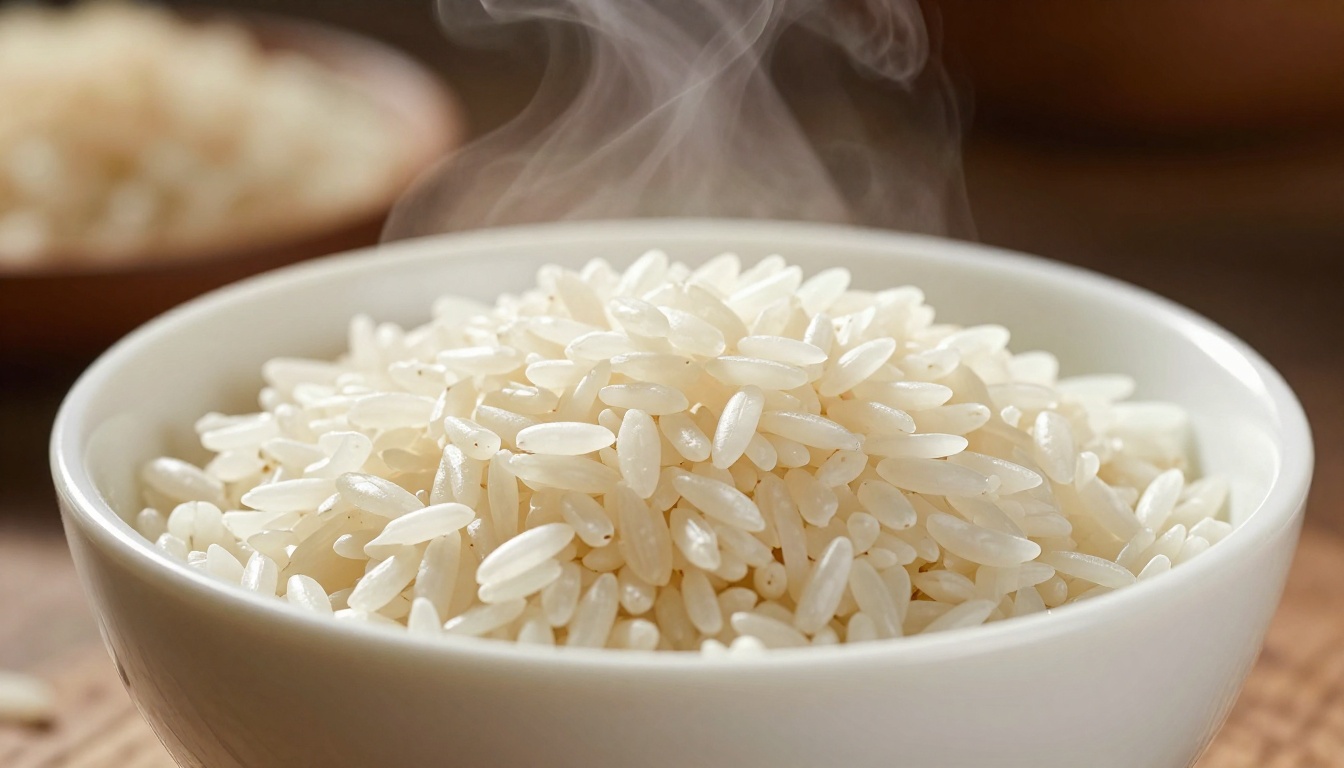
Mushy rice and hard rice are the two problems that trip up home cooks most often. The good news is that both usually come down to the same four things: water, heat, time, and rice type.
If your rice turns soft and gluey, it likely absorbed too much water or cooked too long. If it stays firm in the middle, it usually needed more moisture, more time, or more trapped steam. Once you know which clue the texture is giving you, fixing it gets much easier.
Here’s how to troubleshoot the batch in front of you and stop the same problem next time, whether you cook white rice or brown rice.
What mushy or hard rice is really telling you
Rice texture works like a report card. It tells you what happened in the pot.
Mushy rice means the grains took on too much water, or they broke down from too much heat or time. That’s why the grains split, clump, and lose that light, separate feel. Hard rice tells a different story. The outside may look done, but the center stayed dry or chalky because it never fully steamed through.
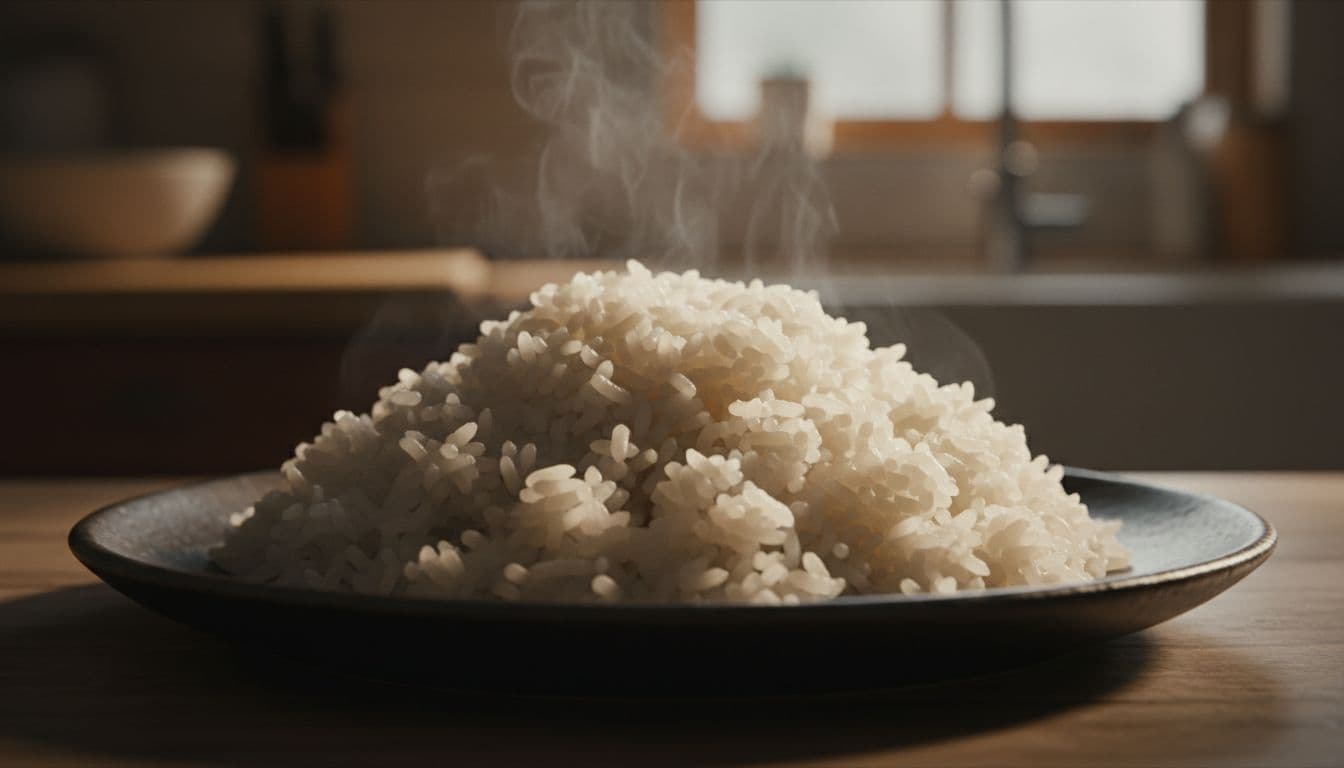
That’s why “bad rice” isn’t one problem. It’s usually a sign that one part of the process was off. In other words, your pot is telling you whether you had too much water, too little steam, too much movement, or the wrong timing.
Mushy rice points to too much water or too much cooking. Hard rice points to too little moisture, too little time, or lost steam.
Why rice gets mushy instead of fluffy
Mushy rice often starts with excess water. Even a few extra tablespoons can matter, especially with white jasmine or basmati. Overcooking causes the same trouble because the grains keep swelling until they lose structure.
Not rinsing can make things worse, too. Surface starch coats the grains, and that starch turns sticky as it cooks. That’s why fragrant long-grain rice often comes out fluffier after a rinse. For a deeper look at the causes, this guide on why rice turns mushy explains how water, starch, and stirring affect texture.
Stirring is another common problem. Rice isn’t pasta. Once the water goes in, too much stirring rubs starch off the grains and makes the pot gluey.
Heat matters as well. If the pot boils too hard for too long, the bottom can overcook while the top turns wet and heavy. On the other hand, if the heat stays too low before the simmer settles, the rice may sit in water too long and swell unevenly.
Why rice stays hard, dry, or crunchy
Hard rice usually means the center never finished cooking. The most common cause is too little water. After that, the next biggest cause is not cooking long enough.
Lifting the lid can also ruin texture. Rice cooks with trapped steam, not only with the liquid sitting in the pot. Every peek lets heat and moisture escape. Then the outside cooks faster than the middle.
A weak or uneven simmer can leave some grains tender and others crunchy. That happens often on stoves that run hot and cool in cycles. Brown rice adds one more challenge because it needs more water and more time than white rice. Long-grain rice can also dry out if you use a short-grain ratio.
If the center tastes chalky, think undercooked, not ruined. In most cases, hard rice can still be saved.
The biggest mistakes that ruin rice at home
Most rice failures happen before the pot ever reaches the simmer. A small error in measuring, rinsing, or resting can snowball into mushy or hard grains by dinner.
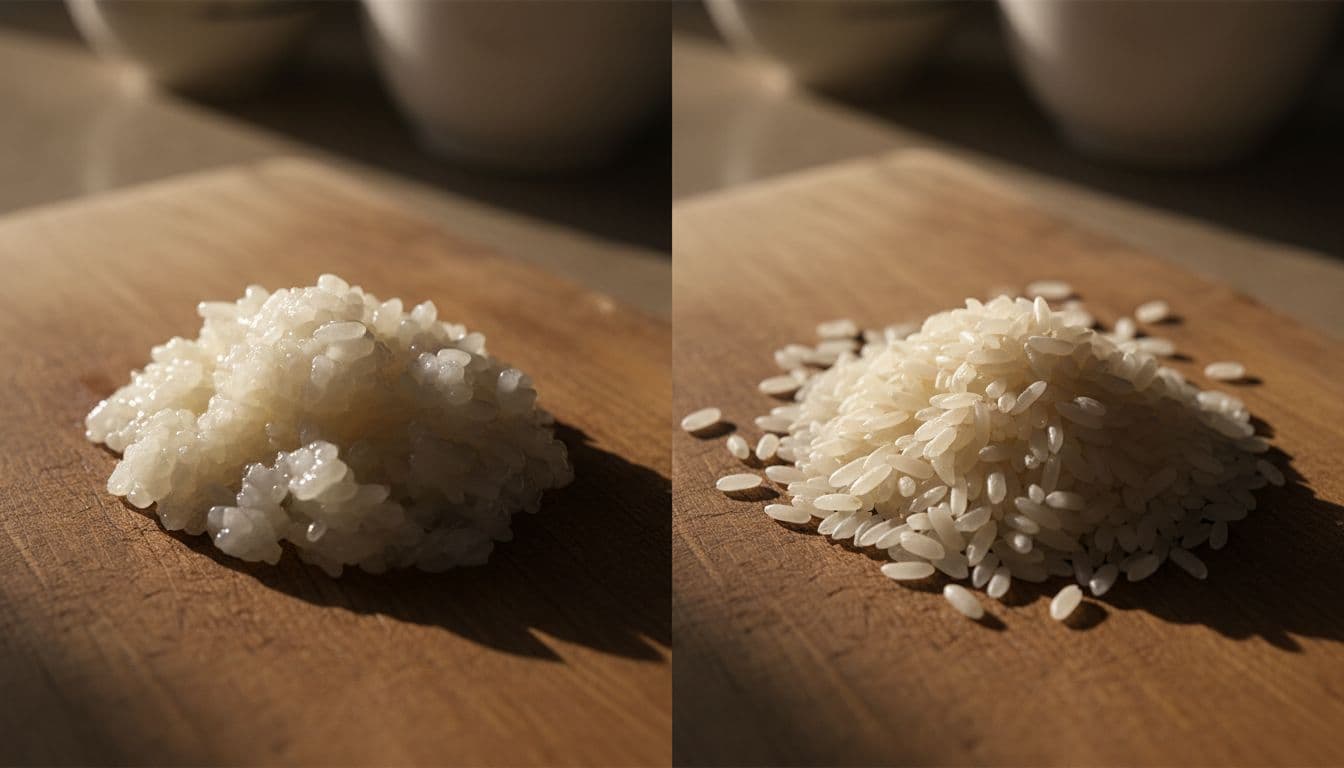
If this keeps happening, pay attention to your habits in order. Measure first, rinse with purpose, keep the lid on, then let the rice rest. Those four stages solve most texture problems. You can also compare your routine with these biggest rice cooking mistakes to spot what’s throwing off your results.
Using the wrong water ratio for the kind of rice you made
Different rice types absorb water at different rates. That’s why one ratio won’t fit every pot.
Here’s a simple stovetop starting point for common long-grain rice types in the US:
| Rice type | Water for 1 cup rice | Usual stovetop note |
|---|---|---|
| White jasmine | 1.25 cups | Best for fluffy grains |
| White basmati | 1.5 cups | Some brands do well at 1.25 |
| Brown jasmine | 2 to 2.25 cups | Needs a longer simmer |
| Brown basmati | 2 to 2.25 cups | Check package for small tweaks |
These are strong starting points, not iron rules. Brand age, pot width, tightness of lid, and whether you rinsed the rice can all shift the result a bit. For example, current guides for jasmine brown rice cooking often start at 2 cups of water per cup of rice, then adjust by cookware.
The takeaway is simple: white rice usually needs less water than many old package formulas suggest, while brown rice still needs more.
Skipping the rinse, or rinsing when texture matters
Rinsing removes loose starch from the surface. That helps prevent gummy rice, especially with jasmine and basmati. A quick rinse under cold water until it runs clearer is usually enough.
Still, not every bag should be treated the same way. Some enriched rice has a coating added after processing. If that matters to you, check the package before rinsing. In that case, the bag’s directions should guide you.
Taking the lid off, stirring too much, or not letting rice rest
Steam finishes the job. When you lift the lid, you let that steam escape before it can soften the center of each grain.
The same goes for stirring. Once the pot is covered and simmering, leave it alone. After the timer ends, don’t rush to fluff it. Let the rice rest, covered and off the heat, for about 10 minutes. That short pause helps moisture even out, so the top isn’t wet and the bottom isn’t dry.
How to fix rice that is already mushy or hard
A bad batch doesn’t always belong in the trash. Some rice can bounce back. Some can only improve a little. The key is knowing which kind of problem you have.
A quick fix for mushy rice that is too wet
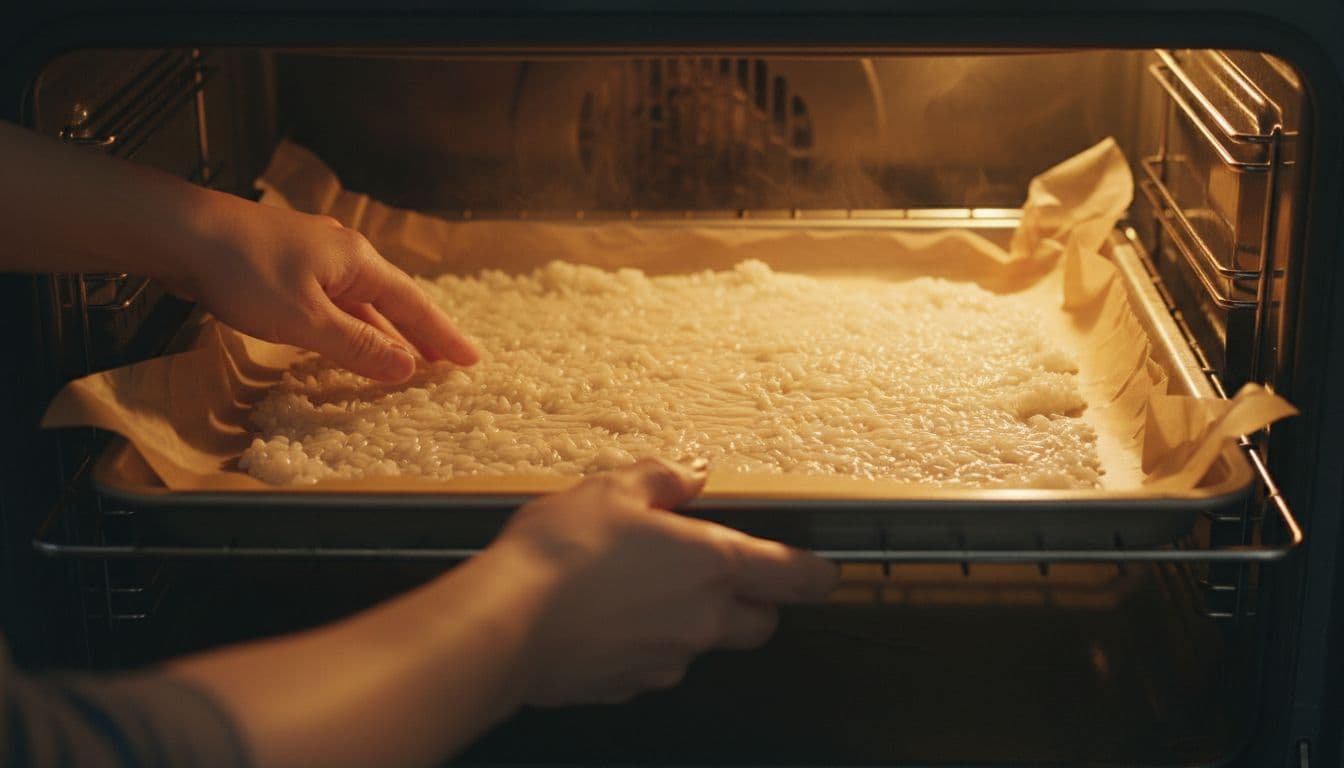
If the rice is soggy but not totally broken down, spread it in a thin layer on a parchment-lined baking sheet. Bake it at 325 degrees F for 5 to 10 minutes. Check every 5 minutes so it dries without turning hard.
This won’t turn badly overcooked rice into perfect pilaf. Still, it can pull out extra moisture and improve the texture enough for dinner. If the grains are already split and sticky, it may be smarter to repurpose them in fried rice, soup, or rice pudding. These ways to fix soggy rice can help if you want more rescue ideas.
An easy way to soften rice that is still hard in the middle
Hard rice is usually easier to save. Add about 1/4 cup hot water per cup of cooked rice. Then cover the pot and steam it on low for 5 to 10 more minutes.
The hot water creates fresh steam fast, which helps the dry centers finish cooking. When it works, the grains lose that chalky bite and turn tender. If the bottom seems dry, use a tight lid and keep the heat low so the added water doesn’t vanish too fast.
How to cook rice right the first time, every time
Good rice is less about luck and more about a repeatable pattern. Measure carefully, match the ratio to the rice, trap the steam, then let the pot rest before fluffing.
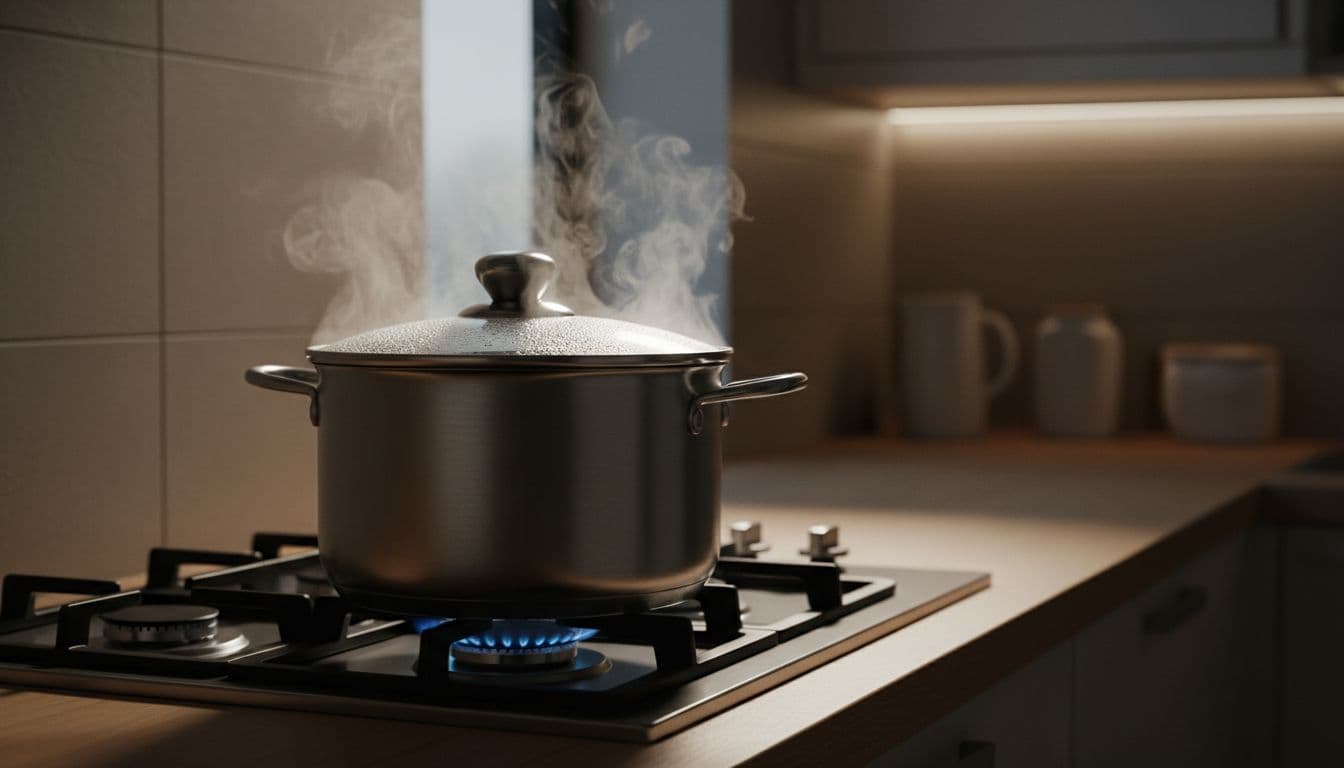
Match the method to your kitchen, stovetop, rice cooker, or Instant Pot
The stovetop works well because it’s simple and familiar. Still, it also loses the most steam, so the water ratio often runs a little higher.
Rice cookers are more forgiving. They keep the heat steady and trap moisture well, which helps beginners avoid both mushy tops and hard centers. If you switch methods often, a rice-to-water ratio chart for all methods can help you avoid guessing.
Instant Pots are different again. For most white rice, about 1 cup rice to 1 cup water is a solid starting point, followed by a short cook time and natural release. That sealed environment means less evaporation. If you use pressure cooking often, these Instant Pot rice ratios and times make the differences easier to see.
A simple rice checklist for fluffy grains every time
Use this routine when you want dependable results:
- Measure carefully with the same cup for rice and water.
- Rinse if needed, especially for jasmine or basmati.
- Use the right pot size, not one that’s too wide and shallow.
- Bring the water to a boil, then cover and lower to a gentle simmer.
- Don’t peek while it cooks.
- Rest the rice for 10 minutes off the heat, lid still on.
- Fluff gently with a fork, not a spoon.
If your stove runs hot or cool, test small batches and adjust one thing at a time. That’s how you find the ratio and timing that fit your kitchen, not someone else’s.
Rice can feel fussy, but the problem is usually small and fixable. Most batches go wrong because of water, time, steam loss, or using the wrong ratio for the rice you chose.
The best move is to change one variable next time, not five. Keep a quick note on the rice type, water amount, and cook time, and your good batch becomes your new default.
The next time your rice turns mushy or hard, treat it like a clue, not a failure. That small shift makes fluffy rice much easier to repeat.