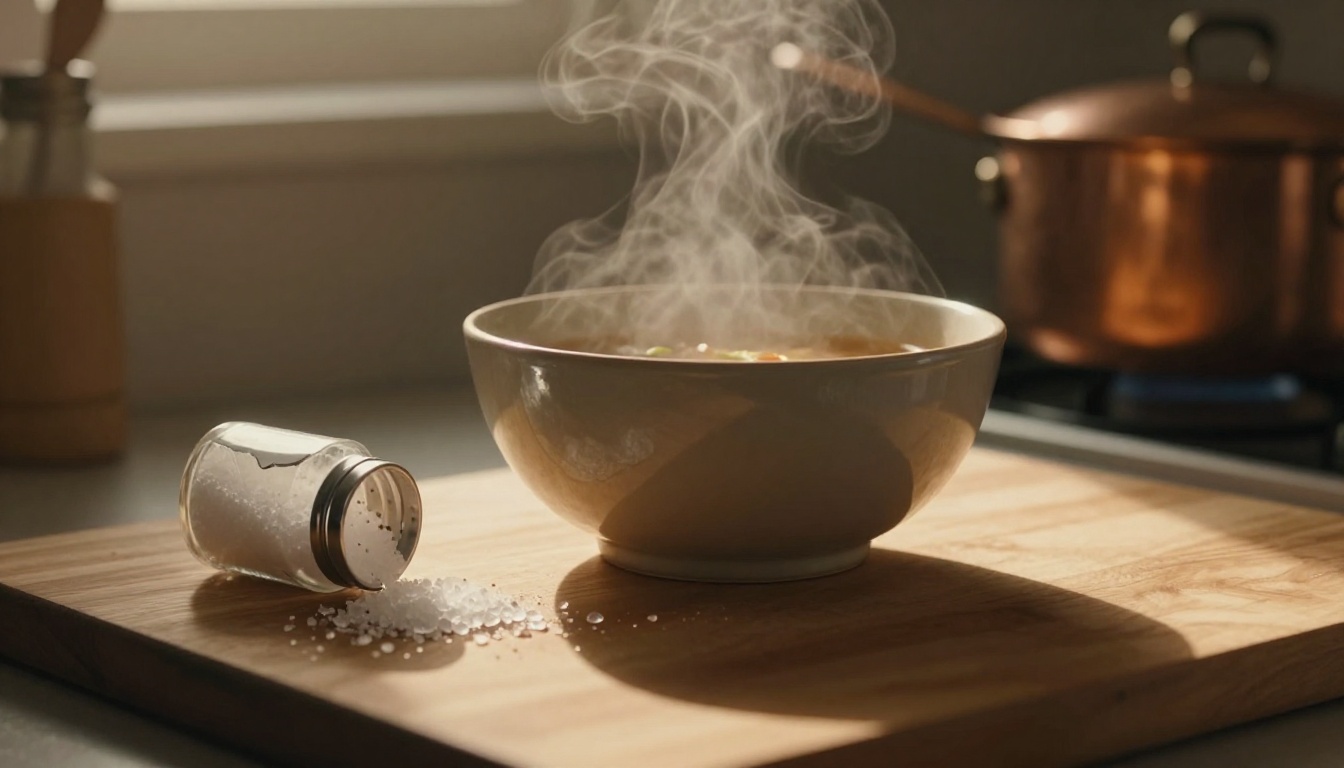
One heavy-handed shake of salt can make dinner taste like seawater. It happens fast, especially when broth, cheese, soy sauce, bacon, or olives are already doing some of the salting for you.
The good news is that a salty dish often can be saved. The best fix depends on what you made, how salty it is, and whether the food is still separate or already mixed together. Start calm, because panic additions can wreck the texture and the flavor.
First, figure out how salty the dish really is
Before you fix anything, stop seasoning. Then taste a small spoonful, not a giant bite, and let it sit on your tongue for a second. Some foods seem saltier as they cool, and reduced sauces often get saltier as moisture cooks off.
Also, think about where the salt came from. It may not have been the shaker. Canned broth, Parmesan, cured meat, jarred sauce, and briny add-ins can push a dish over the edge without much warning.
Taste before you try to fix anything
A dish that is slightly salty needs a light touch. A dish that tastes harsh, sharp, or almost bitter from salt needs a bigger move, usually more volume.
Don’t start tossing in lemon, sugar, butter, and potatoes all at once. That’s like trying to fix a crooked picture by pushing every side. Take one step, taste again, then decide.
If you want a second opinion on the basics, Martha Stewart’s guide to fixing salty dishes covers the same first rule: taste before you act.
Match the fix to the kind of dish you made
Soup, gravy, pasta, roasted vegetables, and braised meat don’t need the same rescue plan. Wet dishes are easier, because you can dilute them. Separate ingredients are also easier, because you may be able to rinse or pair them with bland foods.
Once you know what kind of problem you have, the next step gets much simpler.
Use the right fix based on what you cooked
The most reliable fixes either dilute the salt or spread it through more food. Other tricks, like acid or fat, don’t remove salt, but they can make it feel less strong.
Add more liquid to soups, stews, and sauces
If your soup, stew, chili, or sauce is too salty, add more unsalted liquid. Water works. Unsalted broth works better when you don’t want to thin the flavor. Milk or cream can help in creamy soups, curries, and pan sauces.
Add a little at a time, stir, and simmer for a few minutes. If the texture gets thin, let it reduce gently after the flavor comes back into balance.

For soups and sauces, that simple dilution method is usually stronger than any trick ingredient. Foodal’s oversalted soup and sauce tips line up with this approach.
Stretch the recipe with more ingredients
Sometimes the smartest move is to make more food. Add extra vegetables to a stew. Stir more beans into chili. Fold more cooked rice into a skillet meal. Toss more pasta with a salty sauce. Build out a casserole with unsalted meat, potatoes, or sauce base.
This works well when the dish still tastes good, but the salt is too loud. You get a better balance, and you may get tomorrow’s lunch too.

Balance the flavor with acid, fat, or a little sweetness
Lemon juice, vinegar, or tomato paste can pull attention away from salt. Butter, olive oil, yogurt, or cream can soften the edge. In a few dishes, a tiny bit of sugar or honey can round things out.
The key word is tiny. Too much acid makes the dish sour. Too much sweetness makes it strange, not better. Think of these as tuning knobs, not rescue boats.
Acid and fat can distract from saltiness, but they do not remove salt.
What to do for salty pasta, vegetables, and other separate ingredients
When the food hasn’t fully become one dish yet, you have more room to fix it cleanly.
Rinse over-salted ingredients when it makes sense
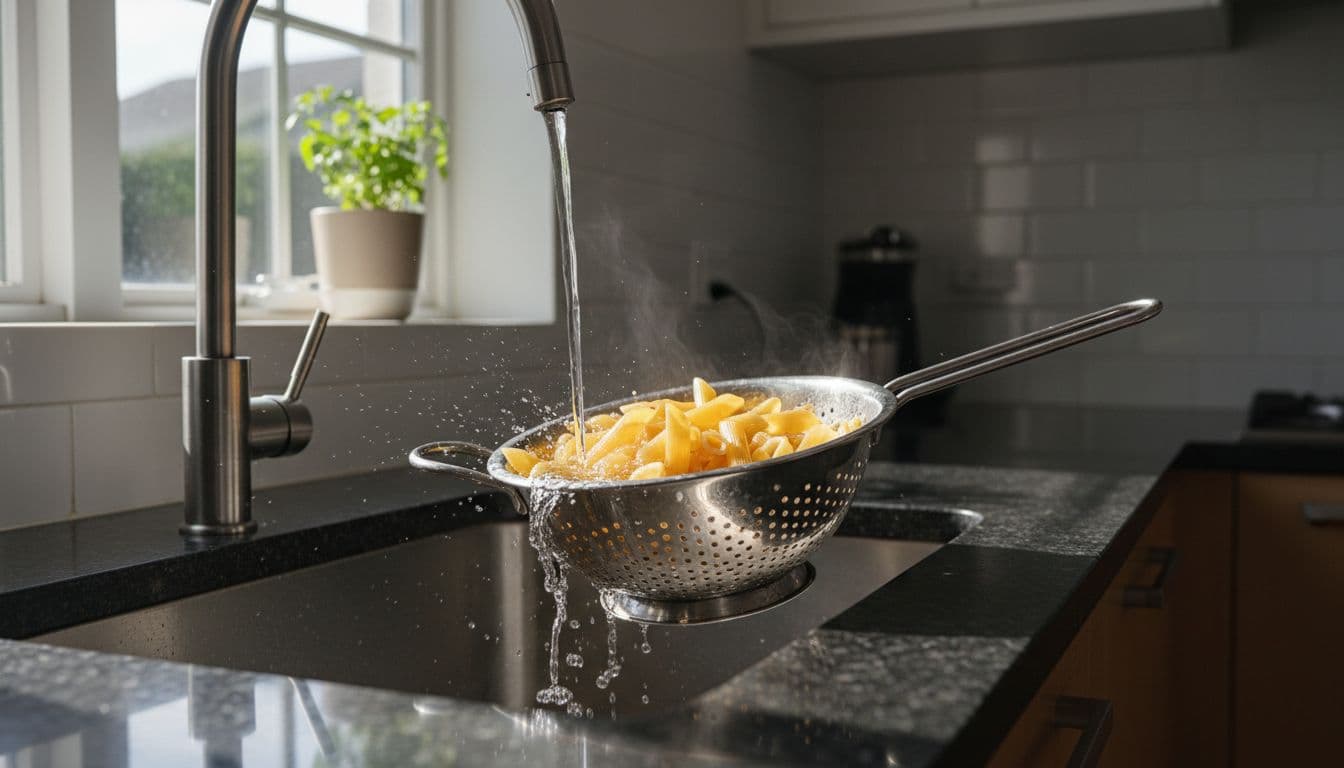
This works best when the salt is mostly on the outside. Cooked pasta, canned beans, blanched vegetables, and some salted meats can lose some surface salt under cool water or with a short soak.
Drain well, then warm the food again in a low-salt sauce or with fresh ingredients. Don’t expect miracles if the salt has cooked deep into the food, but for pasta and vegetables, rinsing can help a lot.
Pair salty ingredients with bland ones
If roasted vegetables came out too salty, mix them into plain rice, couscous, or quinoa. If a steak or chicken breast is too salty, slice it thin and serve it over unsalted mashed potatoes or grains. If pasta is too salty, toss it with unsalted butter, plain cream, or extra vegetables before serving.
This move doesn’t erase the salt. Still, it balances each bite, and that’s what your guests will notice most. The Pioneer Woman’s advice on salty food also leans on this same idea of pairing and stretching.
Common fixes that help, and mistakes that can make it worse
Not every kitchen myth deserves your trust.
Why the potato trick only helps a little
A potato in salty soup is not magic. It may absorb some seasoned liquid while it cooks, and that can soften the result a bit. But it doesn’t pull all the salt out of the pot like a sponge from a spill.
If you already want potato in the dish, go ahead. If you need a dependable fix, dilution usually works better.
Do not keep adding acid or sugar without a plan
Many people keep squeezing lemon or pouring in honey because the dish still tastes salty. Then the food ends up salty and sour, or salty and sweet.
Make small changes, taste after each one, and combine methods when needed. For example, add more broth first, then a little lemon at the end if the flavor still feels heavy.
Dinner doesn’t have to go in the trash because the salt got away from you. Pause, taste, then choose the fix that fits the dish.
Most of the time, adding more liquid or more ingredients gives the best result. Acid, fat, and a touch of sweetness can help, but they work best as support, not as the whole plan.
Next time your hand slips, treat it like a detour, not a disaster. A calm fix usually saves the meal.