Few kitchen jobs seem easier than boiling eggs, yet they still go wrong all the time. One batch turns out too runny, the next goes chalky, and the shells cling like glue.
The fix is simple. Start with large, fridge-cold eggs, use boiling water first, and time them with care. Once you lock in the method, you can repeat it whenever you want soft, jammy, or fully set yolks.
What you need before you start boiling eggs
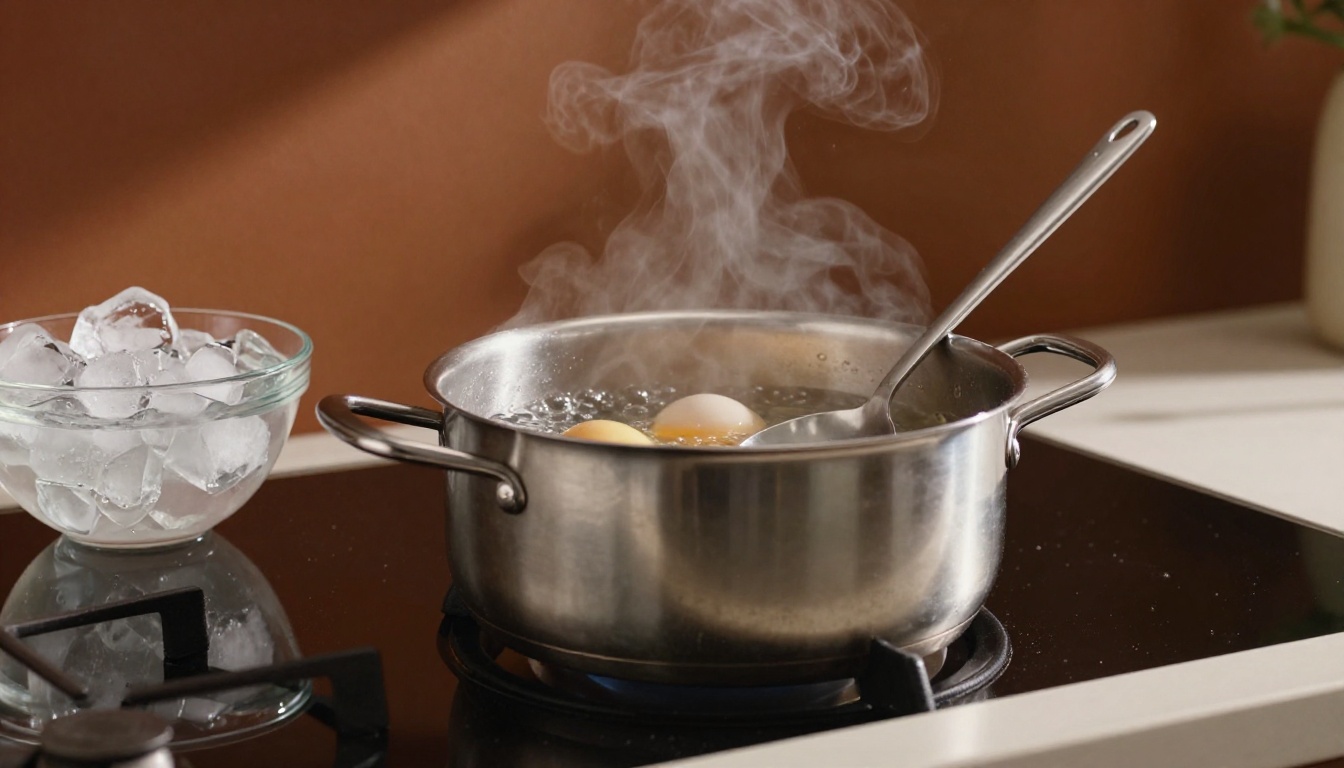
Keep it basic. You need a pot, water, large eggs, a slotted spoon, a timer, and a bowl of ice water. That’s it.
Large eggs give the most steady timing, so they’re the best choice for a reliable result. Also, eggs that are about 1 to 2 weeks old usually peel better than eggs that are extra fresh. For the times below, start with eggs straight from the fridge.
Why egg size, starting temperature, and altitude change the cooking time
Small eggs cook faster. Extra-large eggs need a bit more time. Room-temperature eggs also cook faster than cold ones, so the same timer won’t always give the same yolk.
Altitude matters too because water boils at a lower temperature higher up. If you live well above sea level, start by adding about 1 extra minute and test from there. For a helpful timing comparison, see this boiled egg timing guide.
Even with a good method, your stove and pot can shift the result by 30 seconds. That’s normal. Think of timing eggs like toasting bread, close counts, but small changes show up fast.
The best way to boil eggs step by step
This method gives the most steady results because the clock starts from one clear point, the moment the eggs hit boiling water.
- Fill a pot with enough water to cover the eggs by about 1 inch.
- Bring the water to a full boil.
- Lower the cold eggs in gently with a slotted spoon.
- Reduce the heat to a gentle boil or rapid simmer.
- Start the timer right away.
- When time is up, transfer the eggs to an ice bath for 5 to 10 minutes.
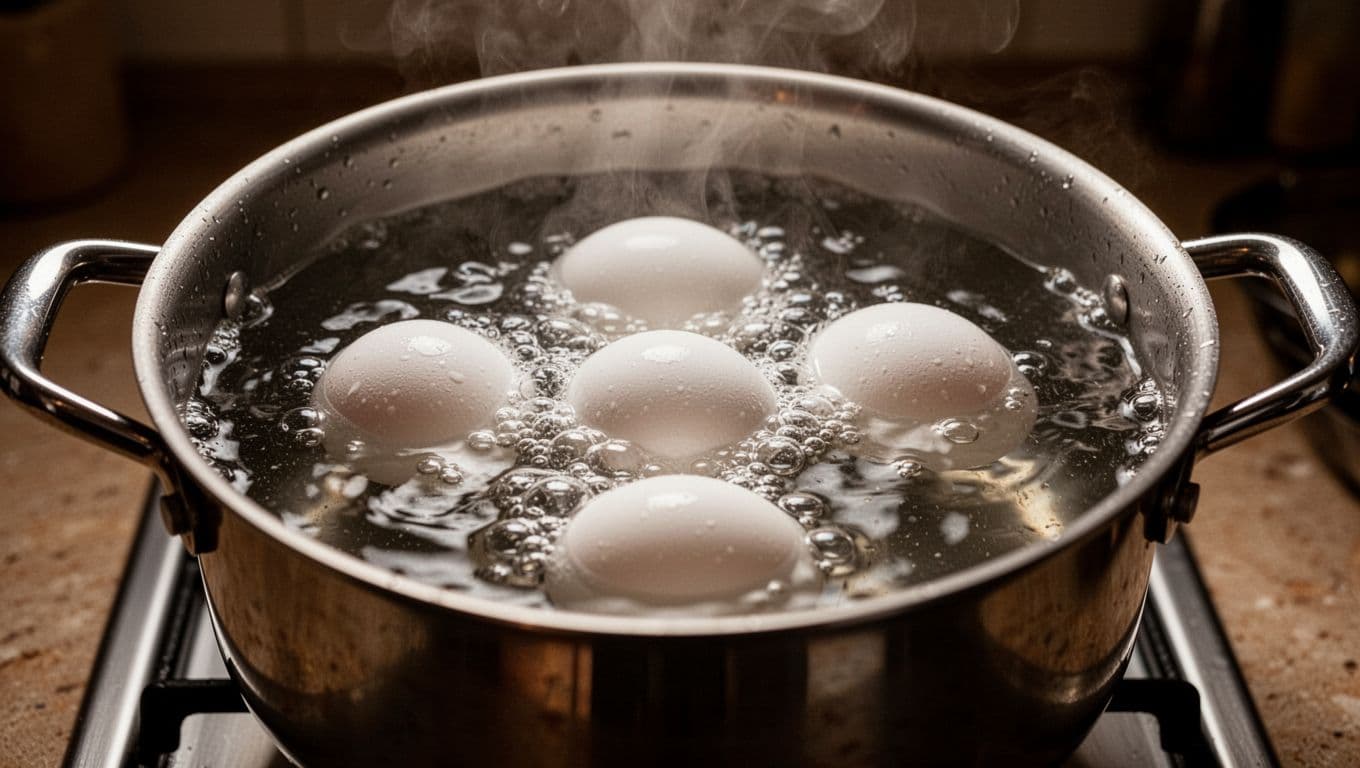
This approach helps in three ways. First, it lowers the odds of cracks. Next, it stops guesswork about when cooking begins. Finally, the ice bath stops carryover cooking and makes peeling easier.
Start timing the second the eggs enter the boiling water, not when the pot settles down again.
How to lower eggs into boiling water without cracking them
Use a spoon or skimmer and lower each egg slowly. Don’t drop them in. A hard hit against the pot is the fastest way to crack a shell.
Also, don’t crowd the pot. If the eggs are packed too tightly, the water cools too much and the boil becomes uneven. Give them space so the heat stays steady.
Why the ice bath matters more than most people think
The ice bath isn’t optional if you want control. It stops cooking fast, so soft yolks stay soft and hard yolks stay tender.
It also helps with peeling. As the egg cools, the shell and membrane loosen a bit, which means fewer torn whites later.
Exact timing for soft, medium, and hard boiled eggs
For large, fridge-cold eggs lowered into already boiling water, use these times:
| Yolk style | Time | What to expect |
|---|---|---|
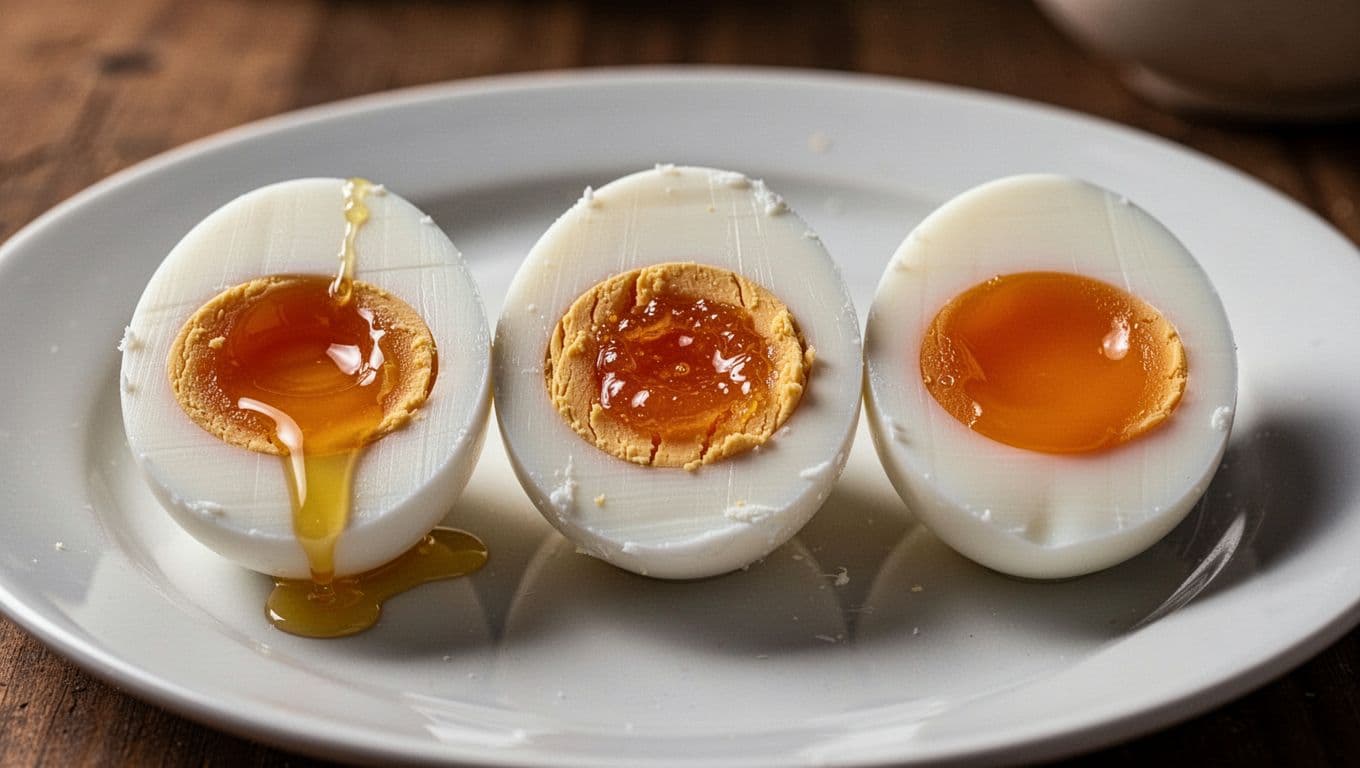
| Soft | 6 minutes | Set white, liquid center |
| Jammy to medium | 6.5 to 8 minutes | Thick, glossy yolk to creamy center |
| Hard | 10 to 12 minutes | Fully set yolk, still tender |
Go past 14 to 15 minutes and the texture often falls apart. The whites can turn rubbery, and the yolks can become dry.
Soft boiled eggs, what 6 minutes looks like on the inside
A 6-minute egg has a tender white and a loose, runny center. Cut it open and the yolk flows like warm sauce.
That’s perfect for toast soldiers, ramen, or grain bowls. If you want a little less flow, add 30 seconds the next time.
Medium boiled eggs, when to choose a jammy or creamy yolk
This is the sweet spot for many people. At 6.5 to 7 minutes, the yolk is loose and jammy. By 8 minutes, it turns more creamy and set.
These eggs work well on salads, avocado toast, and lunch bowls because the yolk stays rich without spilling everywhere. If you want another visual point of reference, this jammy egg guide can help.
Hard boiled eggs, how to get fully set yolks without overcooking
For classic hard-boiled eggs, aim for 10 to 12 minutes. The yolk should be fully cooked but still moist, not dry and crumbly.
If you see a green-gray ring around the yolk, the eggs cooked too long or cooled too slowly. They’re still safe to eat, but the texture and flavor won’t be as good.
How to peel boiled eggs easily and fix common problems
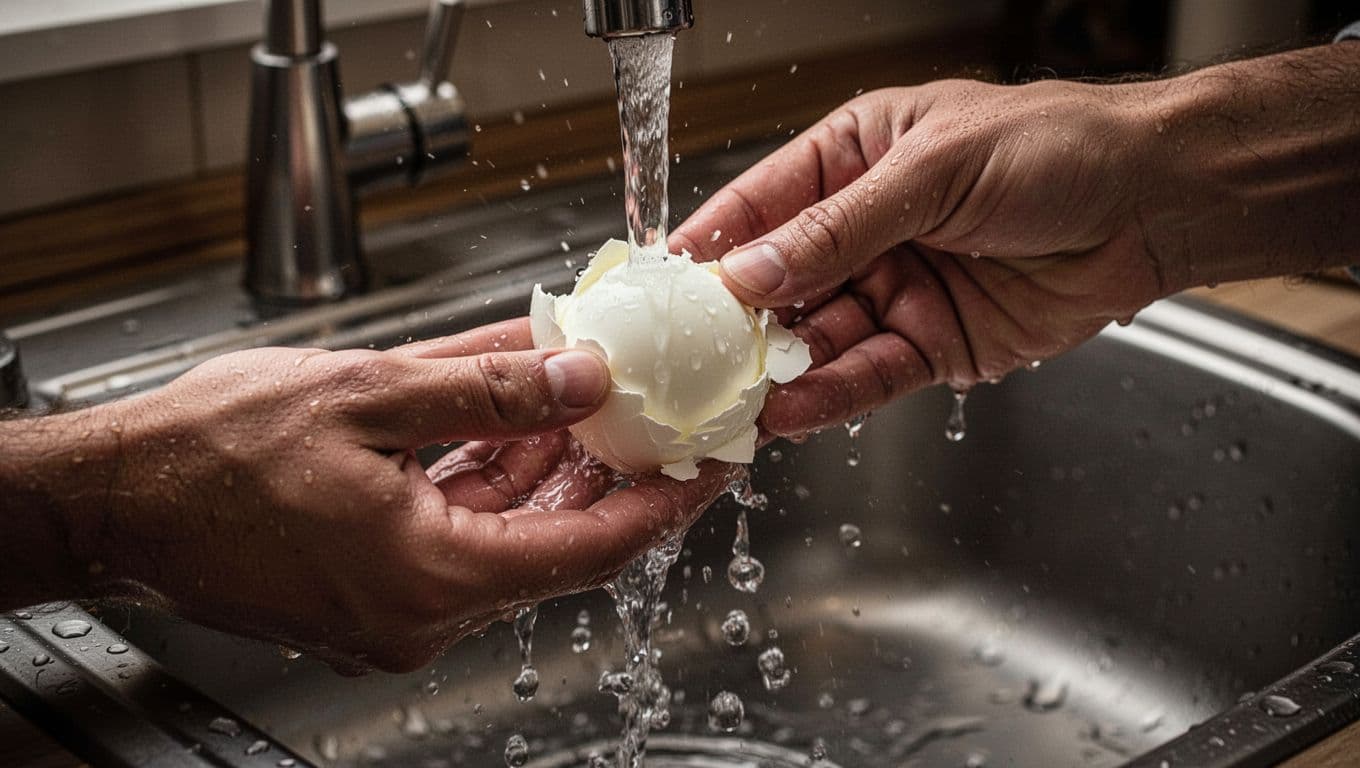
Peel eggs under cool running water if you can. Start at the wider end, where the small air pocket sits, because that spot usually gives the shell a better place to lift.
Slightly older eggs tend to peel better than very fresh ones. That one small detail can save a lot of frustration.
Why boiled eggs crack, stick, or get that green ring around the yolk
Cracks usually come from rough handling or a hard, rolling boil. Sticking often happens with fresh eggs, especially if you skip the ice bath.
That green ring appears when eggs stay hot too long. Quick cooling helps prevent it. For more peeling tips, this easy-peel egg method is a useful reference.
Common mistakes are easy to fix. Don’t overcrowd the pot, don’t boil too violently, and don’t forget to start the timer at the right moment.
How to store boiled eggs safely after cooking
Keep boiled eggs in the fridge at 40°F or below. Unpeeled hard-boiled eggs can stay there for up to 1 week.
Peeled eggs are best within 2 days for quality, stored in an airtight container. Soft-boiled eggs are best the same day, though you can chill them for up to 2 days and reheat gently. Label the date so you don’t have to guess later. This hard-boiled egg storage guide offers a clear safety rundown.
Great boiled eggs come down to one easy formula: boil the water first, use cold large eggs, time them carefully, and chill them in ice water. That’s the difference between a silky yolk and a dry one.
Start with 6 minutes for soft, 6.5 to 8 minutes for medium, and 10 to 12 minutes for hard. Once you find your favorite timing, you’ll be able to make it the same way every time.