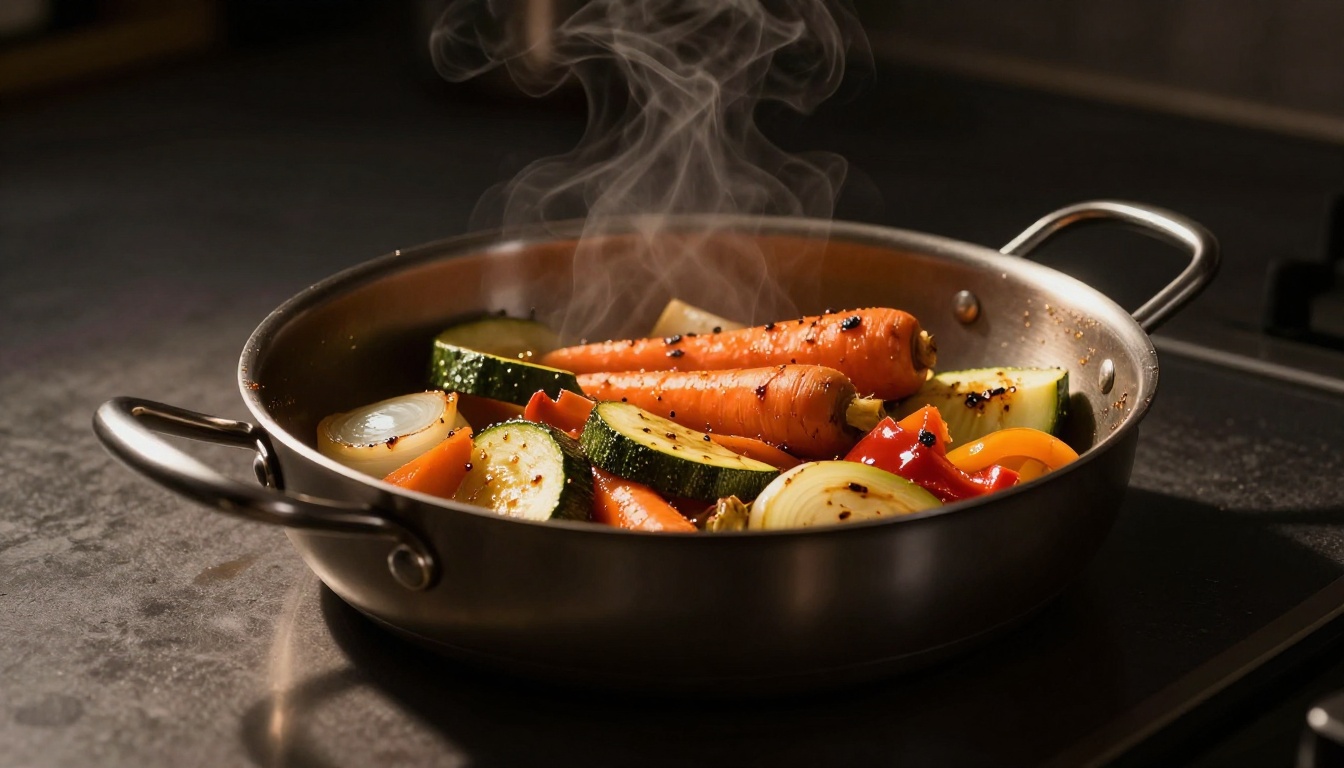
Sautéing sounds simple until the garlic turns black, the zucchini goes limp, and the onions catch before the carrots soften. It’s a fast method, so small mistakes show up fast too.
The good news is that sautéed vegetables don’t need chef tricks. They need the right pan, steady heat, dry prep, and better timing. Once you get that rhythm, you’ll get vegetables that are browned, tender-crisp, and full of flavor instead of scorched or soggy.
Set yourself up for success before the vegetables hit the pan
Burnt vegetables usually start with bad setup, not bad cooking. If the pan is too small, the oil is wrong, or the vegetables are wet, the odds go south before the first stir.
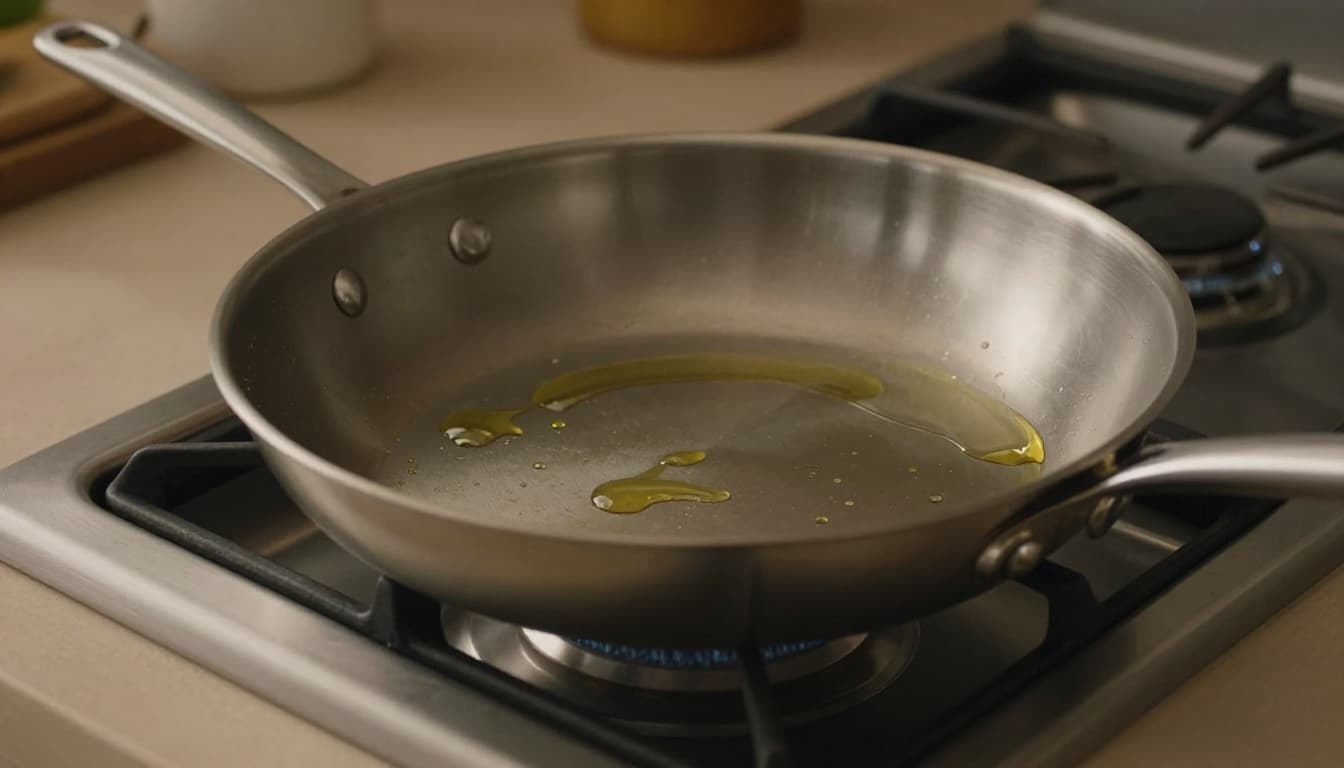
For sautéing, use a wide 10 to 12-inch skillet or sauté pan with a flat bottom. That wide surface gives the vegetables room to sit in one layer. More contact with the pan means better browning and less steaming. Stainless steel is a strong choice because it heats evenly and gives good color. Nonstick works too, especially if you use less fat, but it won’t brown quite the same. If you want a deeper look at pan shape and why sauté pans work so well, this sauté pan guide from Bon Appétit gives useful context.
Most home cooks burn vegetables because they think sautéing means blasting the burner. It doesn’t. Medium-high is usually enough, and on many stoves that lands around a pan surface temp near 350°F. Recent 2026 cooking advice also leans toward starting on medium, then nudging the heat up only if needed. Preheat the empty pan first, then add oil. When the oil looks fluid and shimmery, the pan is ready. If it smokes right away, it’s too hot.
Choose a wide pan and the right oil for higher heat
Oil matters more than many people think. A low smoke point oil can go bitter before the vegetables even cook through.
Good choices include avocado, canola, and safflower oil. Olive oil can work too, especially over medium to medium-high heat, but it needs more attention. If you want a quick reference, this 2026 smoke point chart shows how common oils compare.
Butter alone burns fast because the milk solids brown quickly. That can be great for flavor, but not as your starting fat for sautéing vegetables. A better move is to heat oil first, then add a small knob of butter near the end if you want richness.
Dry, even-cut vegetables cook more evenly
A pan can’t rescue sloppy prep. If one carrot piece is thick and another is thin, they won’t finish together. One stays raw while the other starts to burn.
Cut vegetables into similar sizes so they cook at the same speed. Keep the shapes practical. Thin slices cook fast, thicker chunks need more time, and small florets brown better than huge ones.
Just as important, dry the vegetables well. Extra water turns sautéing into steaming. That means pale surfaces, slow cooking, splatter, and then sudden dark spots once the moisture finally cooks off. Pat washed vegetables dry with a towel before they go anywhere near the pan.
If vegetables hiss softly, you’re in good shape. If they spit wildly and release puddles, they were too wet.
Control heat and timing so vegetables brown instead of burn
Good browning and burning are close cousins, but they don’t look or taste the same. Browning is golden and nutty. Burning is dark, bitter, and harsh.
Start with a hot pan, but don’t leave the burner at maximum unless you know your stove runs cool. Once the vegetables hit the pan, watch what happens in the first minute. If the oil smokes, or the edges darken before the centers soften, lower the heat. You can even pull the pan off the burner for 15 to 30 seconds to calm things down.
The goal is steady heat, not wild heat. Vegetables need enough contact with the pan to color, but not so much that they char before they cook through. That balance is why medium to medium-high works for most cooks. High heat can help later for a quick finish, but it’s rarely the right starting point.
Cook the longest-cooking vegetables first
Mixed vegetables burn when everything goes in at once. Soft vegetables cook quickly, while firm ones need time. So, build the pan in stages.
This simple order keeps things on track:
| Add first to last | Examples | Rough sauté time |
|---|---|---|
| Firm vegetables | Carrots, onions | 8 to 12 minutes |
| Mid-firm vegetables | Bell peppers, cauliflower | 6 to 10 minutes |
| Faster vegetables | Broccoli, asparagus | 4 to 8 minutes |
| Tender vegetables | Mushrooms, zucchini | 4 to 6 minutes |
| Quick finish items | Leafy greens, peas, garlic | 30 seconds to 3 minutes |
That order matters. Garlic is the classic mistake because it smells great right away, so people add it first. Then it burns while everything else is still raw.
Stir often, but not nonstop
A sauté isn’t a race between your spoon and the pan. If you never move the vegetables, they can scorch in patches. If you stir every second, they won’t brown.
Give them time to sit. Then toss or stir every 30 to 60 seconds, depending on the vegetable and the heat. Mushrooms and zucchini need some stillness to color. Onions and peppers can handle a little more movement. Keep an eye on the pan, not the clock.
For a broader look at common sauté slipups, this mistakes everyone makes when sautéing article lines up with what many home cooks run into.
Use the right sauté method when cooking one vegetable or a mixed batch
Technique is what turns good setup into good results. Once the pan is hot and the vegetables are ready, the rule is simple: don’t crowd the pan.
Vegetables should sit in a single layer with a little breathing room. Hot air needs to move around them, and the pan needs direct contact with the food. When the pan gets crowded, moisture gets trapped. First the vegetables steam. Then, once the water finally cooks off, a few pieces may burn while the rest stay pale.
If you’re cooking a lot, do it in batches. This feels slower, but it’s often faster than trying to rescue a wet, crowded pan. Cook one batch, move it to a plate, then finish the next. Combine everything at the end for seasoning.
How to sauté one type of vegetable without overcooking it
This broad method works for most vegetables:
- Heat a wide pan over medium to medium-high heat.
- Add enough oil to lightly coat the bottom.
- Add the vegetable in one layer.
- Let it sit briefly, then stir every 30 to 60 seconds.
- Season lightly with salt, then finish when it’s browned and still has some bite.
Here’s how that plays out. Zucchini cooks fast and needs space, or it turns mushy. Mushrooms need a hot pan and patience because they release water first. Broccoli often does best in smaller florets so the stems soften before the tops darken too much. Onions can take a little longer and reward you with sweeter flavor as they brown.
If you want more detail on choosing oil for this kind of higher-heat cooking, this high-heat oil guide is a useful companion.
How to sauté mixed vegetables in stages
Mixed vegetables work best when you think of the pan like a relay race. One group starts, the next joins, and the last few ingredients sprint to the finish.
Begin with the firm vegetables, such as carrots and onions. Give them a head start. Then add peppers or cauliflower. After that, bring in broccoli or asparagus. Mushrooms and zucchini come later because they soften fast. Leafy greens, peas, and garlic go in near the end.
That staged method keeps the texture balanced. You avoid the all-too-common result where the zucchini is limp, the garlic is bitter, and the carrots are still hard.
When in doubt, add tender vegetables later than you think you should.
Fix the most common mistakes that lead to burnt vegetables
Most burnt vegetable problems come from a short list of habits. The fix is usually simple once you know what to spot.
Overcrowding is the biggest one. A packed pan traps steam, then causes uneven browning later. Wet vegetables cause the same problem. Another issue is heat that’s too high from the start. People often think more flame means more control, but it usually means less. Using the wrong oil can also push a pan into smoke fast. And then there’s garlic, which burns in a flash if it goes in early.
Pulling vegetables too late matters too. A pan stays hot after the burner goes down, and vegetables keep cooking for a minute or two after you plate them. If you wait until they’re fully soft in the pan, they’ll likely go too far.
What to do if the pan is too hot or the oil starts smoking
Act fast, but keep it simple. Lower the heat right away. If needed, slide the pan off the burner for a few seconds. Don’t add more garlic, spices, or delicate vegetables while the oil is smoking, because they can burn almost on contact.
If the oil smells acrid or looks hazy and harsh, it’s better to wipe out the pan and start over than to build a bitter dish. Also, don’t splash water into hot oil. That creates a mess and can be unsafe.
How to tell when sautéed vegetables are done
Tender-crisp means the vegetables are cooked through but still have a little bite. They should look brighter, not dull. The edges should show light browning, not black patches. A fork should go in with slight resistance.
Seasoning often works best near the end. Black pepper, herbs, lemon juice, and garlic all shine more when they aren’t cooked to death. Salt can go in earlier in small amounts, because it helps draw out moisture and season the vegetables as they cook.
Burnt vegetables aren’t a mystery. They’re usually a sign that one of three things went wrong: too much heat, too much moisture, or too little space.
Get those three under control, and sautéing becomes one of the fastest, easiest ways to cook. Use a wide hot pan, choose the right oil, keep the vegetables dry and evenly cut, add them in stages, and stop at tender-crisp.
Next time you cook, treat the pan like a conversation instead of a fight. Once you learn the rhythm of heat, space, and timing, great sautéed vegetables come together in minutes.